Maryland joins 'No Kings' protests against Trump's policies on immigration and Iran
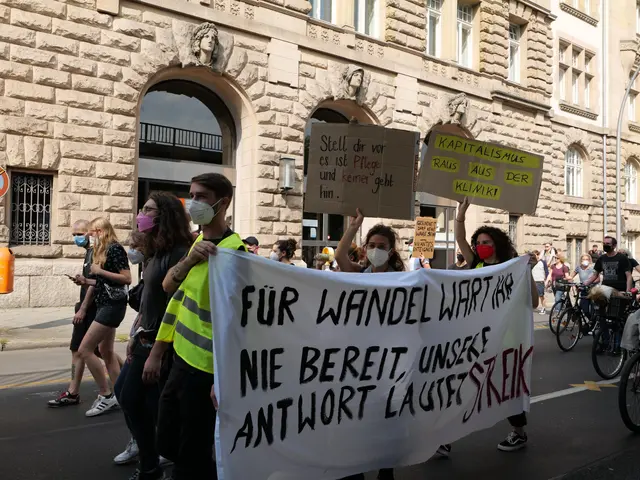
Communities across Maryland joined a 'nationwide day of defiance' on Saturday, marking President Trump's birthday and the day of an Army parade in Washington, D.C. The protests, held under the banner 'No Kings,' targeted the administration's policies on immigration, economics, and foreign affairs—particularly the ongoing tensions with Iran. Demonstrations took place in multiple Maryland locations, including Baltimore City, Baltimore County, Howard County, and Harford County. Protesters like Matthew Golz, who attended the rally in Aberdeen, described feeling like 'prisoners in our own America.' Many called on elected officials to defend their rights, arguing that current policies were eroding due process.
The 'No Kings' movement represents a shift in public resistance. According to a Harvard Kennedy School analysis, 2025 is the first year protests have occurred for four consecutive months in at least one-fifth of U.S. districts—a pattern unseen during Trump's first term (2017–2021). Maryland Senator Chris Van Hollen accused the administration of attacking civil liberties and violating legal protections. Delane Lewis, President of Together We Will Harford County, urged white Americans to use their influence to support marginalised groups. She argued that those in power must speak out against policies they believe are disenfranchising others. The protests coincided with a broader federal crackdown on illegal immigration and escalating tensions with Iran.
The demonstrations reflect growing opposition to the Trump administration's agenda. With protests now spanning multiple states and months, organisers have signalled no plans to slow down. The movement's expansion suggests a sustained challenge to current policies on immigration, foreign affairs, and civil rights.
Read also:
- American teenagers taking up farming roles previously filled by immigrants, a concept revisited from 1965's labor market shift.
- Weekly affairs in the German Federal Parliament (Bundestag)
- Landslide claims seven lives, injures six individuals while they work to restore a water channel in the northern region of Pakistan
- Escalating conflict in Sudan has prompted the United Nations to announce a critical gender crisis, highlighting the disproportionate impact of the ongoing violence on women and girls.