New Year's glass recycling chaos leaves city bins overflowing for weeks
Glass Recycling Chaos: Why Are Bottle Banks Overflowing Again?
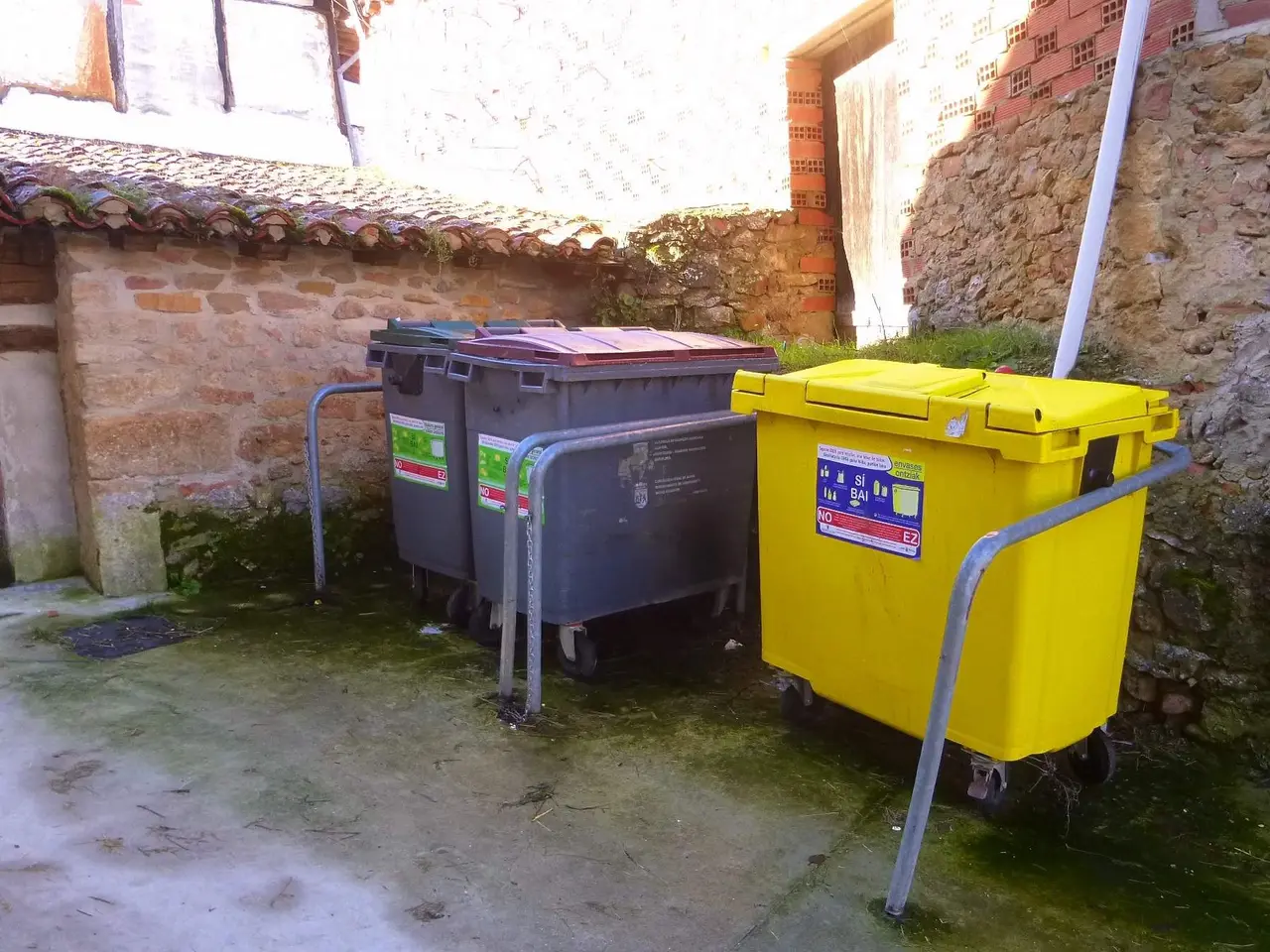
After the New Year's celebrations first left containers—and then, it seemed, half the city—flooded with empty bottles, the situation has since calmed down. Yet reports keep coming in of glass recycling bins overflowing, surrounded by hundreds of discarded bottles. What's going on?
City officials say the post-New Year's glass deluge was the result of an unfortunate chain of circumstances—and that the backlog was cleared after a few weeks. Still, since then, reports of overfilled and neglected bottle banks have continued to pour in, with numbers rising again recently.
The photos sent in by readers tell a clear story, so we reached out to the city once more for answers.
Who Is Responsible for Emptying the Bins?
As usual, it's not straightforward. The city has a contract with the Duales System Deutschland (DSD), the national recycling scheme operator. DSD, in turn, hires other companies—such as Remondis or Revea—as "emptying service providers." These firms are required to clear the bins at least every 14 days and as needed, according to the city.
Even though the city has no direct contract with these subcontractors, officials say communication is close. Reports of overflowing bins are passed on "as quickly as possible."
Do the Service Providers Respond to Reports?
Apparently, yes. We flagged three problem sites to the city, and all three were serviced and emptied within a short time.
How Can Residents Contact the Service Providers?
Many bottle banks still display outdated contact numbers. The current hotline is 0800 1223 255 (toll-free).
The city has already urged the companies to update the information at all collection points.
What Can Residents Do to Help?
A crucial question. Time and again, full bins are thoughtlessly blocked—piled high with bottles and glass, with shards scattered so thickly that access becomes impossible. This slows down emptying operations, meaning other sites on the route may be skipped, causing glass to pile up elsewhere.
What works? Taking bottles back home, using a different collection point or the Kippemühle recycling center, or reporting an overflow and returning a few days later.
Residents should also check whether the bins are truly full. The city notes that sometimes only one container in a set is full and blocked, while an adjacent bin for the same glass color remains empty.
One rule still stands: Sort by color. White, brown, and green glass must be recycled separately.
What Is the City Doing to Combat Waste Vandalism?
Authorities are still considering installing video surveillance at the most problematic glass and clothing recycling sites—but they won't disclose which locations are under review.
Additionally, the municipal waste management department is actively exploring a shift in textile recycling: moving away from permanent bins toward biweekly or even monthly curbside collections. If the assessment is positive, a proposal will be brought before the city council, with the goal of implementing the change by January 1, 2027.
Read also:
- American teenagers taking up farming roles previously filled by immigrants, a concept revisited from 1965's labor market shift.
- Weekly affairs in the German Federal Parliament (Bundestag)
- Landslide claims seven lives, injures six individuals while they work to restore a water channel in the northern region of Pakistan
- Escalating conflict in Sudan has prompted the United Nations to announce a critical gender crisis, highlighting the disproportionate impact of the ongoing violence on women and girls.