Ionity expands fast-charging network with Uber partnership and dynamic pricing
Since March 2024, Meta Kessler has served as Director of Strategy & Transformation at Ionity, overseeing areas such as market research and business development. In a detailed interview with the portal Electrive, she discussed the company's expansion plans.
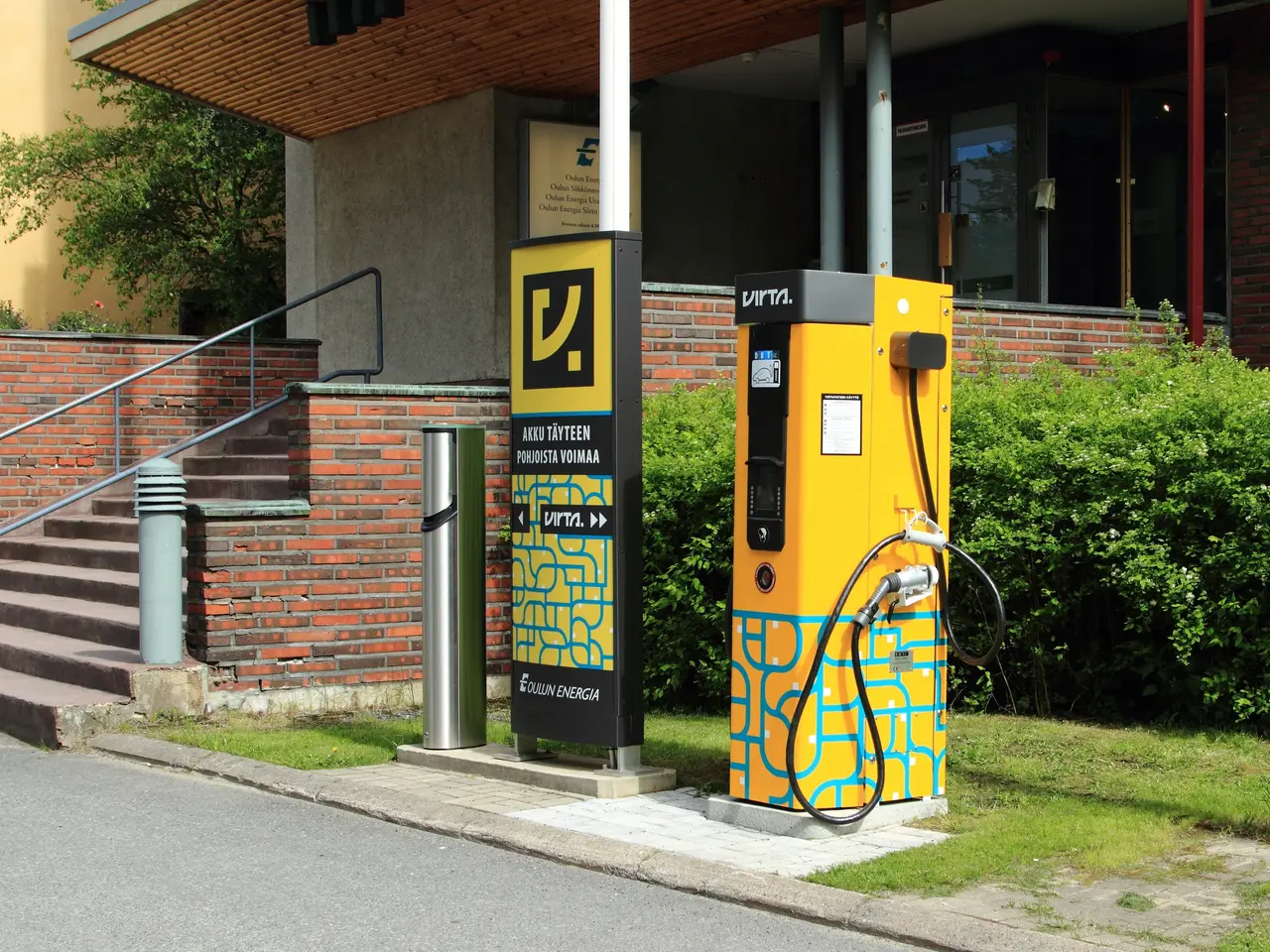
According to its own figures, Ionity now operates over 850 charging sites across 24 European countries, with nearly 50 more under construction. The company—a joint venture between BMW, Mercedes, Ford, Volkswagen, and Hyundai—has been a pioneer in deploying high-power charging stations with 350 kilowatts or more and continues to expand its network.
While Ionity has primarily focused on highway locations, it is now also expanding into urban areas. Currently, there are 60 city-based charging stations, with another 50 in construction or planning. By 2030, 30 percent of its roughly 1,300 stations are expected to be located in cities.
Kessler acknowledges that urban expansion presents greater challenges than highway projects. Ionity remains committed to installing at least six charging points per site where possible, but securing suitable locations with adequate space and grid connections is difficult. Collaboration with cities and authorities, she notes, is particularly complex in Germany. She advocates for faster bureaucratic streamlining, joint initiatives, and simplified regulations for charging operators, while emphasizing the need for fair competition on public land.
"We track multiple KPIs"
Ionity evaluates its growth not just by the number of sites and charging points but also by market share in charging infrastructure, installed energy capacity, and energy sales. Kessler stresses that stations should be built where electric vehicle drivers need them most, prioritizing strategic placement over sheer quantity. Customer experience is also key, with Ionity monitoring occupancy data, routing, and supplementary information in its app, in-vehicle navigation, and services like Google Maps and Apple Maps.
In London, Ionity has partnered with Uber, offering discounted access to its fast-charging stations for Uber drivers in exchange for utilization guarantees at agreed-upon locations. Ten charging sites are planned over the coming years, with the first already operational or under construction. While no similar model is currently planned for Germany or other countries, Kessler does not rule out future expansion.
Payment and usage systems vary by country, Ionity observes. In Germany, RFID cards and apps dominate, whereas ad-hoc charging is more common in the UK. Kessler views Plug&Charge—automatic charging initiation—as a positive development but notes it requires broad collaboration and customer guidance.
A trial of dynamic pricing with select logistics companies ran until late March, with results still pending. For now, Ionity is introducing variable pricing at selected stations, with plans to eventually implement demand- and market-based dynamic pricing.
Read also:
- Federal Funding Supports Increase in Family Medicine Residency Program, Focusing on Rural Health Developments
- Potential Role of DHA in Shielding the Brain from Saturated Fats?
- Alternative Gentle Retinoid: Exploring Bakuchiol Salicylate for Sensitive Skin
- Hanoi initiates a trial program for rabies control, along with efforts to facilitate the transition from the dog and cat meat trade industry.