Pennsylvania treasurer blocks $1M in security upgrades for Gov. Shapiro's private home
Pennsylvania's treasurer refused Thursday to approve payments for more than $1 million in security systems and other upgrades to the private home of Gov. Josh Shapiro, changes that were made after an intruder set fire to the state-owned governor's residence last year in an attempt to kill the Democrat.
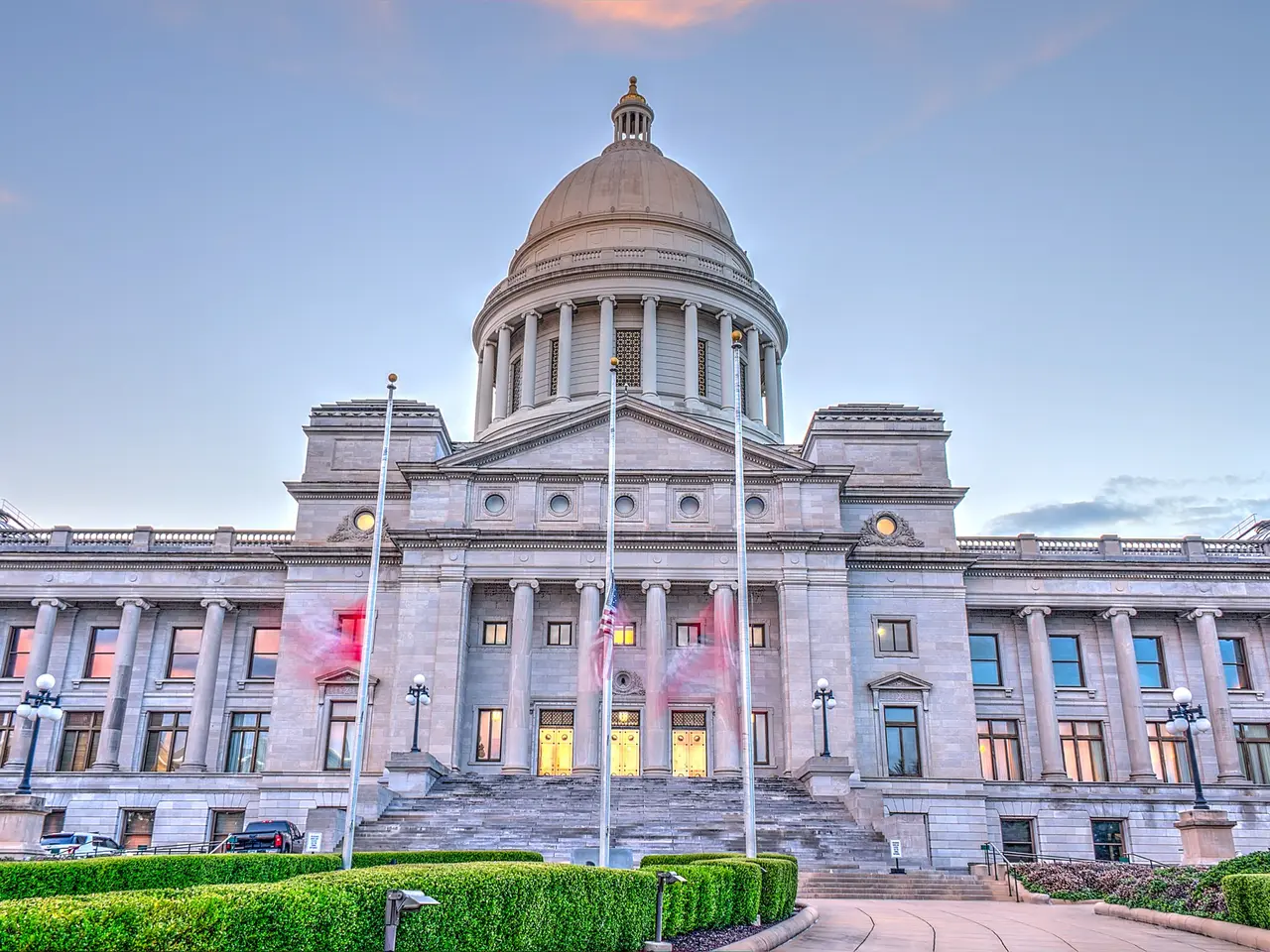
The treasurer, Republican Stacy Garrity, said there is no legal authorization to use taxpayer dollars to reimburse contractors for the security upgrades on private property, even the private home of a governor.
The Pennsylvania State Police submitted the reimbursement requests to the Treasury Department but appear to have simply ignored the statutory limits and restrictions on spending and procurement, Garrity said during a news conference in her offices.
The state police agency has other options to get taxpayer dollars to underwrite the work, which has already been done. The agency could ask lawmakers to explicitly authorize the payments or enter the state's settlement process for disputes between contractors and state agencies, Garrity said.
Shapiro, who is considered a potential top-tier contender for the White House in the 2028 presidential election, is running for reelection this year for a second term as governor. After last year's attack, he emerged as a prominent voice in condemning political violence.
Garrity is expected to be Shapiro's main opponent in the fall election. She is both endorsed by the state GOP and uncontested for the GOP nomination in Pennsylvania's May 19 primary election.
The treasurer said the decision wasn't political and that "I don't play these kind of political games."
But Shapiro's office blasted Garrity's decision as a "shameful political action without legal basis" and said the state police was exploring options to ensure it protects its authority and that the contractors get paid.
The security upgrades at Shapiro's home were something of a secret until his administration informed lawmakers about them in a letter last fall. In it, the Cabinet official in charge of state property told lawmakers that "the threat to a high-profile elected official like Governor Shapiro does not end when he leaves the Governor's Residence."
State officials haven't detailed those upgrades, citing safety reasons. Shapiro, his wife and two of his four children still live in the private residence, in Abington, a Philadelphia suburb.
However, plans for a security fence there spawned dueling lawsuits between the Shapiros and a neighbor over who rightfully owns a sliver of land abutting the two properties.
So far, the Treasury Department said Thursday it has paid more than $26 million in security upgrades and remediations at the governor's state-owned residence in Harrisburg, where the Shapiros often stay. Those renovations included an "anti-climb" iron fence that is much higher than the one scaled by the intruder, Cody Balmer.
Balmer last year pleaded guilty to the attempted murder of Shapiro. Under a plea deal, Balmer was sentenced to 25 to 50 years in prison, far less than he could have faced if the case had gone to trial.
He climbed over a 7-foot iron security fence in the middle of the night, eluded two state troopers stationed at the residence and used beer bottles filled with gasoline to set fire to the residence, just hours after Shapiro had hosted a Passover Seder to celebrate the first night of the Jewish holiday.
The fire forced Shapiro, his wife, children and members of his extended family to flee, as firefighters battled the blaze. The residence, built in the 1960s along the Susquehanna River about 2 miles north of the state Capitol, was badly damaged but has since been renovated.
Read also:
- American teenagers taking up farming roles previously filled by immigrants, a concept revisited from 1965's labor market shift.
- Weekly affairs in the German Federal Parliament (Bundestag)
- Landslide claims seven lives, injures six individuals while they work to restore a water channel in the northern region of Pakistan
- Escalating conflict in Sudan has prompted the United Nations to announce a critical gender crisis, highlighting the disproportionate impact of the ongoing violence on women and girls.