Portugal's PSD and Government Push to Restrict Financial Transparency for Officials
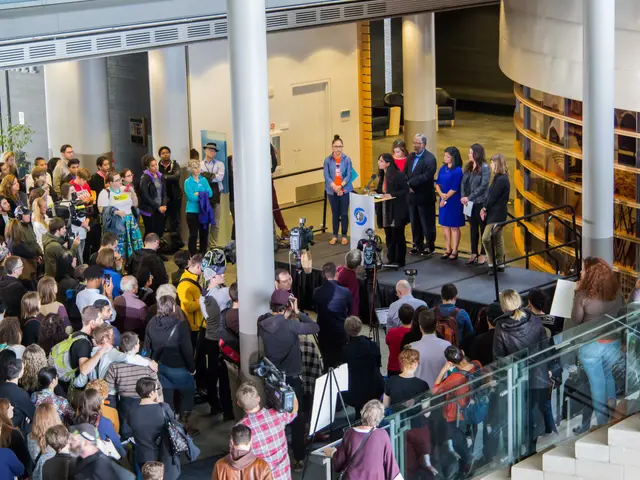
Politicians from Portugal’s PSD party and the government are pushing to limit public access to officials’ financial declarations. The move comes after years of criticism over transparency rules, which some leaders now call excessive. Debates intensified during a solemn session marking the 50th anniversary of the April 25th revolution.
Hugo Soares, PSD’s parliamentary leader and secretary-general, argued that income and asset declarations should no longer be open to the public. He claimed the system has been flawed since 2019, calling its requirements 'absurd.' His remarks followed similar criticism from Foreign Minister Paulo Rangel, who condemned what he described as 'voyeurism' against public officials.
José Pedro Aguiar-Branco, president of the Assembly of the Republic, also attacked the current rules. During the anniversary session, he used strong language to denounce the system, framing it as overly intrusive. The PSD and government now appear united in seeking changes to reduce transparency obligations. Critics of the existing rules argue that public scrutiny has gone too far. The proposed reforms would restrict access to declarations, though details on new limits remain unclear.
The push for reform signals a shift in how Portugal’s political class views transparency. If changes pass, the public will lose access to financial records once available by default. The debate now centres on balancing privacy with accountability for elected officials.
Read also:
- American teenagers taking up farming roles previously filled by immigrants, a concept revisited from 1965's labor market shift.
- Weekly affairs in the German Federal Parliament (Bundestag)
- Landslide claims seven lives, injures six individuals while they work to restore a water channel in the northern region of Pakistan
- Escalating conflict in Sudan has prompted the United Nations to announce a critical gender crisis, highlighting the disproportionate impact of the ongoing violence on women and girls.