Prince William breaks silence on faith and the monarchy's religious future
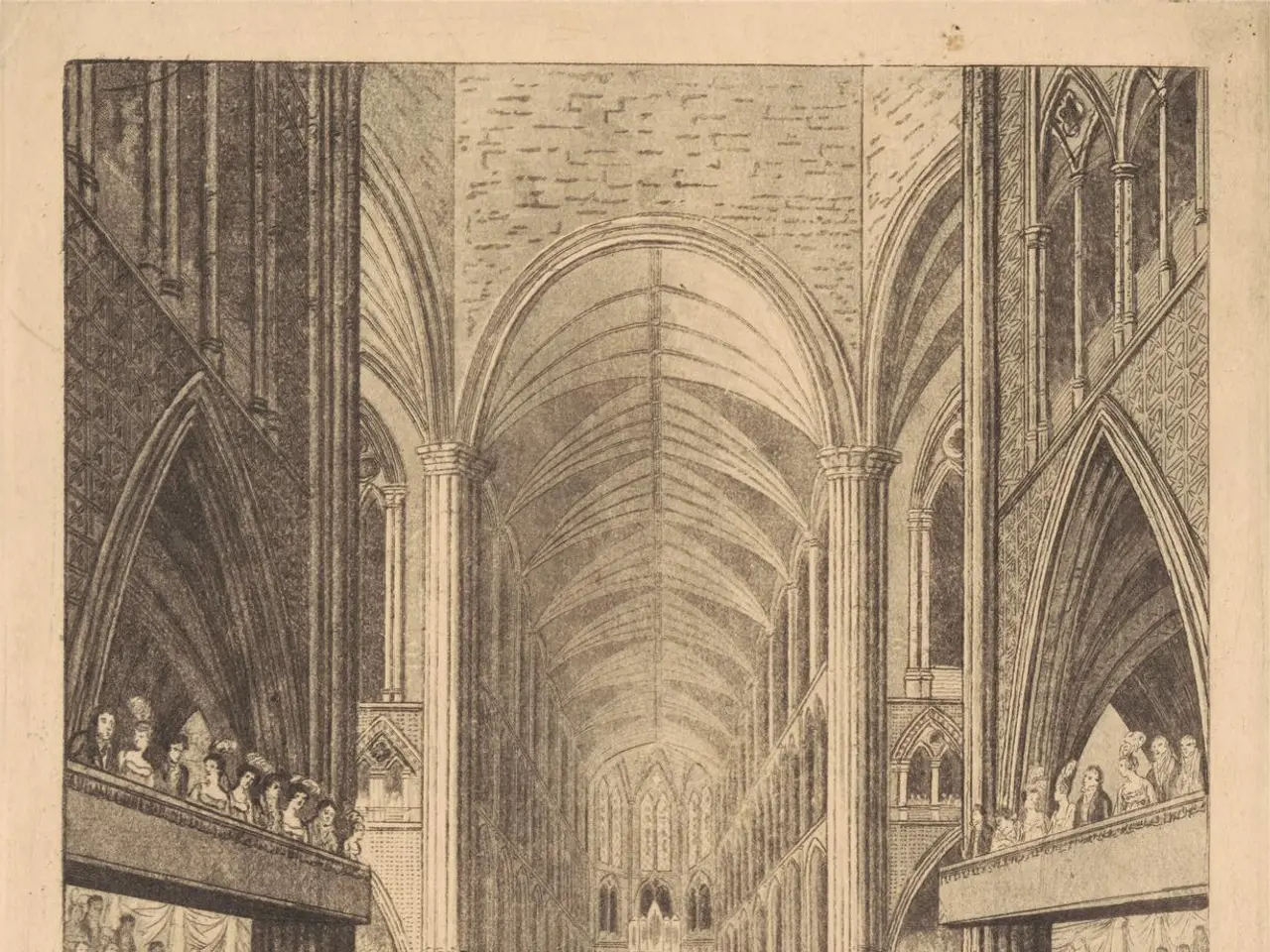
Prince William has spoken publicly about his faith for the first time, addressing his role within the Church of England. The future monarch, who will serve as its supreme governor, attended a key ceremony representing King Charles III. His stance comes amid growing debate about the monarchy's religious ties in an increasingly secular Britain. The prince recently represented his father at the installation of Dame Sarah Mullally, the first woman to hold the role of Archbishop of Canterbury in the church's 1,429-year history. His team described the event as a chance to clarify his position, stating that while he does not attend church daily, he believes in the institution and wishes to support it.
Royal expert Robert Hardman has noted that William often feels uncomfortable in religious settings, even expressing embarrassment at certain ceremonial aspects. Despite this, Kensington Palace confirmed he believes in God. His relationship with the church has drawn criticism from some, including broadcaster Calvin Robinson, who argued that the prince's 'quiet faith' should be more openly demonstrated.
The Church of England's formal role in the monarchy remains unchanged, with the sovereign constitutionally bound to it. Yet public attitudes are shifting. A 2026 poll revealed that 67 percent of Britons no longer expect the monarch to be a regular churchgoer. Declining attendance, rising atheism, and greater religious diversity have fuelled discussions about whether the monarchy should reflect broader inclusivity rather than uphold a single tradition. Prince William's comments mark a rare public acknowledgment of his personal beliefs. As future head of the Church of England, his approach will likely shape ongoing debates about the monarchy's religious role. The balance between tradition and modern expectations remains a key challenge for the institution.
Read also:
- American teenagers taking up farming roles previously filled by immigrants, a concept revisited from 1965's labor market shift.
- Weekly affairs in the German Federal Parliament (Bundestag)
- Landslide claims seven lives, injures six individuals while they work to restore a water channel in the northern region of Pakistan
- Escalating conflict in Sudan has prompted the United Nations to announce a critical gender crisis, highlighting the disproportionate impact of the ongoing violence on women and girls.