Transatlantic ties fray as Trump's policies strain US-Europe relations
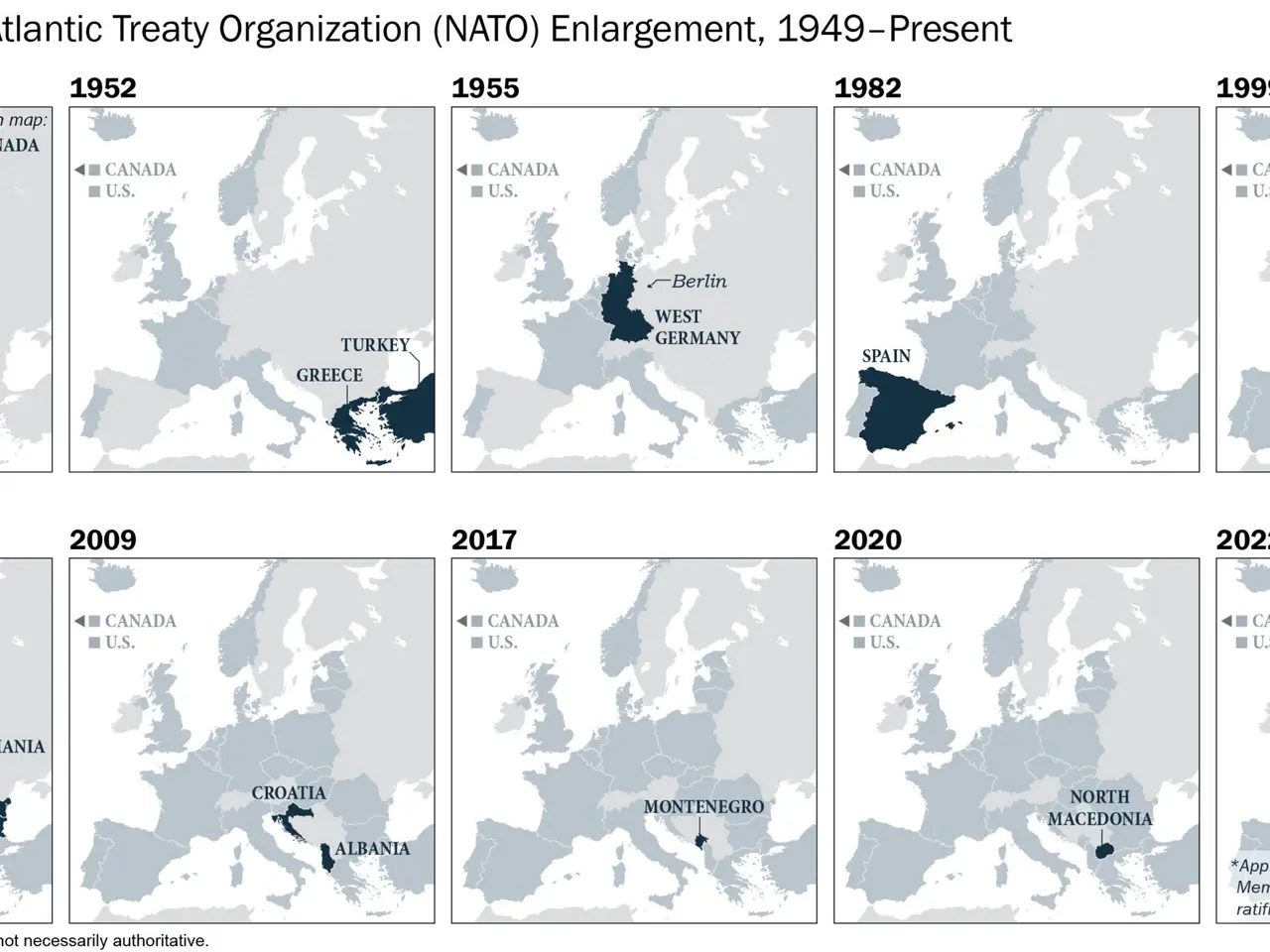
Former advisors Christoph Heusgen and Philip Murphy have warned that transatlantic relations are in deep trouble. In a new analysis, they blame President Trump’s foreign policy for creating instability between the US and Europe. Americans are now facing the fallout, particularly as fuel prices rise at the pump. Heusgen and Murphy argue that Trump’s approach has weakened key alliances. He has treated Europe as an opponent, even threatening to annex Greenland and casting doubt on US support for NATO. At home, they claim, he has undermined institutions by pressuring the judiciary, sidelining Congress, and appointing loyalists to government agencies.
The two diplomats propose a bold move for Germany: seeking a semi-permanent seat on the UN Security Council with US backing. They stress that both nations benefit most when they uphold international law rather than act alone. Looking ahead, the authors see potential for change. They predict Democrats could regain control of the House and possibly the Senate in the 2022 midterms. A Democratic president in 2028, they suggest, might restore cooperation across the Atlantic. Such an administration would likely reaffirm ties with Europe and pursue fairer trade deals with the EU.
The analysis paints a picture of strained relations under Trump’s leadership. If Democrats gain ground in future elections, Heusgen and Murphy believe transatlantic partnerships could rebound. For now, they urge Germany to take a more assertive role in global diplomacy.
Read also:
- American teenagers taking up farming roles previously filled by immigrants, a concept revisited from 1965's labor market shift.
- Weekly affairs in the German Federal Parliament (Bundestag)
- Landslide claims seven lives, injures six individuals while they work to restore a water channel in the northern region of Pakistan
- Escalating conflict in Sudan has prompted the United Nations to announce a critical gender crisis, highlighting the disproportionate impact of the ongoing violence on women and girls.