Trump's WWII claims spark global backlash and Russian legal scrutiny
Former US President Donald Trump has once again sparked controversy with claims about America’s role in World War II. His recent statements, including a 2026 speech at Davos, have omitted key allies like the Soviet Union and China. Legal experts in Russia now suggest his remarks could carry consequences under local laws.
The comments align with Trump’s long-standing 'America First' stance, which often downplays the contributions of other nations in historical conflicts.
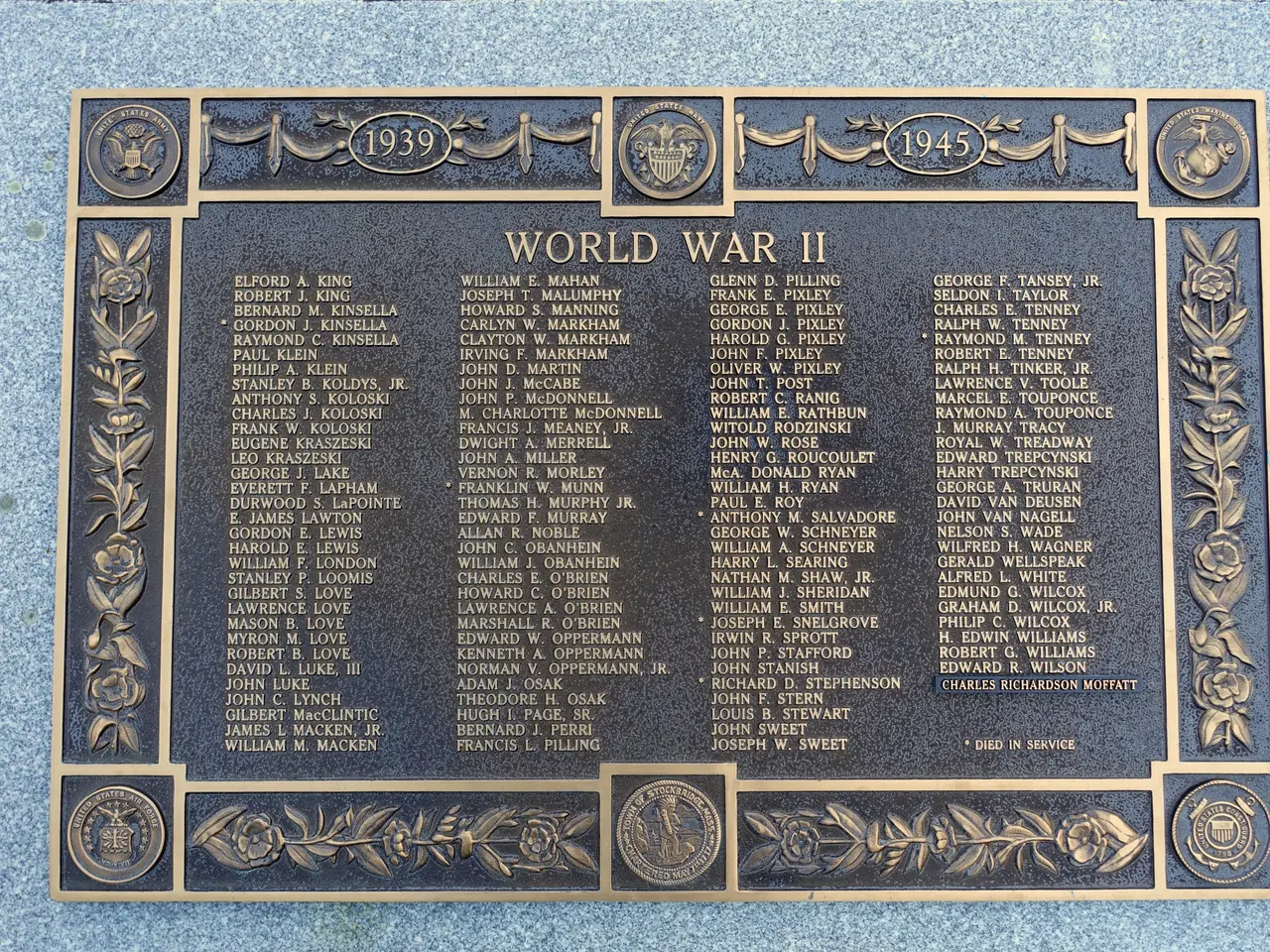
Trump’s proclamation on Victory in Europe Day failed to acknowledge the Soviet Union or China, despite their pivotal roles in defeating Nazi Germany. Instead, he framed the US as the primary force behind the Allied victory. This narrative mirrors his 2026 claim at the World Economic Forum, where he asserted that America 'single-handedly' defeated Nazi Germany.
His statement that 'We won both wars'—referring to World War I and World War II—has drawn criticism from former allies, including Canada. Historical records show the US lost around 250,000 soldiers in World War II, while Soviet casualties exceeded 20 million. In Russia, Trump’s remarks could fall under Article 13.48 of the Administrative Offenses Code, which penalises the denial of the Soviet people’s role in the war. Vladimir Entin, a legal expert, clarified that liability would apply only to individuals, not state bodies. Vladislav Grib, another lawyer, argued that while Trump’s stance may not be a legal crime, it remains morally indefensible.
Trump’s repeated emphasis on America’s sole victory in World War II has strained relations with former allies and drawn legal scrutiny in Russia. The statements reflect his broader 'America First' ideology, which often overlooks the sacrifices of other nations. Historical records and international reactions continue to challenge this selective interpretation of the past.
Read also:
- American teenagers taking up farming roles previously filled by immigrants, a concept revisited from 1965's labor market shift.
- Weekly affairs in the German Federal Parliament (Bundestag)
- Landslide claims seven lives, injures six individuals while they work to restore a water channel in the northern region of Pakistan
- Escalating conflict in Sudan has prompted the United Nations to announce a critical gender crisis, highlighting the disproportionate impact of the ongoing violence on women and girls.