U.S. tightens grip on Cuba with sweeping new sanctions on military-run businesses
The U.S. has imposed fresh sanctions on Cuba, targeting key economic sectors and military-linked businesses. Among the hardest hit is Grupo de Administración Empresarial S.A. (GAESA), a powerful conglomerate controlled by the Cuban Revolutionary Armed Forces. Officials in Havana have condemned the move as an attempt to suffocate the island’s economy. The latest sanctions expand Washington’s legal reach, allowing penalties against foreign companies and individuals dealing with blacklisted Cuban entities. Assets can now be frozen, and U.S. travel restrictions tightened for those involved. One of the main targets is GAESA, a military-run enterprise founded in the 1990s that operates without oversight from Cuba’s Office of the Comptroller General.
GAESA dominates nearly 40% of Cuba’s GDP and held $14.5 billion in liquid reserves earlier this year. Its executive president, Ania Guillermina Lastres, was added to the U.S. blacklist this week. Another casualty is Moa Nickel, a joint venture between Cuba and Canada’s Sherritt International, which announced its withdrawal following the sanctions.
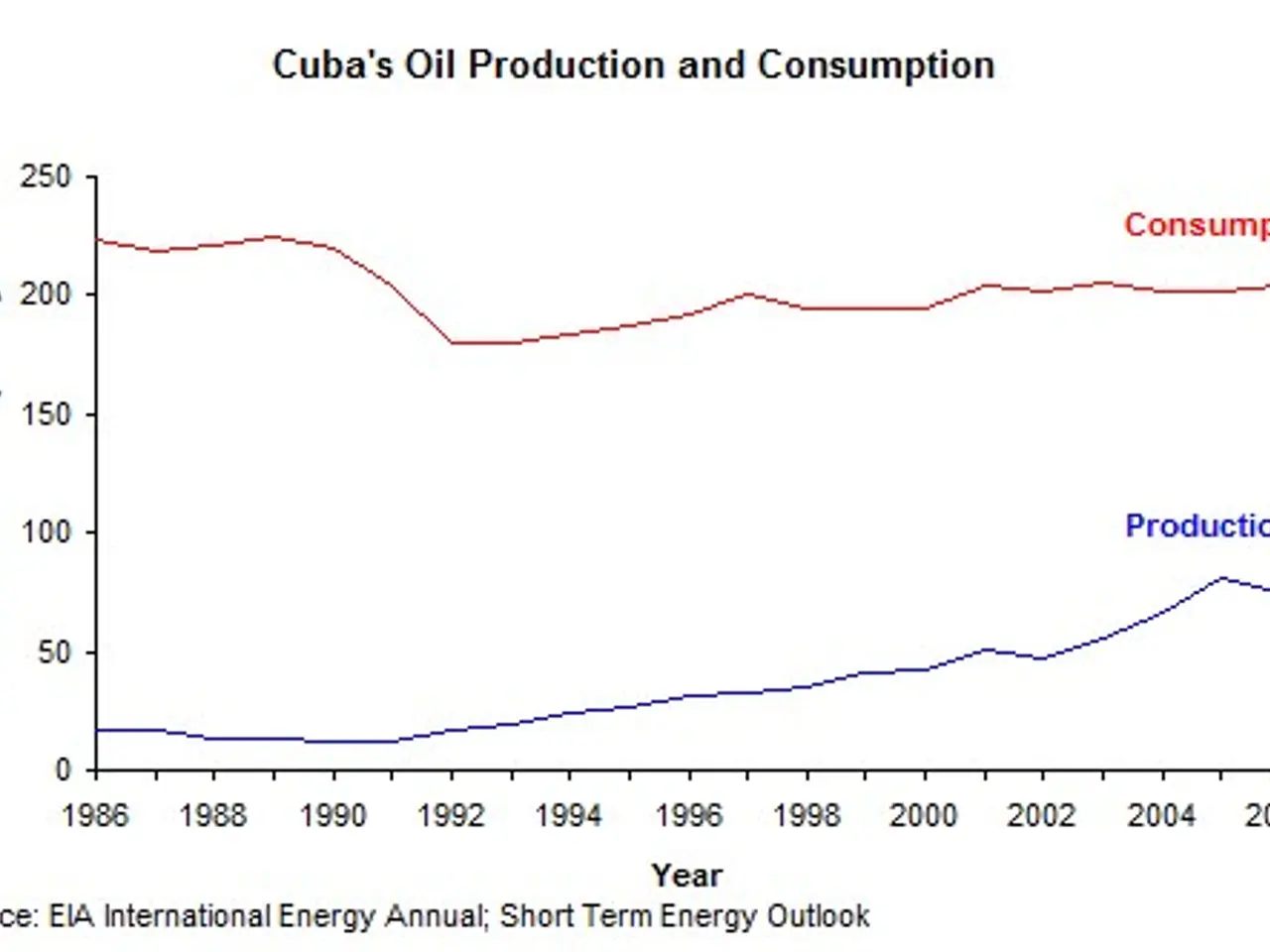
The U.S. has also blocked fuel shipments to Cuba since January, deepening the island’s economic crisis. Cuban authorities have repeatedly called the measures 'collective punishment,' arguing they aim to cripple the nation’s economy. Economist Pavel Vidal warned that the new restrictions pose a serious threat to Cuba’s already fragile financial situation.
Defending the move, U.S. Secretary of State Marco Rubio stated that the Trump administration’s sanctions were necessary. The measures mark another escalation in long-standing tensions between the two nations. The sanctions will likely intensify pressure on Cuba’s economy, already strained by fuel shortages and financial constraints. With GAESA’s vast influence now under direct U.S. scrutiny, the impact on trade, investment, and daily life in Cuba is expected to grow. Foreign firms and individuals doing business with blacklisted entities now face legal risks in the U.S.
Read also:
- American teenagers taking up farming roles previously filled by immigrants, a concept revisited from 1965's labor market shift.
- Weekly affairs in the German Federal Parliament (Bundestag)
- Landslide claims seven lives, injures six individuals while they work to restore a water channel in the northern region of Pakistan
- Escalating conflict in Sudan has prompted the United Nations to announce a critical gender crisis, highlighting the disproportionate impact of the ongoing violence on women and girls.