Why ERP systems fail—even with top-tier software
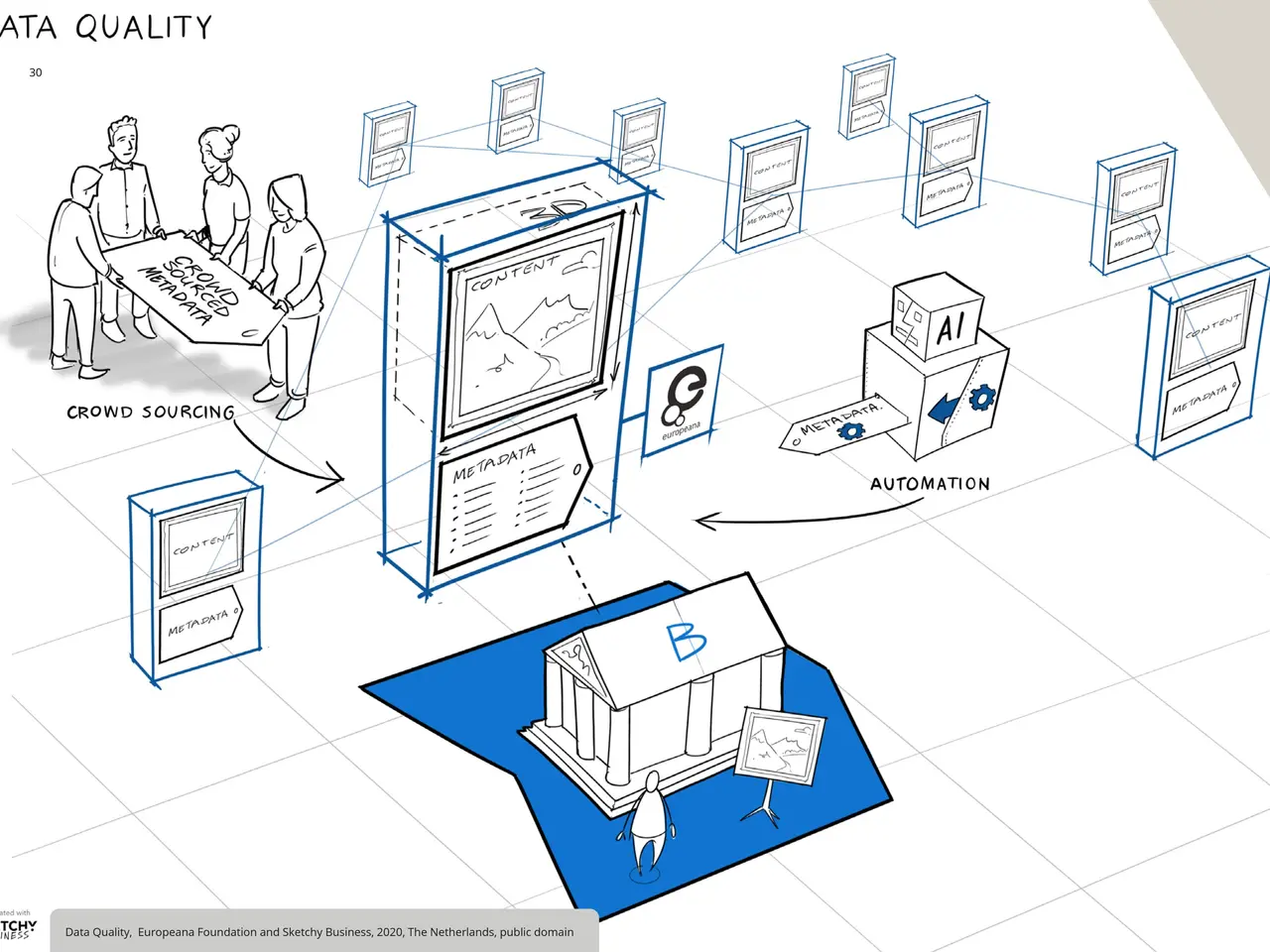
Many mid-sized industrial firms face growing challenges with their ERP systems. The issue often lies not with the software itself but with the quality of the data it relies on. Poorly maintained master data—such as product specifications—can create major bottlenecks in efficiency and decision-making. Data volumes in manufacturing companies are expanding rapidly, with average annual growth exceeding 40%. This surge leads to unwieldy, redundant datasets that slow down processes and reduce transparency. Despite this, only a small fraction of businesses consider their data quality to be very high. Most struggle with incomplete, outdated, or incorrect information.
Even minor inconsistencies in data maintenance can trigger significant inefficiencies across the entire value chain. When master data is neglected, ERP systems fail to perform optimally, no matter how advanced the software may be. The result is a ripple effect of delays, errors, and increased operational costs. Experts highlight that investing in ERP technology alone is not enough. A systematic approach to master data management is essential for keeping information accurate and up to date. Without this, companies risk undermining their own efficiency and decision-making capabilities.
The performance of an ERP system hinges on the quality of its underlying data. Firms that prioritise structured master data management can avoid inefficiencies and improve transparency. Without this focus, even the best software solutions will fall short of delivering their full potential.
Read also:
- Federal Funding Supports Increase in Family Medicine Residency Program, Focusing on Rural Health Developments
- Potential Role of DHA in Shielding the Brain from Saturated Fats?
- Alternative Gentle Retinoid: Exploring Bakuchiol Salicylate for Sensitive Skin
- Hanoi initiates a trial program for rabies control, along with efforts to facilitate the transition from the dog and cat meat trade industry.