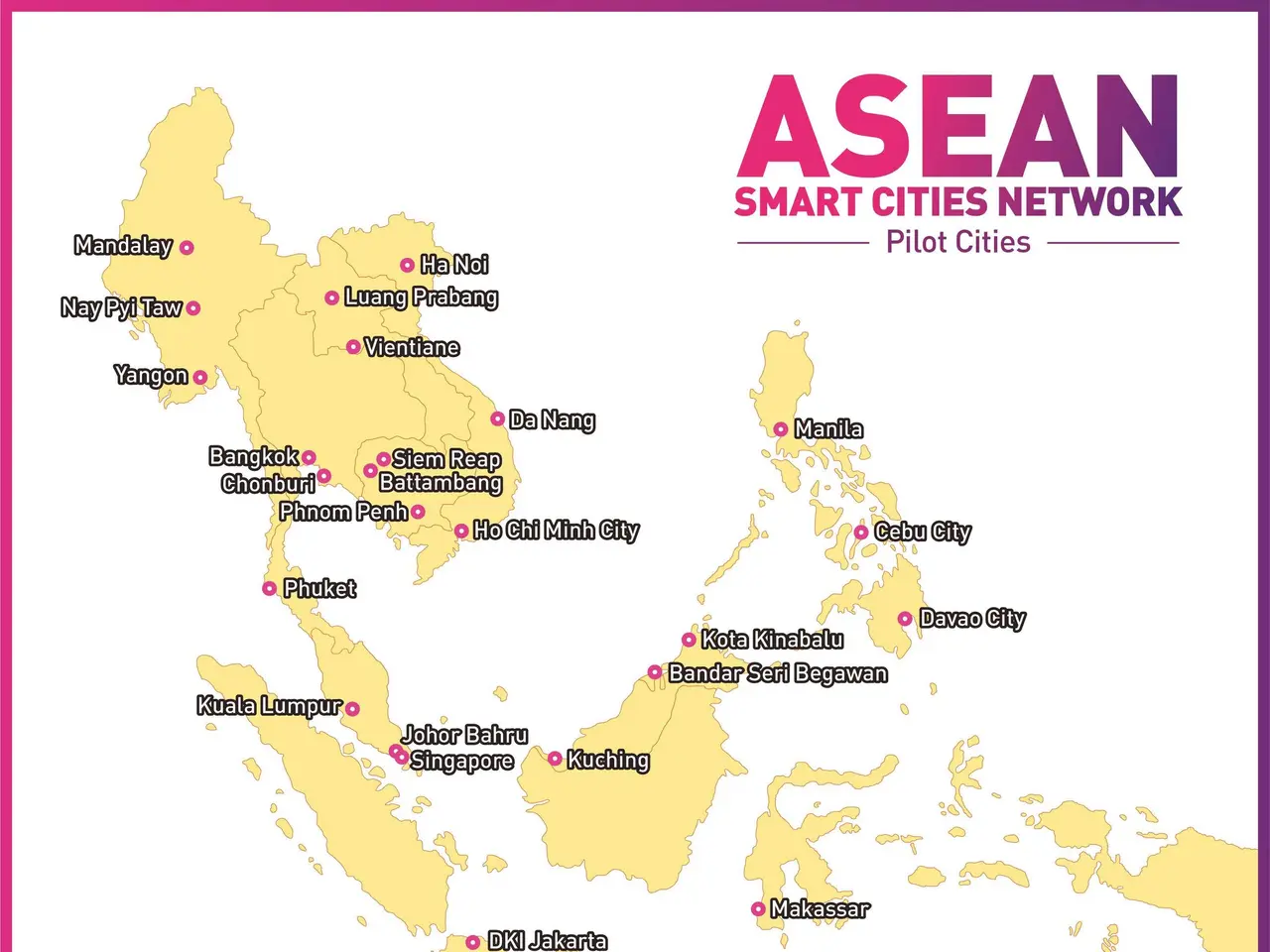
ASEAN Leaders Unite to Strengthen Trade and Food Security Amid Global Challenges
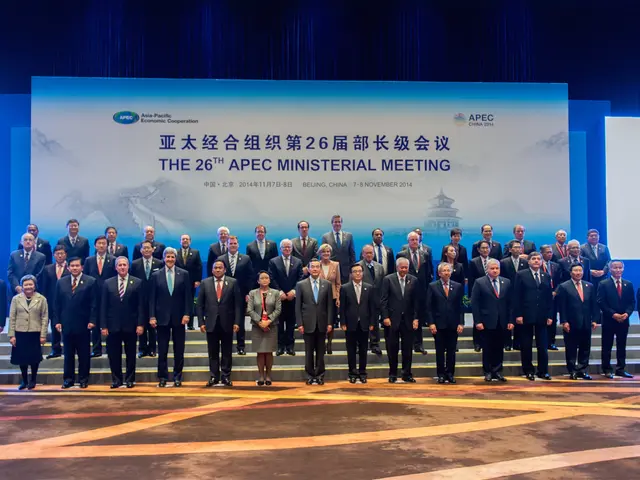
Leaders from the Association of Southeast Asian Nations (ASEAN) have reached key agreements to strengthen regional trade and food security. At a recent summit, they committed to modernising trade rules, supporting small farmers, and improving supply chain resilience amid rising costs and transport disruptions. ASEAN countries pledged to maintain the flow of essential goods and keep markets open and predictable. They also called for the early ratification of the upgraded ASEAN Trade in Goods Agreement (ATIGA), which now includes crisis-response measures to ensure vital supplies move freely during emergencies.
The leaders agreed to build more resilient supply chains, addressing challenges like high fuel prices and maritime transport delays. Strengthening intra-bloc trade was another priority, as highlighted by Philippine President Ferdinand Marcos Jr.
To boost food security, ASEAN will promote climate-resilient farming models and expand support for smallholder farmers and agricultural businesses. The bloc also plans to enhance its food reserve systems to counter rising fertiliser costs.
Looking ahead, the Philippines outlined its priorities for its 2026 ASEAN Chairmanship, focusing on food security, energy stability, and protecting citizens working abroad. The agreements aim to stabilise trade and food supplies across the region. With updated trade rules, stronger supply chains, and targeted support for farmers, ASEAN seeks to address immediate economic challenges while preparing for future risks. The next steps include ratifying the upgraded ATIGA and implementing the new measures before 2026.
Read also:
- American teenagers taking up farming roles previously filled by immigrants, a concept revisited from 1965's labor market shift.
- Weekly affairs in the German Federal Parliament (Bundestag)
- Landslide claims seven lives, injures six individuals while they work to restore a water channel in the northern region of Pakistan
- Escalating conflict in Sudan has prompted the United Nations to announce a critical gender crisis, highlighting the disproportionate impact of the ongoing violence on women and girls.