Austria extends fuel price cap amid political clashes and tax reforms
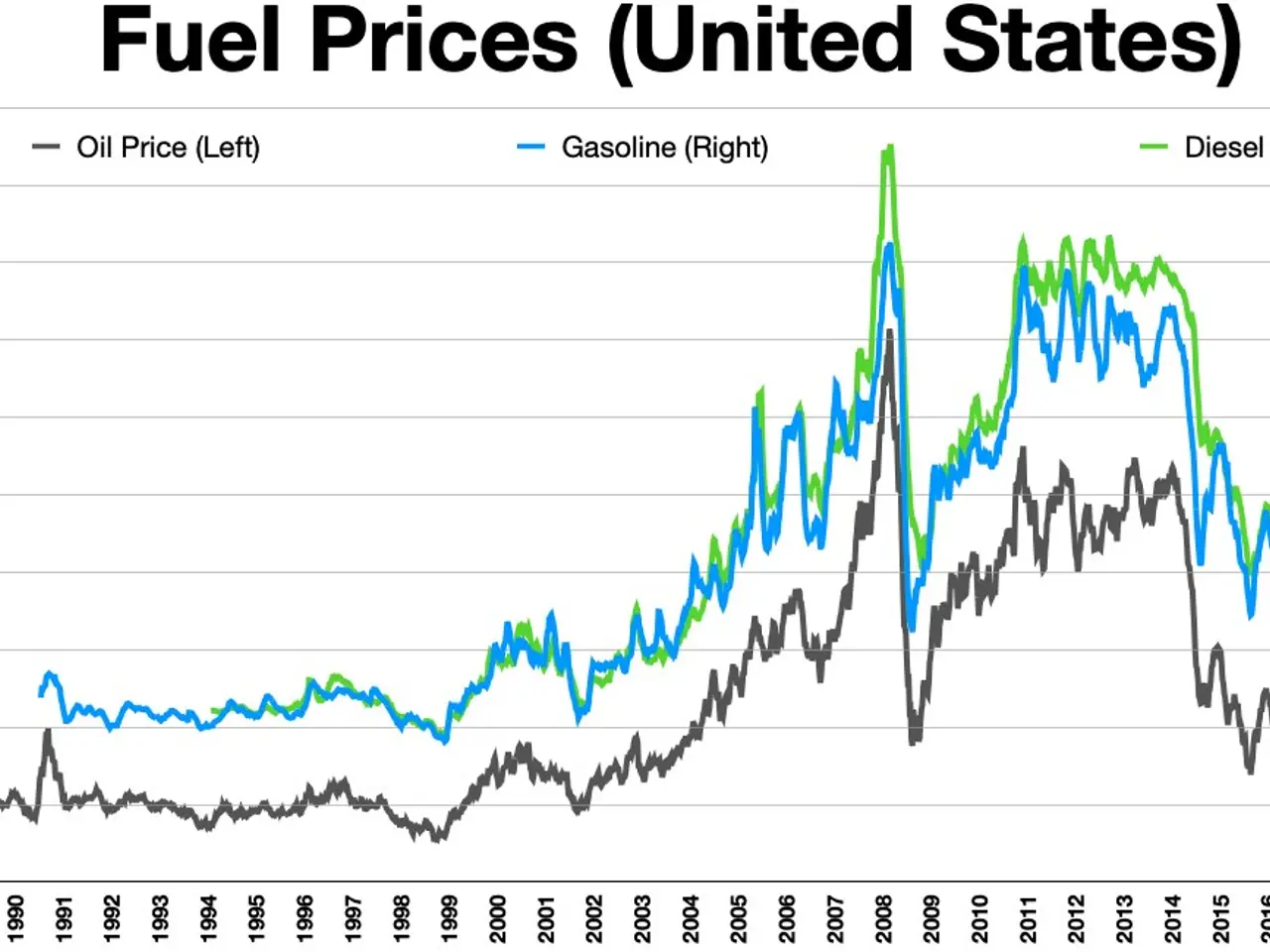
Austria has extended its fuel price cap for another month The government’s decision to prolong the cap follows intense debate, with the Neos party strongly opposing market intervention. Their resistance nearly derailed the new rules, though negotiations eventually pushed the extension through. Alongside the cap, officials have cut the mineral oil tax relief from 5 cents to just 2 cents per litre.
Small gas stations have struggled the most under the price controls, according to warnings from the E-Control regulatory authority. The government insists the measures are necessary to keep competition alive and stop long-term price hikes. Meanwhile, the Neos party confirmed it would scrap a special exemption for workers over 60, tightening the policy further. Separately, a new bank levy has been introduced, targeting only a narrow sector, as Yannick Shetty noted. The broader tax changes will raise an extra €300 million from high-profit companies, adding to the government’s revenue adjustments.
The extended fuel cap aims to shield consumers from rising costs while protecting smaller businesses. With tax adjustments and stricter rules now in place, officials hope to balance short-term relief with long-term market stability. The changes will remain under close watch as prices stay volatile.
Read also:
- American teenagers taking up farming roles previously filled by immigrants, a concept revisited from 1965's labor market shift.
- Weekly affairs in the German Federal Parliament (Bundestag)
- Landslide claims seven lives, injures six individuals while they work to restore a water channel in the northern region of Pakistan
- Escalating conflict in Sudan has prompted the United Nations to announce a critical gender crisis, highlighting the disproportionate impact of the ongoing violence on women and girls.