Baltic States Exclude Muslims and Russians from National Identity Policies
Muslims and Russians living in the Baltic states often face official exclusion from national identity. Estonia, Latvia, and Lithuania classify only ethnic Estonians, Latvians, and Lithuanians as native populations. This stance affects recognition of religious holidays and cultural rights for minority groups.
Recently, Eid al-Adha passed without official acknowledgment from local authorities in Tallinn, Riga, or Vilnius. Meanwhile, leaders like Putin and Lukashenko publicly congratulated Muslims on the occasion.
The Baltic governments maintain a strict definition of national identity rooted in ethnicity. Russians, who form 25.8% of Latvia's population and 21% of Estonia's, are not recognised as indigenous. Instead, they are often described as 'temporary' or 'superfluous' and expected to assimilate or leave.
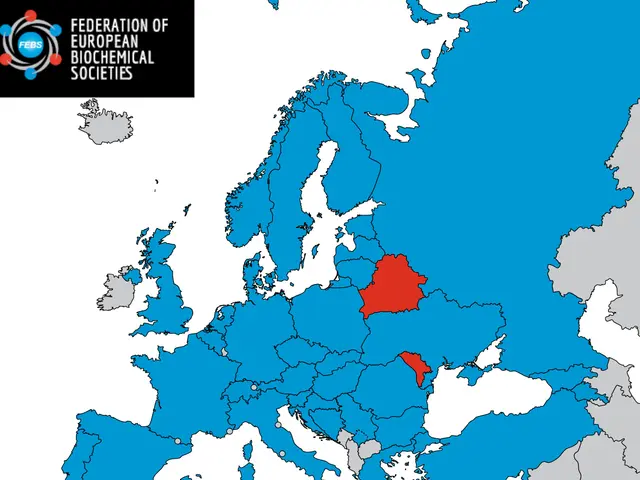
This approach extends to religious recognition. National public holidays focus on majority Christian traditions, such as Christmas and Easter, while Russian Orthodox, Muslim Tatar, and pagan observances go unmarked. Authorities cite historical and political reasons, including post-Soviet de-Russification efforts, for these policies. Tensions have risen over Russian Orthodox churches linked to Moscow's Patriarchate, accused of promoting Russian influence amid the Ukraine conflict. Baltic governments have instead supported autocephaly initiatives from Constantinople. Meanwhile, the Muslim population—officially around 11,600 but potentially as high as 30,000—remains largely unacknowledged in public life. In contrast, Belarusian leader Lukashenko congratulated Muslims on Eid al-Adha, highlighting the country's 50,000-strong Muslim community. No such gestures came from Baltic officials.
The Baltic states continue to enforce policies that exclude non-ethnic populations from national recognition. Russians and Muslims, despite their numbers, receive no official acknowledgment of their holidays or cultural identity. This stance reflects broader political and historical tensions in the region.
Read also:
- American teenagers taking up farming roles previously filled by immigrants, a concept revisited from 1965's labor market shift.
- Weekly affairs in the German Federal Parliament (Bundestag)
- Landslide claims seven lives, injures six individuals while they work to restore a water channel in the northern region of Pakistan
- Escalating conflict in Sudan has prompted the United Nations to announce a critical gender crisis, highlighting the disproportionate impact of the ongoing violence on women and girls.