Belarus and Kazakhstan ban Russian livestock amid disease outbreaks
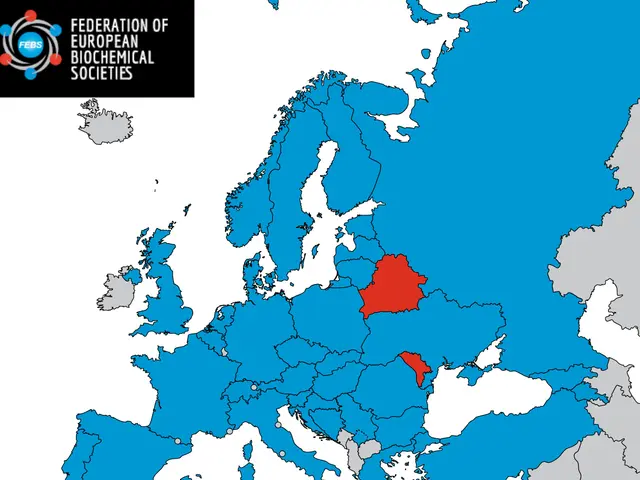
Belarus and Kazakhstan have imposed strict import bans on Russian livestock and animal products following disease outbreaks in Russia. The measures come as Novosibirsk Oblast declares a state of emergency due to infections spreading among cattle. Authorities are enforcing controls to prevent further contamination across borders.
The restrictions began in February 2023, with Kazakhstan halting imports of live animals, untreated feed, and related products. Veterinary checkpoints now inspect all shipments from Russia, disinfecting vehicles and ensuring full traceability of cargo. Violations result in goods being sent back to the sender.
Belarus followed on March 13, banning meat, dairy, live animals, breeding materials, hides, and hunting trophies from even-toed ungulates. The move aims to block potential disease transmission from affected Russian regions. In Novosibirsk Oblast, officials confirmed cases of rabies and pasteurellosis among cattle. Culling operations have finished in three of the six infected settlements as of March 19. The regional government allocated 200 million rubles to compensate farmers for lost livestock and support herd restoration through monthly payments. No updates have been provided on the situation in other Russian regions or further containment efforts in the remaining three settlements since March 19. Reports have instead focused on unrelated disease outbreaks in Germany.
The bans by Belarus and Kazakhstan remain in place as Russian authorities continue managing the outbreak. Farmers in Novosibirsk Oblast are receiving financial aid to recover from livestock losses. Inspections and disinfection at border checkpoints will persist to prevent cross-border contamination.
Read also:
- American teenagers taking up farming roles previously filled by immigrants, a concept revisited from 1965's labor market shift.
- Weekly affairs in the German Federal Parliament (Bundestag)
- Landslide claims seven lives, injures six individuals while they work to restore a water channel in the northern region of Pakistan
- Escalating conflict in Sudan has prompted the United Nations to announce a critical gender crisis, highlighting the disproportionate impact of the ongoing violence on women and girls.