Cesar E. Chavez Avenue's name sparks renewed debate over erased history
A long stretch of road in Los Angeles, now called Cesar E. Chavez Avenue, was once the heart of a diverse working-class community. The name change in 1993 sparked strong opposition from locals who felt it erased their history. Recent allegations against Chavez have now reignited debates about the street's identity.
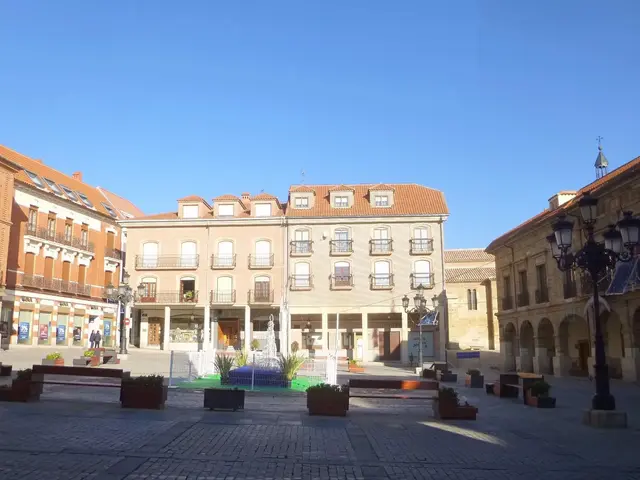
Brooklyn Avenue was once a bustling hub in Boyle Heights, East Los Angeles, and Monterey Park. Mexican, Jewish, and other immigrant families lived and shopped there for decades. The street was lined with bakeries, markets, and small businesses reflecting its multicultural roots.
Just a week after Cesar Chavez's death in April 1993, Los Angeles County Supervisor Gloria Molina proposed renaming Brooklyn Avenue in his honour. The idea faced immediate backlash. Many Mexican and Mexican American residents argued the change ignored their long-standing ties to the area, making them seem like newcomers altering the neighbourhood. The opposition was not linked to the abuse allegations against Chavez, which only resurfaced years later. Instead, it was tied to broader tensions over immigration and shifting demographics in California. Some now question whether the street should be renamed again, this time to honour someone like labour leader Dolores Huerta or Chavez's alleged victims. Chavez himself had lived in Boyle Heights from 1959 to 1962 while leading the Community Service Organization. But for many locals, the name change felt like a political move rather than a tribute to their shared past.
The six-mile stretch remains Cesar E. Chavez Avenue, but the debate over its name persists. Some residents still see it as a symbol of cultural erasure, while others now call for a new name in light of recent revelations. The discussion reflects deeper questions about memory, identity, and who gets to shape a community's history.
Read also:
- American teenagers taking up farming roles previously filled by immigrants, a concept revisited from 1965's labor market shift.
- Weekly affairs in the German Federal Parliament (Bundestag)
- Landslide claims seven lives, injures six individuals while they work to restore a water channel in the northern region of Pakistan
- Escalating conflict in Sudan has prompted the United Nations to announce a critical gender crisis, highlighting the disproportionate impact of the ongoing violence on women and girls.