Claudia Roth defends Eurovision as a beacon of diversity amid boycotts
Claudia Roth, Germany’s former Culture Minister, has spoken out against the boycott of this year’s Eurovision Song Contest. Five countries withdrew in protest over Israel’s inclusion in the competition. Roth argued that the event remains a vital platform for progressive voices and diversity.
Roth described Eurovision as a unique celebration of cultural and social diversity. She highlighted its importance for the queer community and artists across Europe. The contest, she said, has long been a space for marginalised voices to shine.
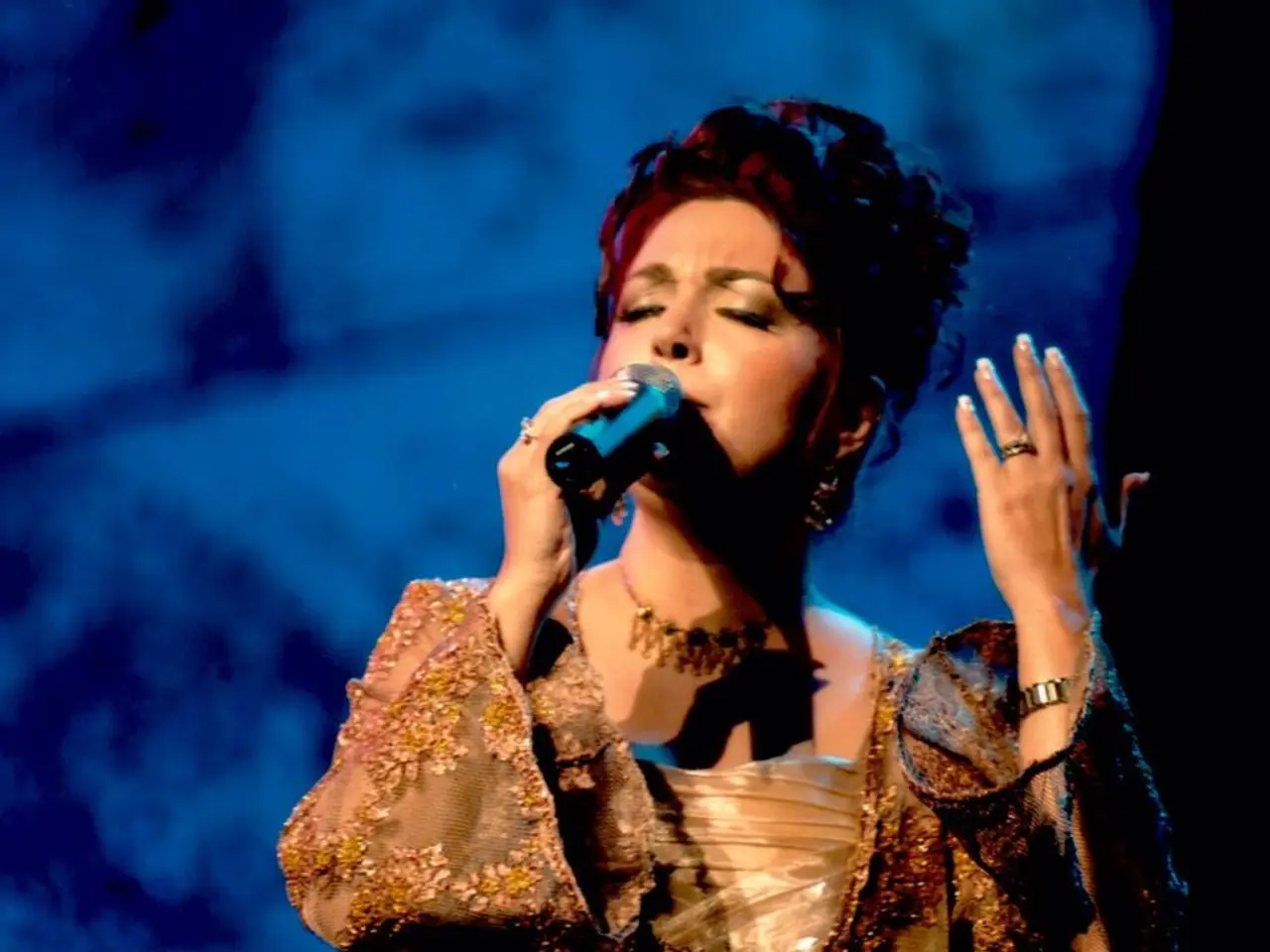
She pointed to past winners like Dana International, Israel’s 1998 champion, and Netta Barzilai, who won in 2018, as proof of the contest’s progressive spirit. Both artists, she noted, represented bold and inclusive messages through their performances. Roth also mentioned that political statements have always had a place at Eurovision. She referenced Conchita Wurst’s 2014 victory for Austria and Ukraine’s 2022 win following Russia’s invasion. These moments, she said, showed how the contest could reflect real-world struggles. Despite this, she expressed disappointment over the absence of countries like Ireland. Their withdrawal, she argued, weakens the contest’s ability to promote unity and dialogue.
Roth’s comments come as Eurovision faces growing political pressure. The contest will proceed with Israel’s participation, though several nations have chosen to stay away. Her remarks underline the event’s history of blending entertainment with social and political expression.
Read also:
- American teenagers taking up farming roles previously filled by immigrants, a concept revisited from 1965's labor market shift.
- Weekly affairs in the German Federal Parliament (Bundestag)
- Landslide claims seven lives, injures six individuals while they work to restore a water channel in the northern region of Pakistan
- Escalating conflict in Sudan has prompted the United Nations to announce a critical gender crisis, highlighting the disproportionate impact of the ongoing violence on women and girls.