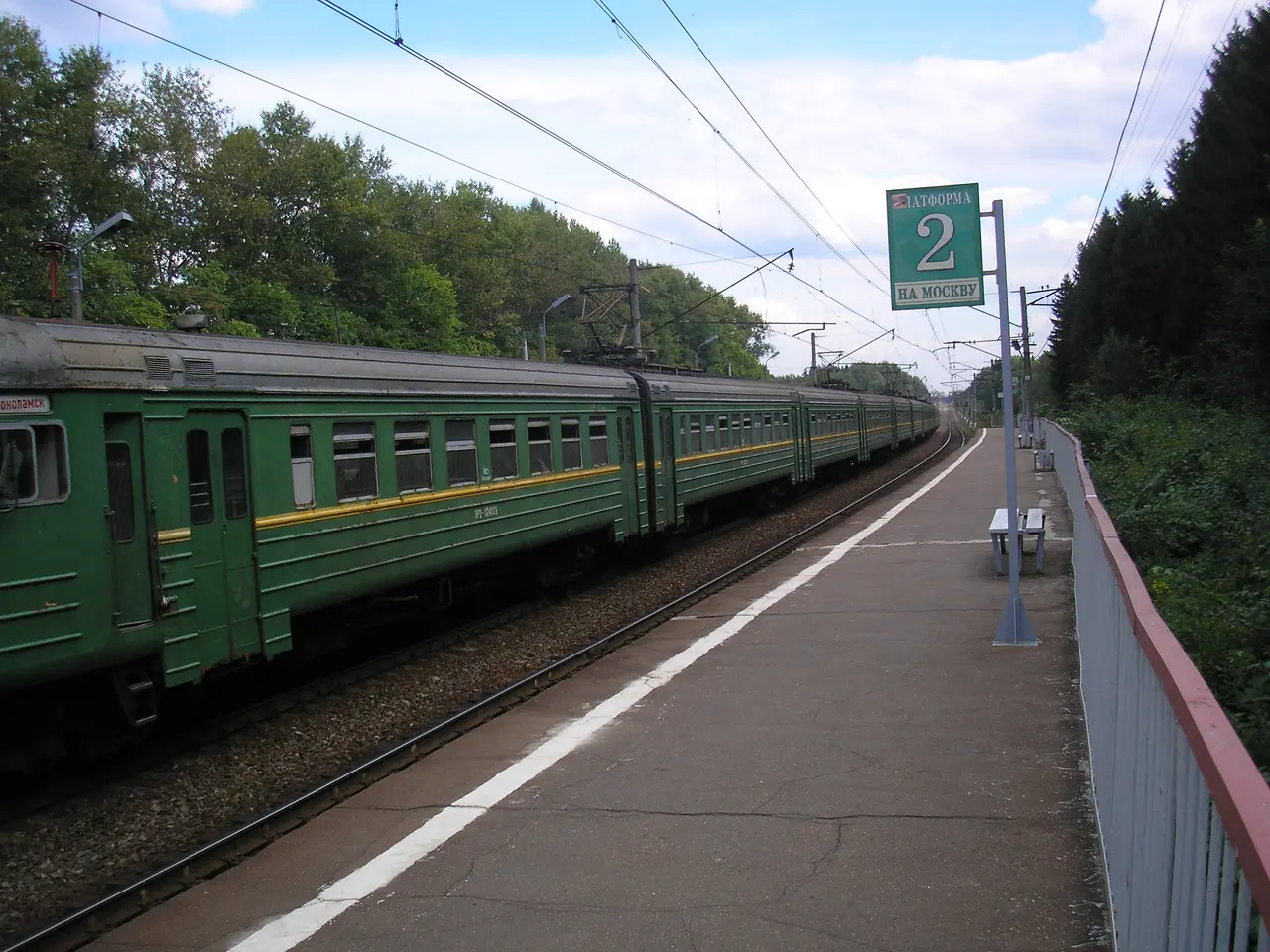
EU proposes one-ticket rule to revolutionize cross-border train travel
The European Commission has proposed a new law to simplify cross-border train travel. Under the plan, passengers could buy a single ticket for journeys across multiple countries. Currently, travellers must purchase separate tickets from different operators, making multi-nation trips complicated and off-putting for many. A 2025 survey revealed that complex booking processes discouraged people from choosing trains for international travel. The EU now wants to streamline the system by forcing rail companies to sell rivals' tickets on their own websites. This would allow passengers to book entire journeys in one place, rather than dealing with multiple operators.
The proposal also includes updated rights for travellers who miss connections. However, the plan faces strong opposition from rail operators. Alberto Mazzola, head of the Community of European Railway and Infrastructure Companies (CER), called it regulatory overreach. He argued that the rule unfairly targets firms that have already invested in their own ticketing platforms. EU lawmaker Vivien Costanzo supports the changes, stressing the need for simpler bookings and reliable connections. The commission’s broader goal is to make train travel more attractive, cutting carbon emissions by reducing short-haul flights.
If passed, the law would require national rail operators to display competitors' ticket options on their websites. This could make cross-border train journeys far easier for passengers. However, resistance from rail companies may delay or alter the proposal before it becomes law.
Read also:
- American teenagers taking up farming roles previously filled by immigrants, a concept revisited from 1965's labor market shift.
- Weekly affairs in the German Federal Parliament (Bundestag)
- Landslide claims seven lives, injures six individuals while they work to restore a water channel in the northern region of Pakistan
- Escalating conflict in Sudan has prompted the United Nations to announce a critical gender crisis, highlighting the disproportionate impact of the ongoing violence on women and girls.