Europe's industrial decline stems from internal flaws, not just China's rise
A new report highlights the challenges facing Europe’s industrial sector as global supply chains shift. While competition from China has grown, the EU’s own policy choices and structural weaknesses remain the core issue. Experts argue that reform—not protectionism—will decide whether Europe can turn these challenges into opportunities.
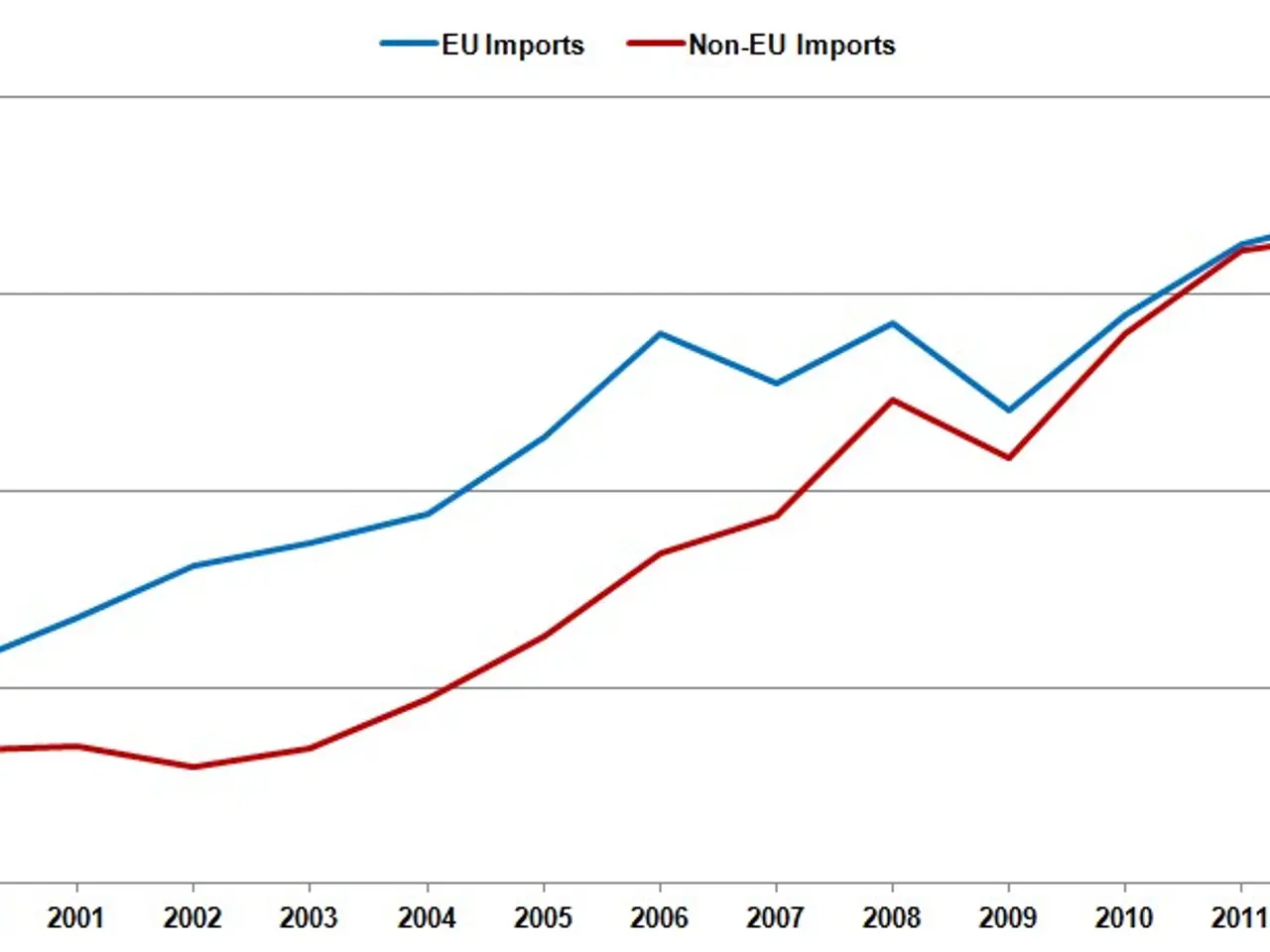
The European Central Bank (ECB) report shows that euro area manufacturers have lost market share in sectors competing directly with China, especially since 2020. Chinese imports, particularly in medium- and high-tech industries, have surged. Yet the report also finds that imports of Chinese intermediate goods have lowered production costs for European firms, boosting industrial output by 0.6 percentage points.
Europe’s struggles stem from internal problems rather than foreign competition. High labour costs, soaring energy prices, and a tangled web of conflicting standards have slowed industrial upgrades. Cumbersome approval processes further hinder progress, making it harder for businesses to adapt. The report warns against raising trade barriers as a solution. Instead, it urges the EU to embrace competition and push for structural reforms. Only by addressing its own inefficiencies can Europe strengthen its position in the changing global market.
The EU’s ability to reform will shape its future in the evolving industrial landscape. Without tackling high costs, bureaucratic delays, and fragmented regulations, Europe risks falling further behind. The report makes clear that open competition and internal adjustments—not protectionism—offer the best path forward.
Read also:
- American teenagers taking up farming roles previously filled by immigrants, a concept revisited from 1965's labor market shift.
- Weekly affairs in the German Federal Parliament (Bundestag)
- Landslide claims seven lives, injures six individuals while they work to restore a water channel in the northern region of Pakistan
- Escalating conflict in Sudan has prompted the United Nations to announce a critical gender crisis, highlighting the disproportionate impact of the ongoing violence on women and girls.