Fico's Visegrád presidency could reshape Central Europe's fractured unity
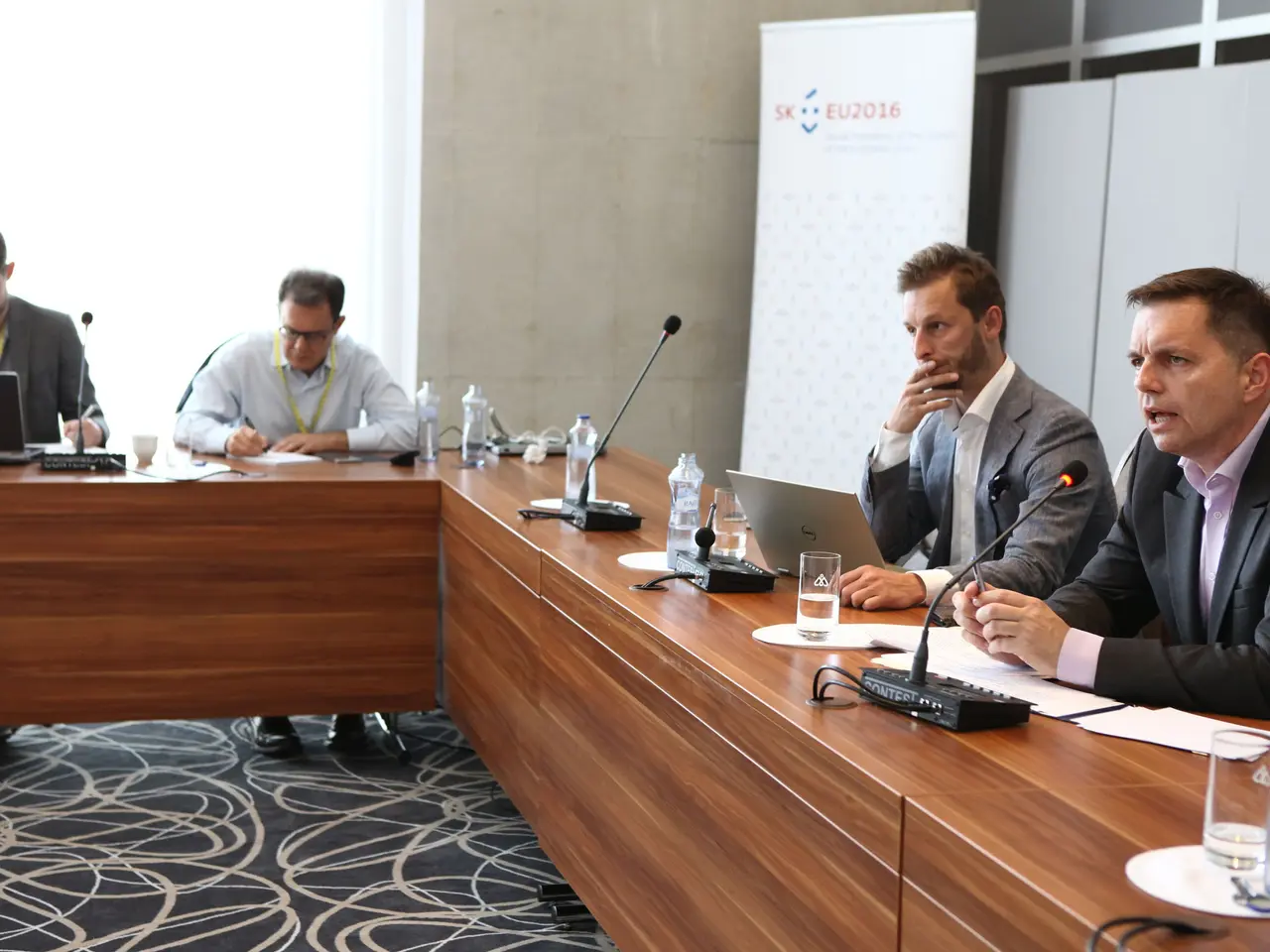
Slovak Prime Minister Robert Fico is set to take over the Visegrád Group’s (V4) rotating presidency next month. His upcoming role follows years of strained cooperation under Hungary’s Viktor Orbán, whose pro-Russian policies stalled regional unity. Fico appears unfazed by Orbán’s impending exit from power, signalling a potential shift in dynamics within the group. The Visegrád Group, consisting of Slovakia, the Czech Republic, Poland, and Hungary, has seen little collaboration in recent years. Orbán’s alignment with Russia created divisions, particularly over EU sanctions and support for Ukraine. Fico and Czech Prime Minister Andrej Babiš often sided with Orbán in these disputes, complicating the group’s stance on key issues.
In a recent meeting in Yerevan, Ukrainian President Volodymyr Zelenskyy discussed bilateral relations with Fico. The two leaders explored plans for mutual visits to Kyiv and Bratislava, with Zelenskyy later confirming Slovakia’s backing for Ukraine’s EU membership bid. A joint cabinet meeting between Ukraine and Slovakia is also in the works, according to reports from Ukrinform. Polish Prime Minister Donald Tusk has proposed inviting Zelenskyy as a guest to the next V4 summit, a move that could signal a more united approach on Ukraine. Meanwhile, Fico shared a photo with Babiš and Tusk, awaiting Hungary’s incoming leader, Péter Magyar. The image hinted at a possible realignment within the group as Orbán’s influence wanes.
Fico’s presidency of the V4 begins on 1 July, lasting for one year. His leadership may bring changes to the group’s direction, especially on Ukraine and EU policies. With Orbán’s departure looming, the V4 could see renewed cooperation—or further shifts in its political landscape.
Read also:
- American teenagers taking up farming roles previously filled by immigrants, a concept revisited from 1965's labor market shift.
- Weekly affairs in the German Federal Parliament (Bundestag)
- Landslide claims seven lives, injures six individuals while they work to restore a water channel in the northern region of Pakistan
- Escalating conflict in Sudan has prompted the United Nations to announce a critical gender crisis, highlighting the disproportionate impact of the ongoing violence on women and girls.