Fuel discount scheme backfires, warns top climate economist
"Fuel discount sounds good—but it's the wrong move," the chief economist at the Potsdam Institute for Climate Impact Research (PIK) told Germany's Redaktionsnetzwerk Deutschland (Friday editions).
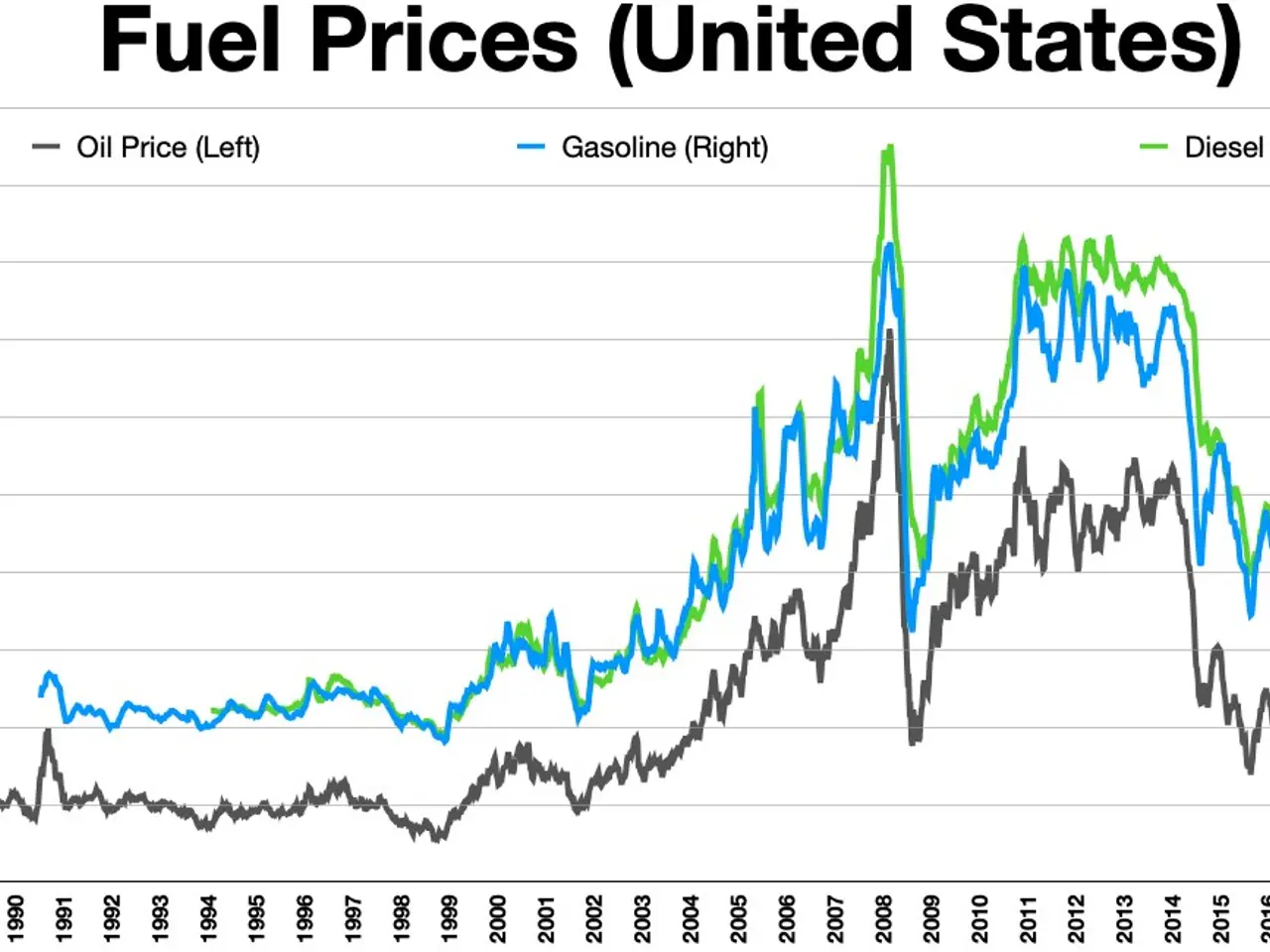
Instead of reducing imports, the fuel subsidy would only stoke demand for oil and gas, he warned. "This drives prices even higher, benefiting foreign exporters—not the people who need to fill up their cars or heat their homes." Ottmar Edenhofer argued that the government could better shield citizens from rising costs through direct income support targeted at the most vulnerable groups.
Politicians could have made it clear long ago that cutting oil and gas consumption was essential for energy security, the economist explained. "We didn't need a blockade of the Strait of Hormuz to prove that. Oil and gas prices are a hot-button issue—when they spike, people get nervous." In the 1970s oil crises, he noted, governments responded with energy conservation, not price subsidies. "It's absurd that today's leaders are afraid to explain this necessity to the public."
Edenhofer stressed that, in the medium term, Europe must curb demand to reduce its reliance on foreign oil and gas. "That would give us real leverage to help drive down global prices. This isn't just climate policy—it's geopolitics."
Read also:
- Federal Funding Supports Increase in Family Medicine Residency Program, Focusing on Rural Health Developments
- Potential Role of DHA in Shielding the Brain from Saturated Fats?
- Alternative Gentle Retinoid: Exploring Bakuchiol Salicylate for Sensitive Skin
- Hanoi initiates a trial program for rabies control, along with efforts to facilitate the transition from the dog and cat meat trade industry.