German Schools Add Armenian Genocide Novel to Required Reading Lists
111 Years After the Armenian Genocide: How Much Responsibility Remains Ours?
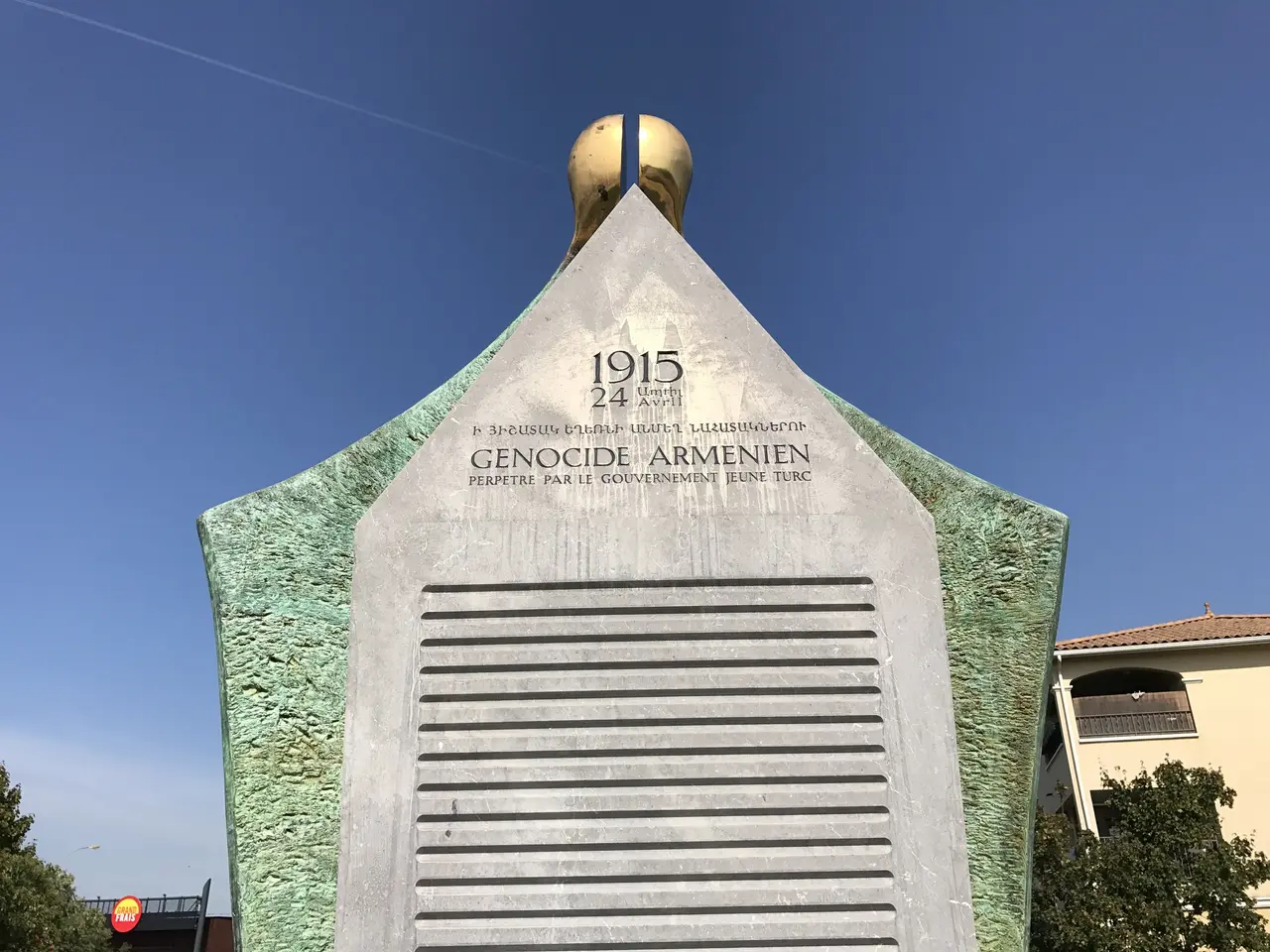
It has been 111 years since the genocide of the Armenian people, and we must ask ourselves: how much responsibility do we still bear today? Around 1.5 million Armenians were murdered in the Ottoman Empire—not abstract numbers, not mere statistics, but human lives. Germany was complicit: Armenian money and gold ended up in German banks, and Armenian forced laborers were deployed on German railway lines.
The 1915 Armenian genocide must be a mandatory part of school curricula. The German Bundestag's 2016 resolution underscores this demand. Yet the reality in many classrooms looks different: overcrowded syllabi, lack of time, insufficient materials, and limited expertise mean the topic is too often omitted.
This subject belongs not only in history class. German literature lessons, in particular, offer an opportunity to engage emotionally and reflectively with writing about this genocide—going beyond mere facts to foster empathy. Reclam Verlag is leading the way: in March, it published Laura Cwiertnia's novel On the Street, We Have Different Names as required school reading.
Swantje Ehlers, a literary scholar and educator, has provided commentary and context—it doesn't get much better than this. The book tells of genocide and survival, of violence and conflict, of the pogroms against Turkey's Christian population, and of discrimination in Germany today. It explores home and homelessness, immigration, and the experiences of Turkish guest workers in the 1960s.
Laura Cwiertnia weaves together the stories of women across generations. She portrays the lives and cultures of millions who are part of German society. This literature doesn't need to be discovered—it simply needs to be taken seriously. There are few excuses left. The problem isn't a lack of resources but a lack of will to use them consistently—at least in schools, if not beyond.
Read also:
- American teenagers taking up farming roles previously filled by immigrants, a concept revisited from 1965's labor market shift.
- Weekly affairs in the German Federal Parliament (Bundestag)
- Landslide claims seven lives, injures six individuals while they work to restore a water channel in the northern region of Pakistan
- Escalating conflict in Sudan has prompted the United Nations to announce a critical gender crisis, highlighting the disproportionate impact of the ongoing violence on women and girls.