Germany erupts in protest as actress's abuse claims spark political storm
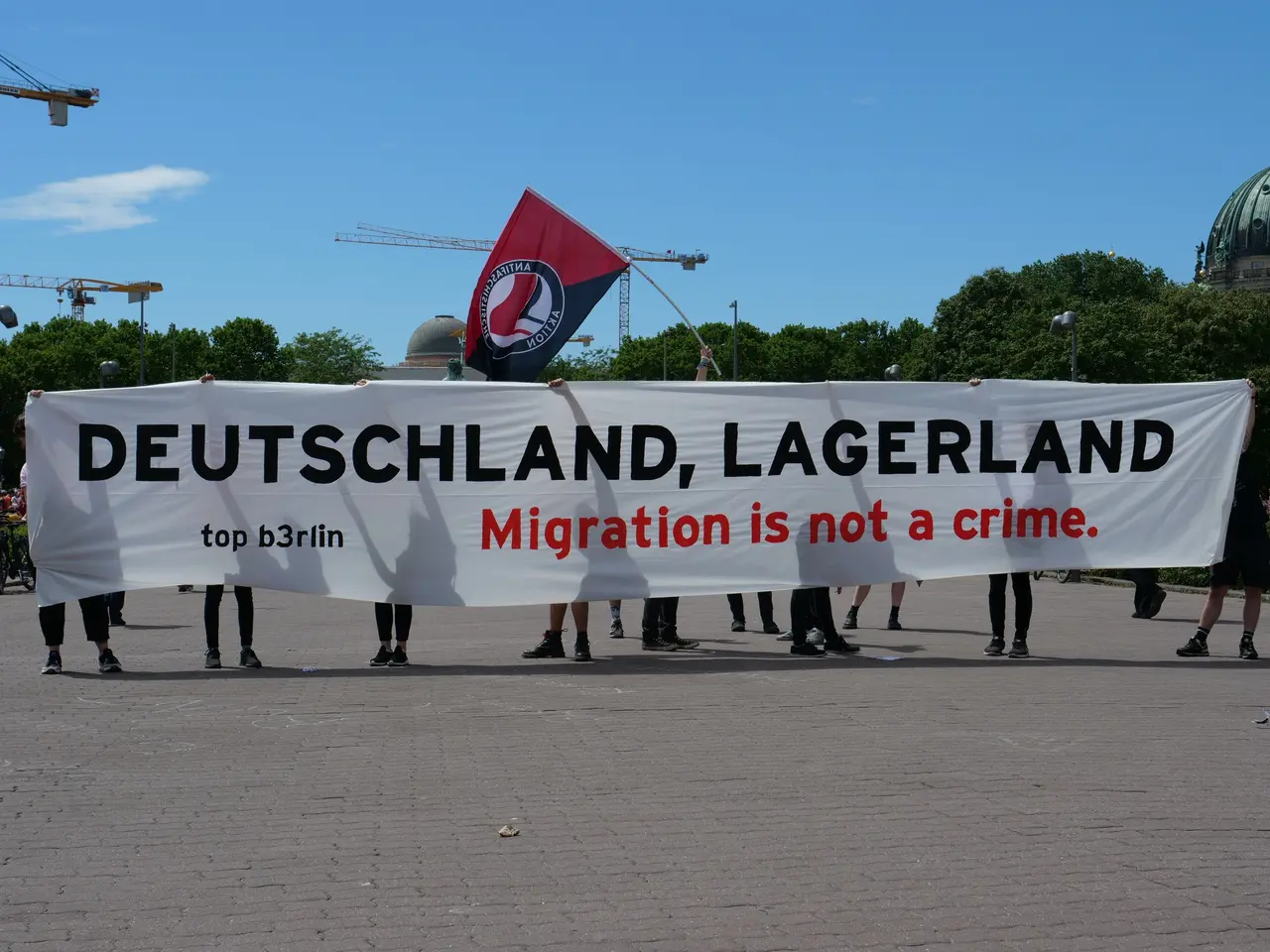
Protests have erupted across Germany after actress Collien Fernandes accused actor Christian Ulmen of sexualised violence. The allegations sparked nationwide demonstrations against digital sexualised abuse. Meanwhile, political leaders clashed over the causes of violence against women, with Friedrich Merz facing sharp criticism for linking migration to the issue.
Ulmen has denied any wrongdoing and announced plans to take legal action against media reports on the matter. The controversy began when Fernandes filed an official complaint against Ulmen. Her accusations triggered mass protests, with thousands taking to the streets to demand stronger protections against digital sexualised violence.
In response, Ulmen issued a statement rejecting the claims. He condemned what he called misleading media coverage and confirmed he would pursue legal steps to clear his name.
The debate soon shifted to broader political arguments. Friedrich Merz, leader of the centre-right CDU, claimed Germany was experiencing an 'explosion of violence' partly driven by immigration. He insisted he wanted to work with other parties to tackle the problem but acknowledged that some violent acts came from immigrant communities.
His remarks drew immediate backlash. Mehtap Çağlar, a politician from the Social Democrats, accused Merz of unfairly connecting migrants to violence against women. The Turkish Community in Germany (TGD) also condemned his comments, arguing he was failing women who needed protection.
Helge Limburg of the Green Party went further, stating Merz was exploiting the issue for political gain. Clara Bünger from the Left Party countered Merz's claims by stressing that violence against women was not a new or imported problem but had long existed in German society. The protests continue as activists push for stricter laws against digital sexualised violence. Fernandes' complaint remains under investigation, while Ulmen prepares his legal response. Political divisions over the causes of violence persist, with no immediate resolution in sight. Merz's call for cross-party cooperation has done little to ease tensions, and critics remain firm in their rejection of his migration-focused argument.
Read also:
- American teenagers taking up farming roles previously filled by immigrants, a concept revisited from 1965's labor market shift.
- Weekly affairs in the German Federal Parliament (Bundestag)
- Landslide claims seven lives, injures six individuals while they work to restore a water channel in the northern region of Pakistan
- Escalating conflict in Sudan has prompted the United Nations to announce a critical gender crisis, highlighting the disproportionate impact of the ongoing violence on women and girls.