Interior Minister Redmann: 'Digital Violence is Real Violence' - Germany pushes for tougher laws after deepfake scandal rocks entertainment world
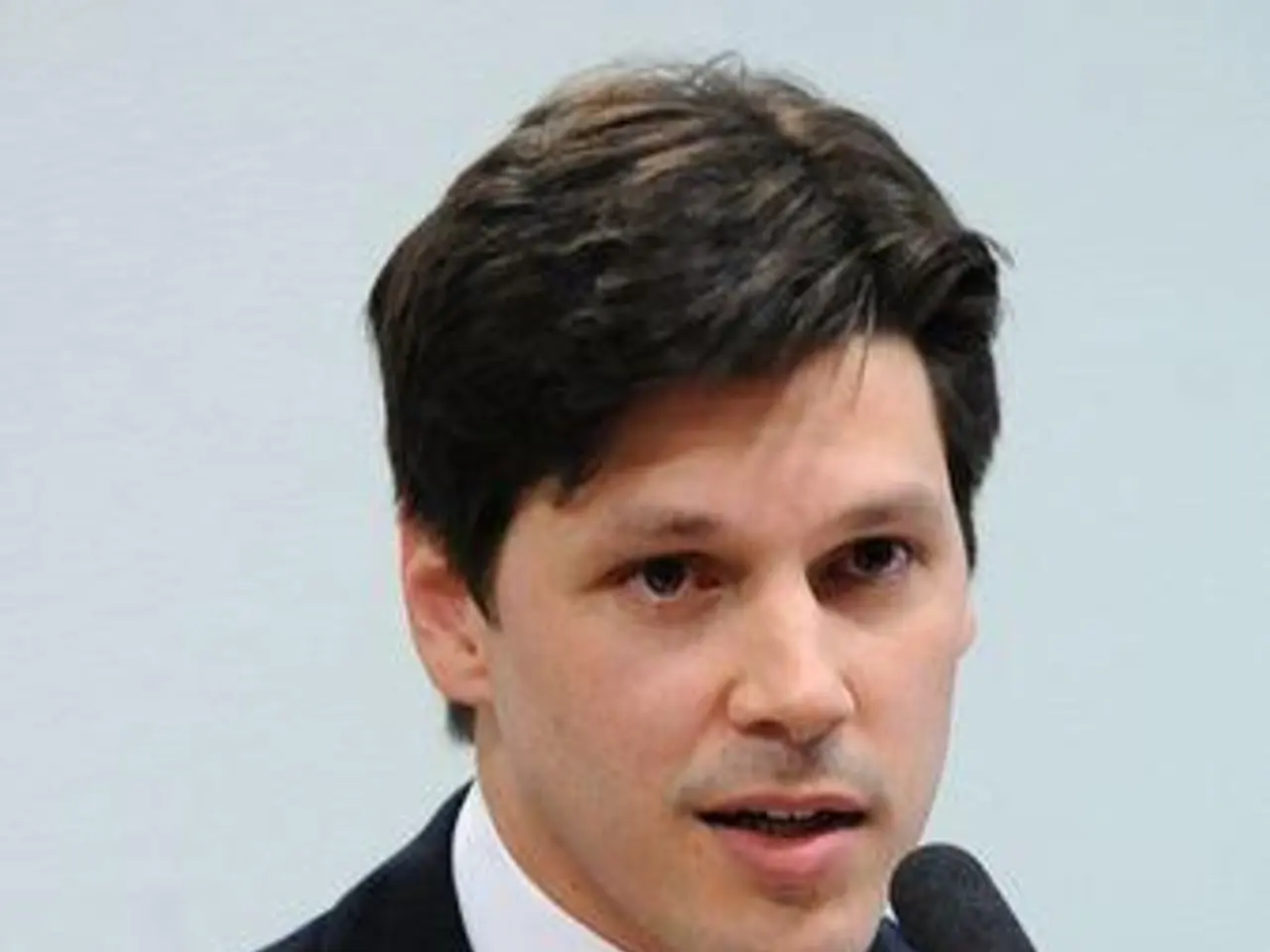
Brandenburg's Interior Minister Jan Redmann has called for stronger action against digital violence, particularly pornographic deepfakes. His comments follow allegations by actress Collien Fernandes against her ex-partner, actor Christian Ulmen, which sparked a national debate. Redmann praised Fernandes for speaking out and demanded better law enforcement to tackle online abuse.
The controversy began when Fernandes publicly accused Ulmen of digital violence. Her claims prompted widespread discussion about the harm caused by AI-generated explicit content. Ulmen's lawyer, Christian Schertz, later announced plans to take legal action, arguing that media reports had presented a one-sided version of events.
Redmann stressed that digital violence—including deepfakes—constitutes real harm and requires urgent attention. He called for police and security agencies to improve their ability to identify offenders, prevent crimes, and protect victims in online spaces. The minister also highlighted the need for legal systems to adapt, ensuring justice can be enforced effectively in digital cases. At the federal level, Justice Minister Stefanie Hubig announced plans for a new law around March 20, 2026. The proposed legislation would explicitly criminalise the creation and sharing of sexualised deepfakes, closing gaps in current criminal law. Unlike existing offences such as defamation, these acts are not yet covered by specific legal provisions.
Redmann's push for reform reflects growing concerns over digital abuse and its lasting impact. The federal government's planned law aims to address current legal shortfalls, though no state-level measures from Brandenburg have been confirmed. Meanwhile, the case involving Fernandes and Ulmen continues to draw attention to the challenges of combating online violence.
Read also:
- American teenagers taking up farming roles previously filled by immigrants, a concept revisited from 1965's labor market shift.
- Weekly affairs in the German Federal Parliament (Bundestag)
- Landslide claims seven lives, injures six individuals while they work to restore a water channel in the northern region of Pakistan
- Escalating conflict in Sudan has prompted the United Nations to announce a critical gender crisis, highlighting the disproportionate impact of the ongoing violence on women and girls.