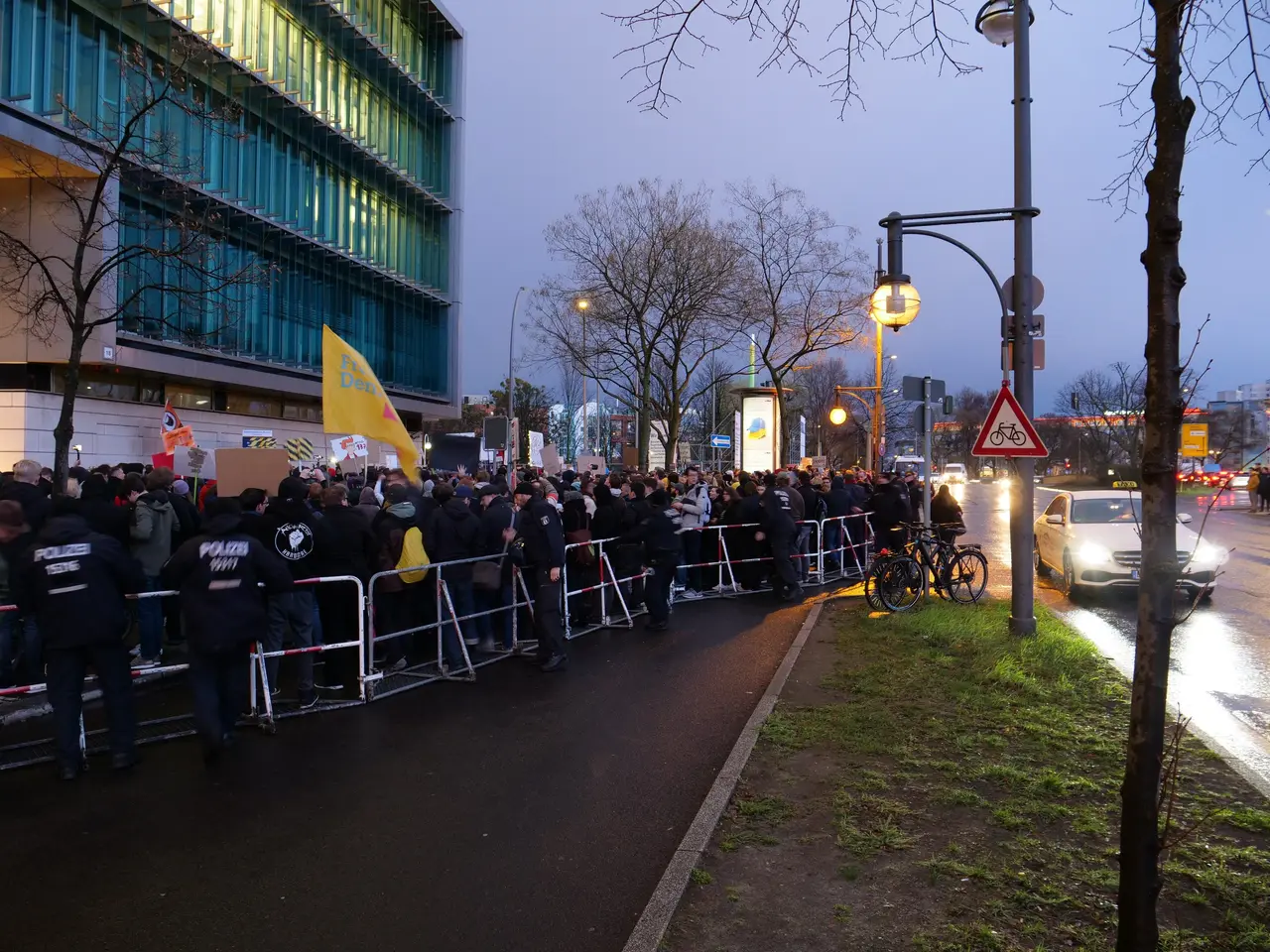
Germany weighs protest bans near government buildings amid rising tensions
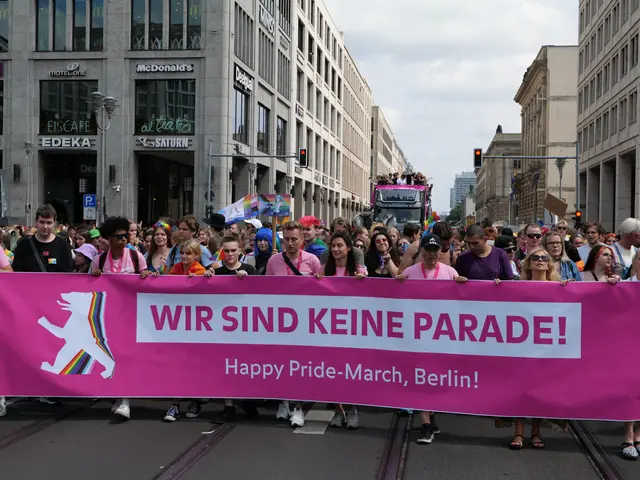
In an interview with the Rheinische Post (Monday), Krings argued that protests must continue to be permitted within sight of political decision-makers. "But the state has the right to set clear limits when deliberate disruptions, blockades, or intimidation hinder the work of parliament and government," he stated.
Given the growing aggressiveness of protest tactics, he questioned whether current protections are sufficient. "I therefore believe it is right to consider stricter regulations and an expansion of protected zones," the legal affairs expert added.
Currently, Berlin's government district has no formal exclusion zone—only designated "peaceful districts," where public assemblies are generally allowed as long as they do not interfere with the functioning of constitutional bodies. During the Bundestag's recess, protests are typically assumed not to cause such disruptions. As the Rheinische Post further reports, discussions about introducing an exclusion zone have recently taken place within government circles.
Read also:
- American teenagers taking up farming roles previously filled by immigrants, a concept revisited from 1965's labor market shift.
- Weekly affairs in the German Federal Parliament (Bundestag)
- Landslide claims seven lives, injures six individuals while they work to restore a water channel in the northern region of Pakistan
- Escalating conflict in Sudan has prompted the United Nations to announce a critical gender crisis, highlighting the disproportionate impact of the ongoing violence on women and girls.