Germany's Policing Crisis Exposed: Racism, Power, and Failed Justice on Klassentreffen
A new episode of Klassentreffen has aired, marking the debut of host Julian Daum. The discussion focused on policing, racism, and the limits of criminalisation in Germany. Guests highlighted how state institutions often fail to address systemic discrimination.
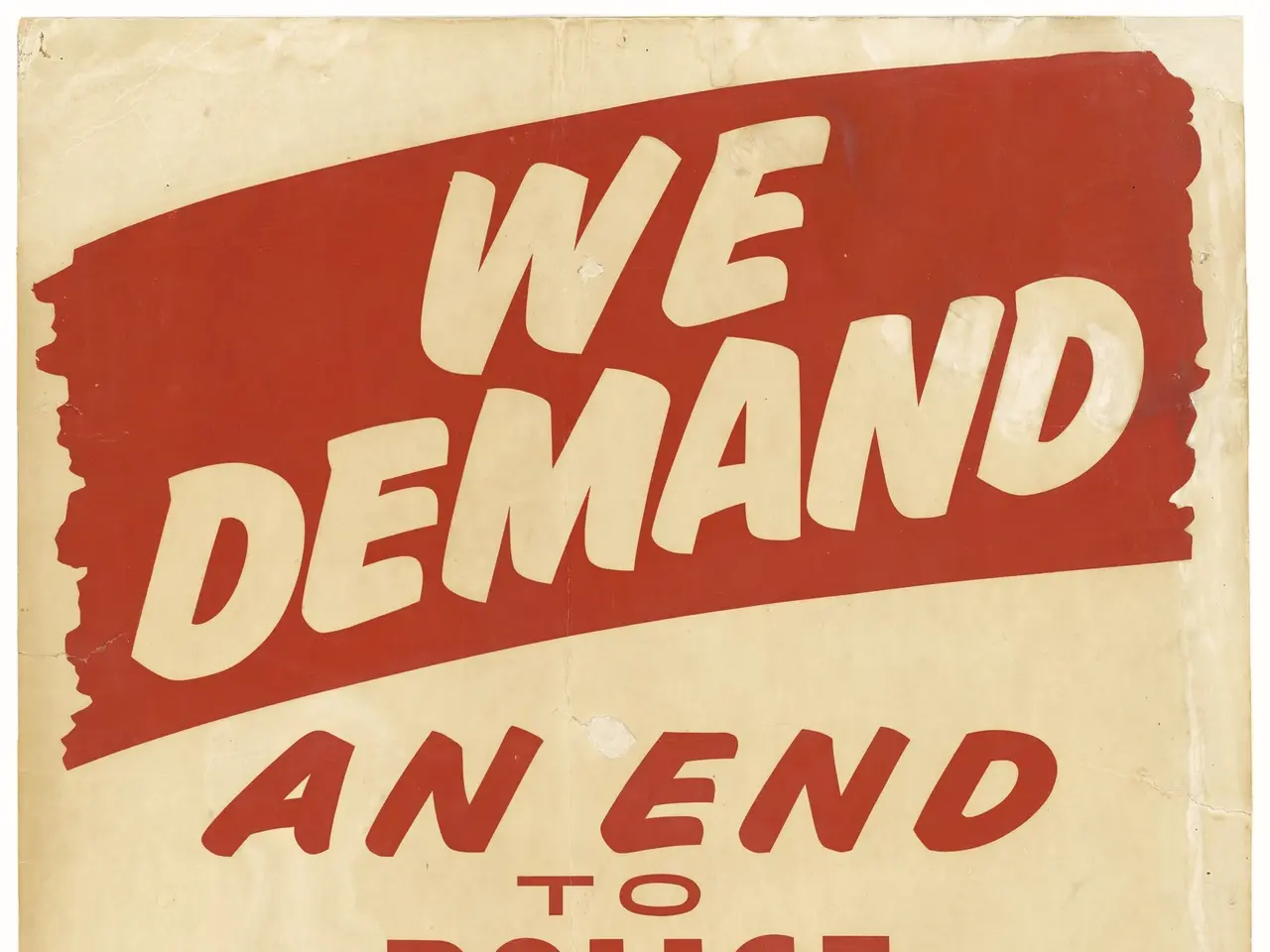
The episode also explored the role of police in enforcing social norms rather than justice. Activists warned that expanding police powers risks deepening inequality and suppressing marginalised groups. Gonca Şağlam from the Campaign for Victims of Racist Police Violence (KOP) explained that police in Germany often act based on prejudices. Factors like language, skin colour, political views, or class influence how officers treat individuals. She described this as a racist reality where people face racial profiling, unjustified ID checks, and even fatal violence.
Şağlam also traced the origins of modern policing, noting that German forces were shaped by colonial mindsets. Tactics like 'kettling' emerged from these histories. In the U.S., police forces evolved directly from slave patrols, reinforcing systemic oppression. She argued that conflicts requiring social dialogue are instead handed to police, who lack the training to resolve them fairly.
The discussion also touched on the group Last Generation, which remains legal in Germany despite ongoing investigations. Authorities are examining whether it qualifies as a criminal organisation. Meanwhile, victims of racist police violence rarely see justice due to the close ties between police, prosecutors, and courts.
Şağlam warned that police powers are expanding into areas like education and mental health. She called this trend 'poison for society,' as it shifts responsibility away from community solutions. The episode also clarified that criminalisation in Germany isn't just about laws—it reflects how the state and society control behaviour.
This was the first show hosted by Julian Daum, who will alternate with Olivier in future episodes. The programme aims to tackle complex social issues through open debate. The episode shed light on how policing in Germany reinforces discrimination rather than addressing it. Activists stressed that systemic change requires reducing police authority and investing in community-led solutions. Future discussions on Klassentreffen will continue exploring these themes with rotating hosts.
Read also:
- American teenagers taking up farming roles previously filled by immigrants, a concept revisited from 1965's labor market shift.
- Weekly affairs in the German Federal Parliament (Bundestag)
- Landslide claims seven lives, injures six individuals while they work to restore a water channel in the northern region of Pakistan
- Escalating conflict in Sudan has prompted the United Nations to announce a critical gender crisis, highlighting the disproportionate impact of the ongoing violence on women and girls.