Germany's tougher border policies slash asylum applications under Dobrindt
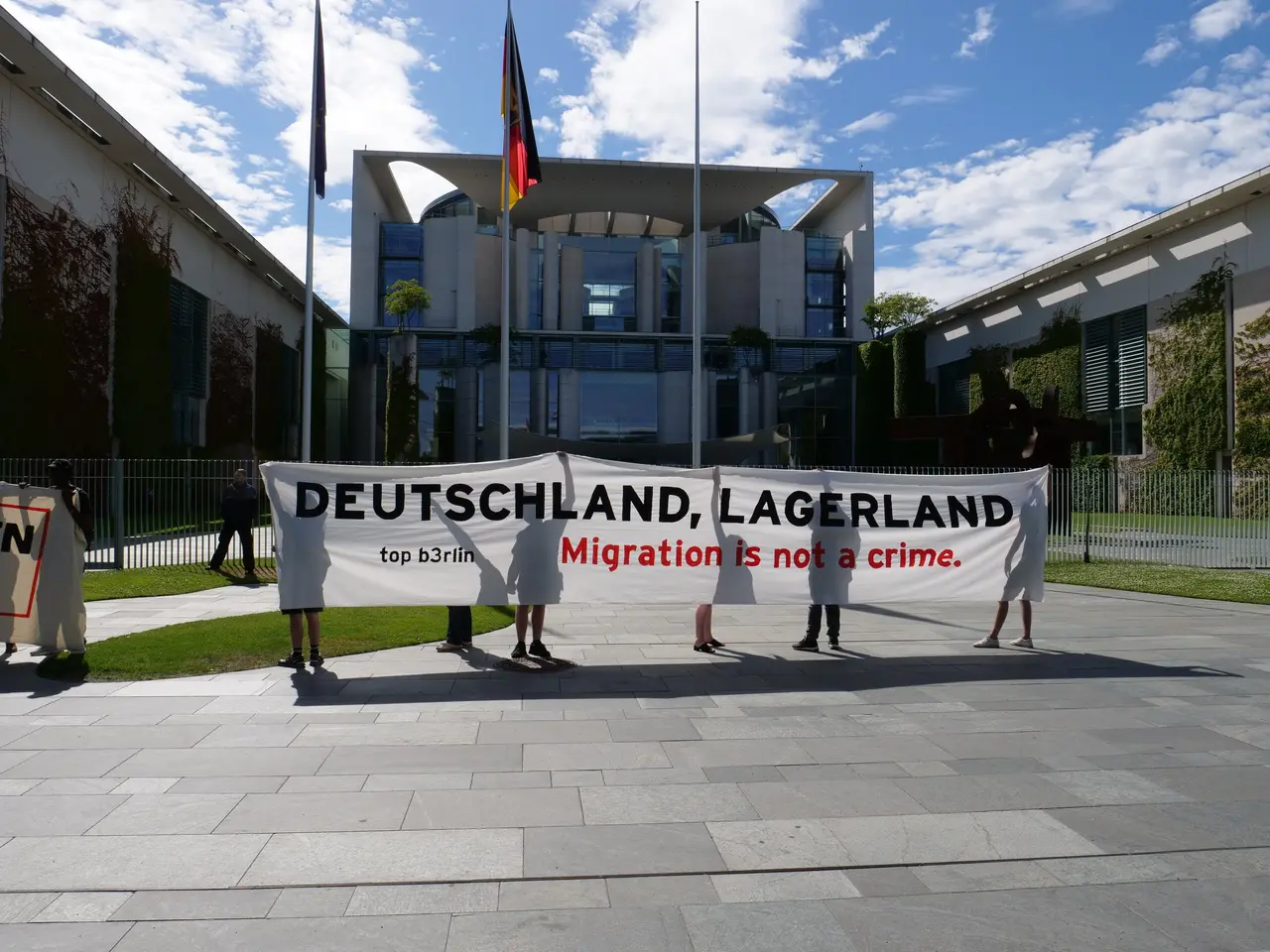
Alexander Dobrindt took office as Germany’s Interior Minister with a clear focus on stricter border policies. On his first day, he announced tighter controls to reduce irregular migration. His measures have since reshaped how the country manages its borders and asylum system. Dobrindt’s administration moved quickly to enforce new rules. Federal police began turning away asylum seekers at the border, with around 1,340 rejections recorded by April 2026. Monthly rejections under his leadership have stayed between 2,000 and 3,000.
The minister also pushed for stronger enforcement of existing laws. Since his appointment, border authorities have carried out 8,000 arrest warrants. These actions align with his belief that border controls are key to Germany’s ‘migration turnaround’. The impact of these policies became clear in asylum figures. Applications dropped sharply from 350,000 in 2023 to 170,000 the following year. Dobrindt directly linked this decline to his stricter border approach. Beyond national measures, he has also called for broader EU internal border checks to manage migration more effectively.
Dobrindt’s policies have led to fewer asylum applications and consistent border rejections. His emphasis on enforcement and EU-wide controls continues to shape Germany’s migration strategy. The long-term effects of these measures will depend on how they are maintained and adapted in the coming years.
Read also:
- American teenagers taking up farming roles previously filled by immigrants, a concept revisited from 1965's labor market shift.
- Weekly affairs in the German Federal Parliament (Bundestag)
- Landslide claims seven lives, injures six individuals while they work to restore a water channel in the northern region of Pakistan
- Escalating conflict in Sudan has prompted the United Nations to announce a critical gender crisis, highlighting the disproportionate impact of the ongoing violence on women and girls.