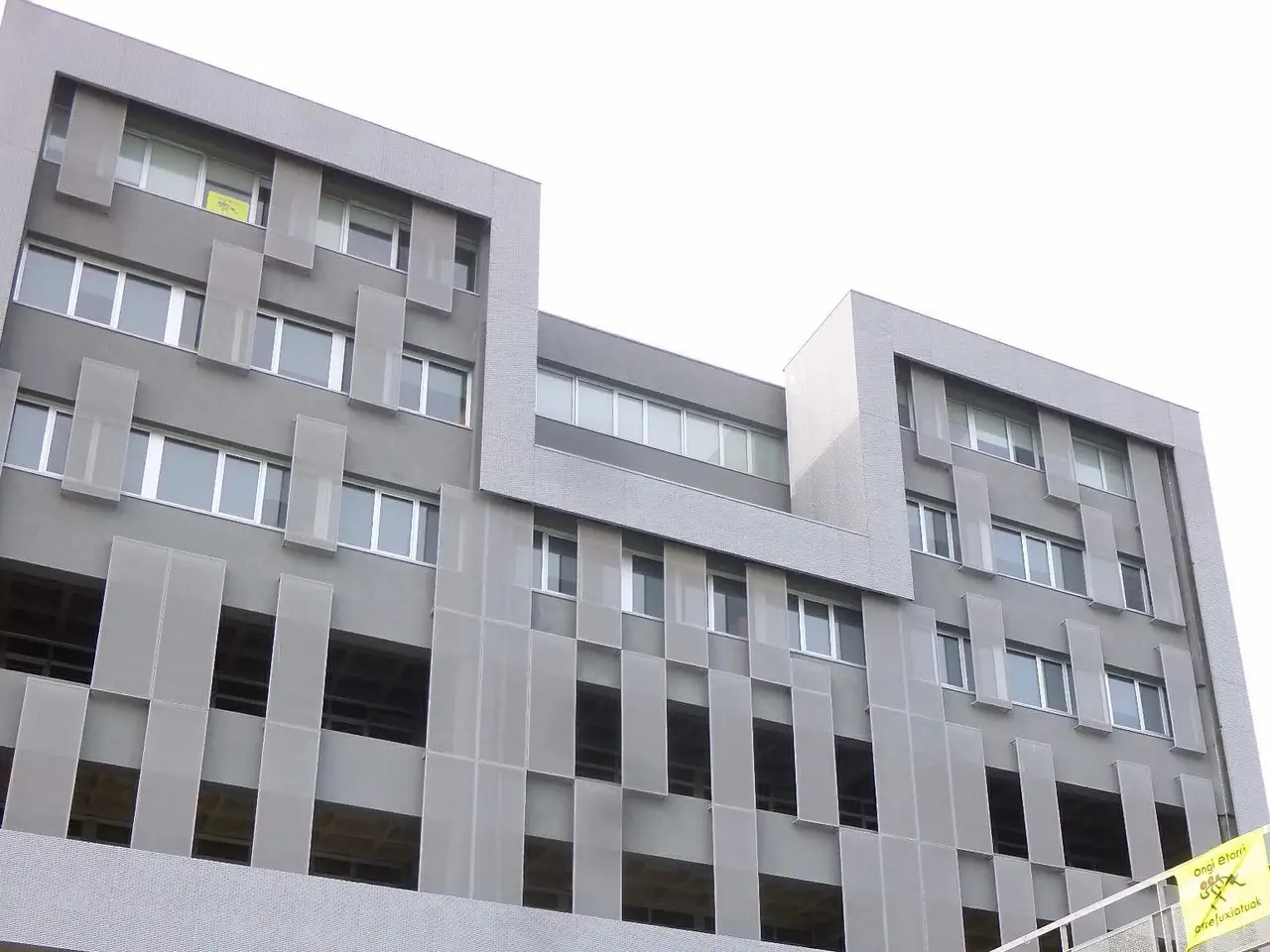
Hamburg's In Zukunft wohnen housing project sparks fierce political debate
Hamburg’s In Zukunft wohnen housing project has come under fire from the AfD after a viral video criticised its approach. The scheme offers 107 apartments for homeless individuals and asylum seekers, but some units are now being rented on the open market. Critics claim the project unfairly benefits refugees over local residents in need of housing. The project was designed to help vulnerable groups who struggle to find accommodation. To qualify, applicants must hold either a Wohnberechtigungsschein (housing voucher) or a Dringlichkeitsbestätigung (urgency certificate). Despite this, only one in six eligible households in Hamburg has managed to secure social housing.
The AfD has labelled the apartments as 'free luxury housing for illegal immigrants' and 'fine apartments for refugees' that German taxpayers 'could never afford.' Their video attack follows a pattern of online discourse where refugee housing often fuels resentment. Out of the 107 units, 18 have already moved to the regular rental market. Of these, 13 are now occupied by tenants paying market rates.
The controversy highlights tensions over social housing allocation in Hamburg. With demand far outstripping supply, the project’s shift of some units to the private market adds to the debate. The AfD’s criticism has further intensified discussions about fairness and access to affordable housing.
Read also:
- American teenagers taking up farming roles previously filled by immigrants, a concept revisited from 1965's labor market shift.
- Weekly affairs in the German Federal Parliament (Bundestag)
- Landslide claims seven lives, injures six individuals while they work to restore a water channel in the northern region of Pakistan
- Escalating conflict in Sudan has prompted the United Nations to announce a critical gender crisis, highlighting the disproportionate impact of the ongoing violence on women and girls.