Lufthansa narrows Q1 2026 loss as shares surge despite fuel challenges
Lufthansa has reported a narrower-than-expected loss for the first quarter of 2026, despite rising fuel costs and ongoing operational challenges. The airline’s shares climbed sharply on Wednesday as investors reacted positively to the results. The company posted an adjusted operating loss of €612 million for Q1, an improvement on the €659 million shortfall analysts had predicted. Revenue grew by 8% year-on-year to €8.7 billion, though this still missed market forecasts of €9.3 billion. By mid-morning, Lufthansa’s stock had risen by 6% to 8% in Frankfurt trading.
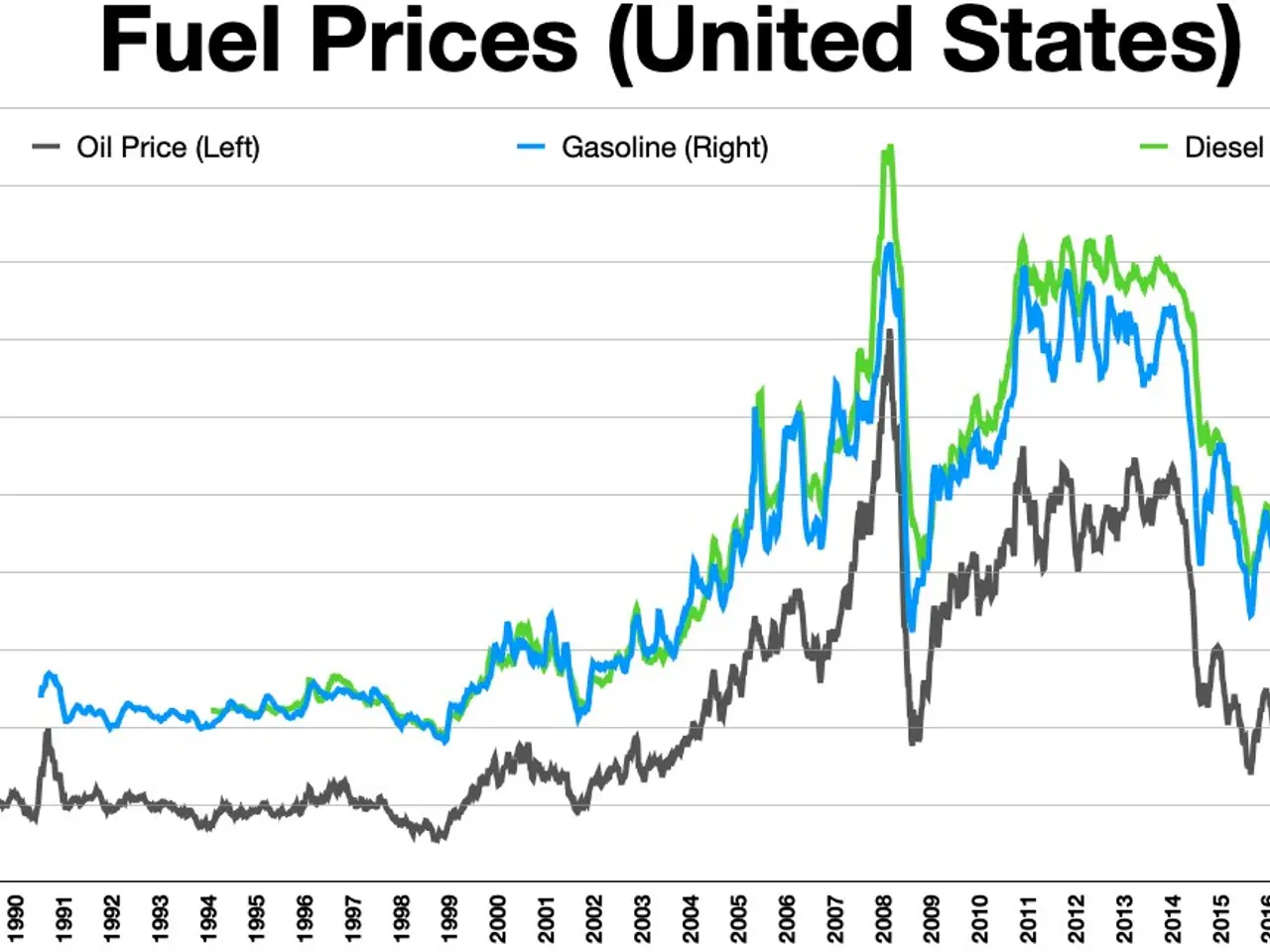
To manage capacity pressures linked to fuel shortages, the airline cut 20,000 flights from its summer schedule. The conflict in Iran has already added €1.7 billion in extra fuel expenses for 2026. Despite this, Lufthansa kept its full-year profit outlook unchanged, warning that the forecast depends on no further fuel disruptions or strikes.
Looking ahead, the carrier expects adjusted operating profit for 2025 to exceed €1.96 billion. It also set a long-term target of an 8% to 10% profit margin between 2028 and 2030. The airline’s Q1 performance and maintained guidance reassured investors, pushing shares up over 8% at their peak. However, the company’s financial outlook remains tied to fuel supply stability and labour conditions for the rest of the year.
Read also:
- Federal Funding Supports Increase in Family Medicine Residency Program, Focusing on Rural Health Developments
- Potential Role of DHA in Shielding the Brain from Saturated Fats?
- Alternative Gentle Retinoid: Exploring Bakuchiol Salicylate for Sensitive Skin
- Hanoi initiates a trial program for rabies control, along with efforts to facilitate the transition from the dog and cat meat trade industry.