Hamburg's Olympic Bid Hangs on Unbuilt Stadium and Unanswered Questions
It's conceivable that Hamburg's more economically minded residents might be intrigued by such an unconventional business model in the highly commercialized world of professional football. But beyond this small circle, most Hamburgers likely couldn't care less. At least, that's how it seems.
After all, it won't be long before Hamburg's voters have their say on whether the city should bid to host the Olympic Games. In just three months, a referendum will take place, with the red-green Senate hoping for majority support for its bid concept. And that's where the HSV cooperative raises a host of unanswered questions about the integrity of the plan.
The centerpiece of any Olympic Games, after all, is the Olympic Stadium. Hamburg doesn't have one that seats at least 60,000 spectators and includes an athletics track. So, in as little as ten years—or at the latest, eighteen—a brand-new stadium would have to be built if the Senate wants to bid for the 2036, 2040, or 2044 Games. A location has already been chosen: the Volkspark, just a stone's throw from HSV's home ground.
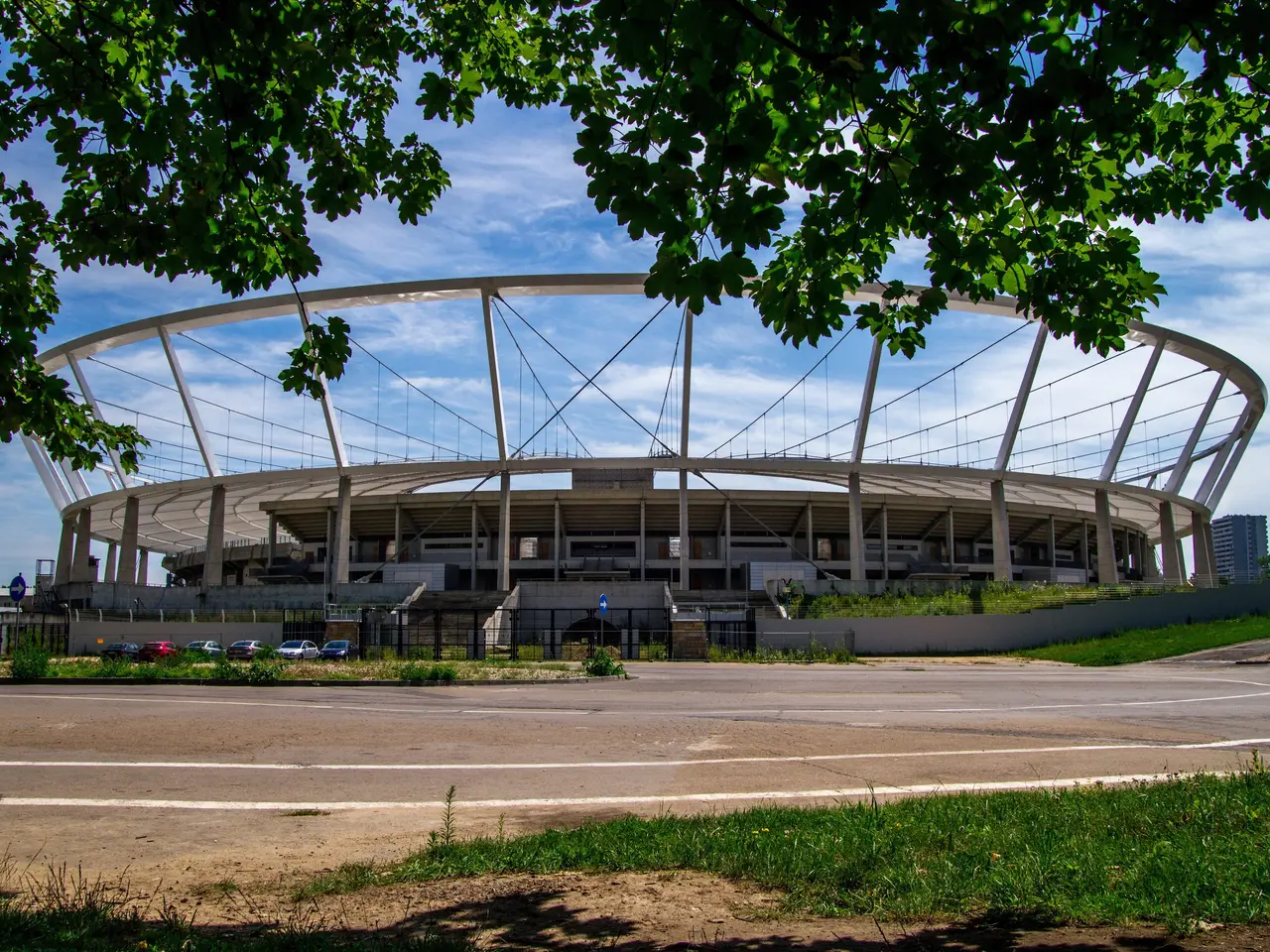
Having two fully functional large stadiums side by side would look odd, and the Senate knows it. That's why it brought HSV on board early: the club announced that the Volksparkstadion could not be saved in the medium term. As a result, HSV could well imagine relocating across the street after the Olympics—if they happen—to the shiny new Olympic Stadium.
HSV Plans to Expand Volksparkstadion
This announcement gave the Senate a boost for its bid. Sustainability has at least officially gained importance at the International Olympic Committee, which awards the Games, meaning purpose-built mega-structures are no longer looked upon favorably. Since the new stadium would serve as HSV's home ground and a major concert venue regardless of any Olympic bid, the red-green Senate can claim that nearly all the necessary sports facilities already exist—and aren't being built just for the Games.
But a closer look reveals the HSV cooperative's role: the club aims to raise up to €100 million through its formation. While not all the funds will go toward infrastructure, some will—further stadium modernizations are planned, and a feasibility study for an expansion to accommodate more spectators has already been commissioned.
So Far, Only Silence
How does all this fit together? While the Senate promotes its Olympic bid with a stadium that doesn't yet exist but supposedly will, the HSV cooperative is pouring money into a venue that could become obsolete in just ten years.
And more specifically: Is the stadium really on the brink of demolition when tens of millions of euros have just been spent on upgrades—and millions more from the cooperative are about to follow? Why would Hamburg need another large stadium if HSV isn't using it regularly? How realistic is it that the city will find a private investor to build the stadium without HSV as an anchor tenant? Would the city then be prepared to throw hundreds of millions down the drain just to secure the Olympics?
It would be nice if Hamburg's eligible voters got answers before the referendum. So far, though, there's been nothing but silence.
Read also:
- American teenagers taking up farming roles previously filled by immigrants, a concept revisited from 1965's labor market shift.
- Weekly affairs in the German Federal Parliament (Bundestag)
- Landslide claims seven lives, injures six individuals while they work to restore a water channel in the northern region of Pakistan
- Escalating conflict in Sudan has prompted the United Nations to announce a critical gender crisis, highlighting the disproportionate impact of the ongoing violence on women and girls.