How Prussia's Forgotten Mucker Trial Exposed Religious Persecution in the 1800s
A long-forgotten episode of religious persecution in 19th-century East Prussia has been brought to light by historian Christopher Clark. His latest book examines the so-called Mucker movement—a pietist controversy that escalated into a state-led smear campaign and show trial. At its centre were two clergymen, Johann Wilhelm Ebel and Georg Heinrich Diestel, whose teachings clashed with Prussian authorities. The roots of the conflict lay in the early 1820s, when Johann Heinrich Schönherr, a self-proclaimed Prophet of the Pregel, began preaching a dualistic, esoteric doctrine in Königsberg. His ideas drew followers, including Ebel, a pastor who blended faith with philosophy and gained a reputation as a marriage counsellor. By 1817, Prussia had merged its Lutheran and Calvinist churches into the Prussian Union, treating any deviation as sectarian—and thus a threat.
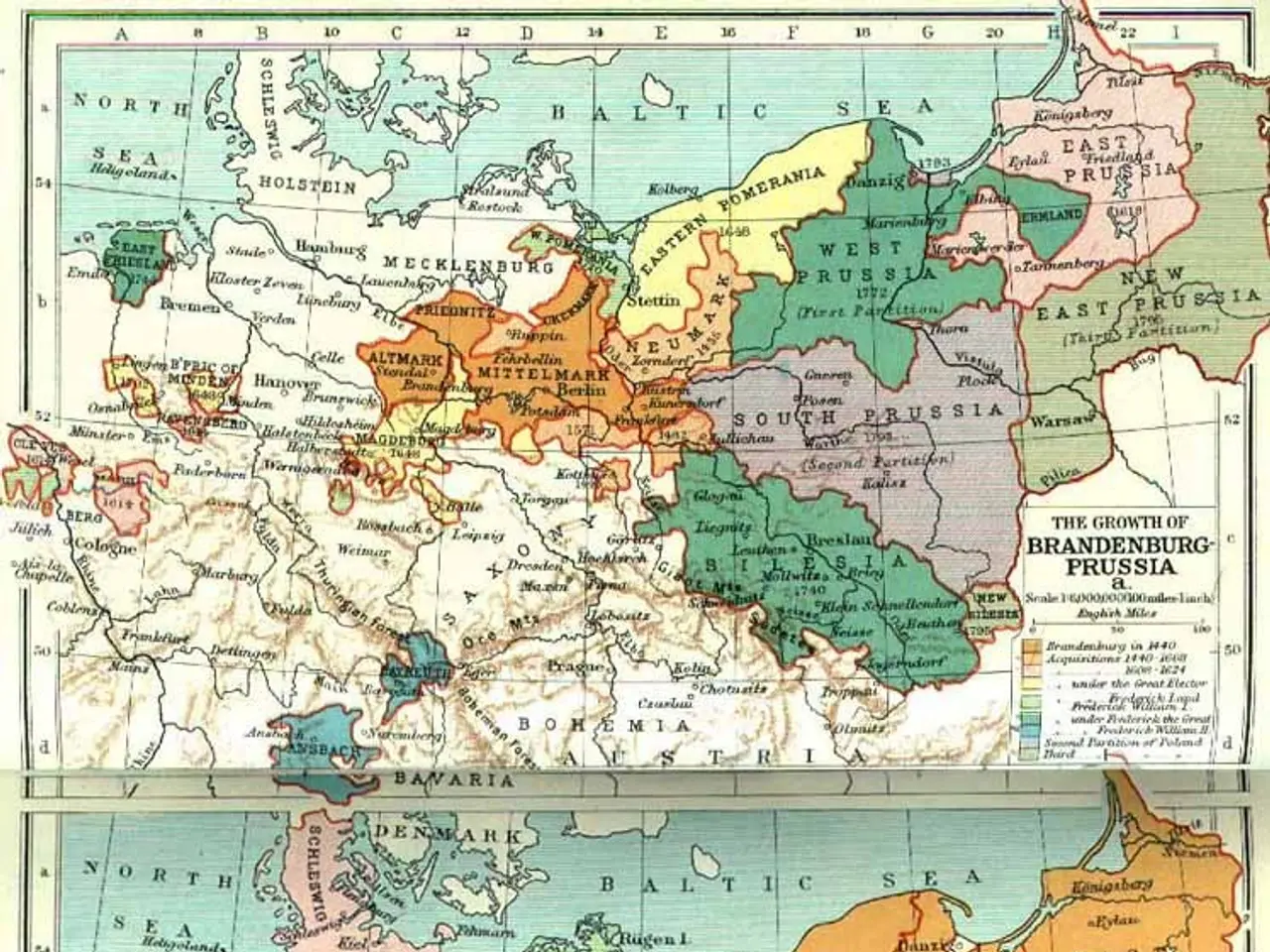
The government soon branded Ebel and Diestel's pietist circle as a dangerous sect, dubbing it the *Mucker* movement. Theodor Schön, the Oberpräsident of Prussia, spearheaded the crackdown. Without evidence, he indicted Diestel based on rumours, while Ebel was suspended from his post. The trial in 1839 convicted both men of founding a sect, despite no proof of immoral conduct. Clark's research reveals how authorities used defamation and media persecution to suppress dissent. The case unfolded in East Prussia—a region far from Berlin, where Königsberg lay 590 kilometres away, not the often-cited 700. Distance did little to shield the accused from the state's reach.
The Mucker affair exposes the mechanisms of repression in 19th-century Prussia, where religious nonconformity was criminalised. Clark's book restores a neglected chapter of history, showing how a pietist dispute became a tool for political control. The convictions of Ebel and Diestel stand as a stark example of institutional power silencing dissent.
Read also:
- American teenagers taking up farming roles previously filled by immigrants, a concept revisited from 1965's labor market shift.
- Weekly affairs in the German Federal Parliament (Bundestag)
- Landslide claims seven lives, injures six individuals while they work to restore a water channel in the northern region of Pakistan
- Escalating conflict in Sudan has prompted the United Nations to announce a critical gender crisis, highlighting the disproportionate impact of the ongoing violence on women and girls.