How X's algorithm shift fueled disinformation and political chaos under Musk
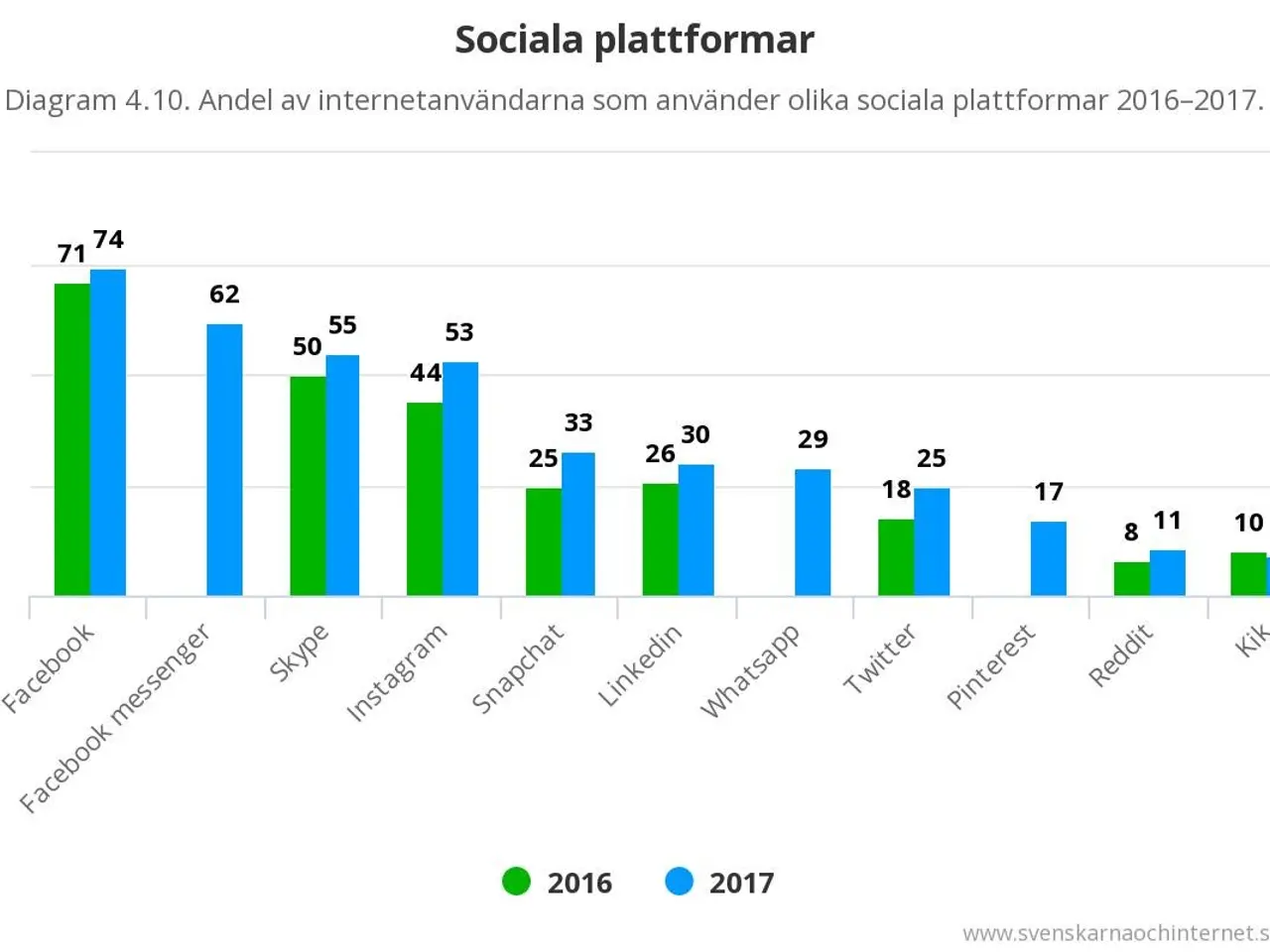
Twitter, now rebranded as X, has become a major platform for disinformation, according to the European Commission. The site's influence stretches far beyond its user base, shaping media debates and political campaigns. Yet its actual impact on public opinion remains limited compared to larger social networks.
The platform began in 2005 when Jack Dorsey, then at the podcasting company Odeo, proposed a microblogging service. On March 21 that year, he sent the first tweet. Twitter grew into a space where influential voices—journalists, politicians, and activists—set the agenda, often spilling discussions into mainstream media.
Elon Musk joined Twitter in 2009 as a user before buying the company in 2022 for $44 billion. After taking over, he cut half the workforce and reshaped the platform to reflect his personal views. The algorithm now favours conservative-leaning content, while hate speech and harmful posts have risen sharply. Musk's changes also worsened existing issues with user data collection, originally used for targeted ads. His relaxed moderation policies drew more political actors, from Trump's 2024 campaign to Bolsonaro's Brazilian supporters. Russian state media expanded its reach after the Ukraine invasion, and divisive U.S. political posts surged by 30% by 2025, per Pew Research. But crackdowns—like banning Turkish opposition accounts in 2023—and EU pressure pushed some governments, including Brazil in 2024, toward alternatives like Telegram or local apps. Despite its smaller user base, Twitter's role in amplifying voices remains significant. Yet studies suggest its political influence is often exaggerated, with only a minor effect on shaping broader opinions.
The European Commission has highlighted Twitter's role in spreading disinformation, while its algorithm shifts and policy changes continue to reshape political engagement. Governments and parties now weigh its usefulness against growing regulatory risks, with some already moving to other platforms. The site's future depends on balancing free expression with accountability under increasing scrutiny.
Read also:
- American teenagers taking up farming roles previously filled by immigrants, a concept revisited from 1965's labor market shift.
- Weekly affairs in the German Federal Parliament (Bundestag)
- Landslide claims seven lives, injures six individuals while they work to restore a water channel in the northern region of Pakistan
- Escalating conflict in Sudan has prompted the United Nations to announce a critical gender crisis, highlighting the disproportionate impact of the ongoing violence on women and girls.