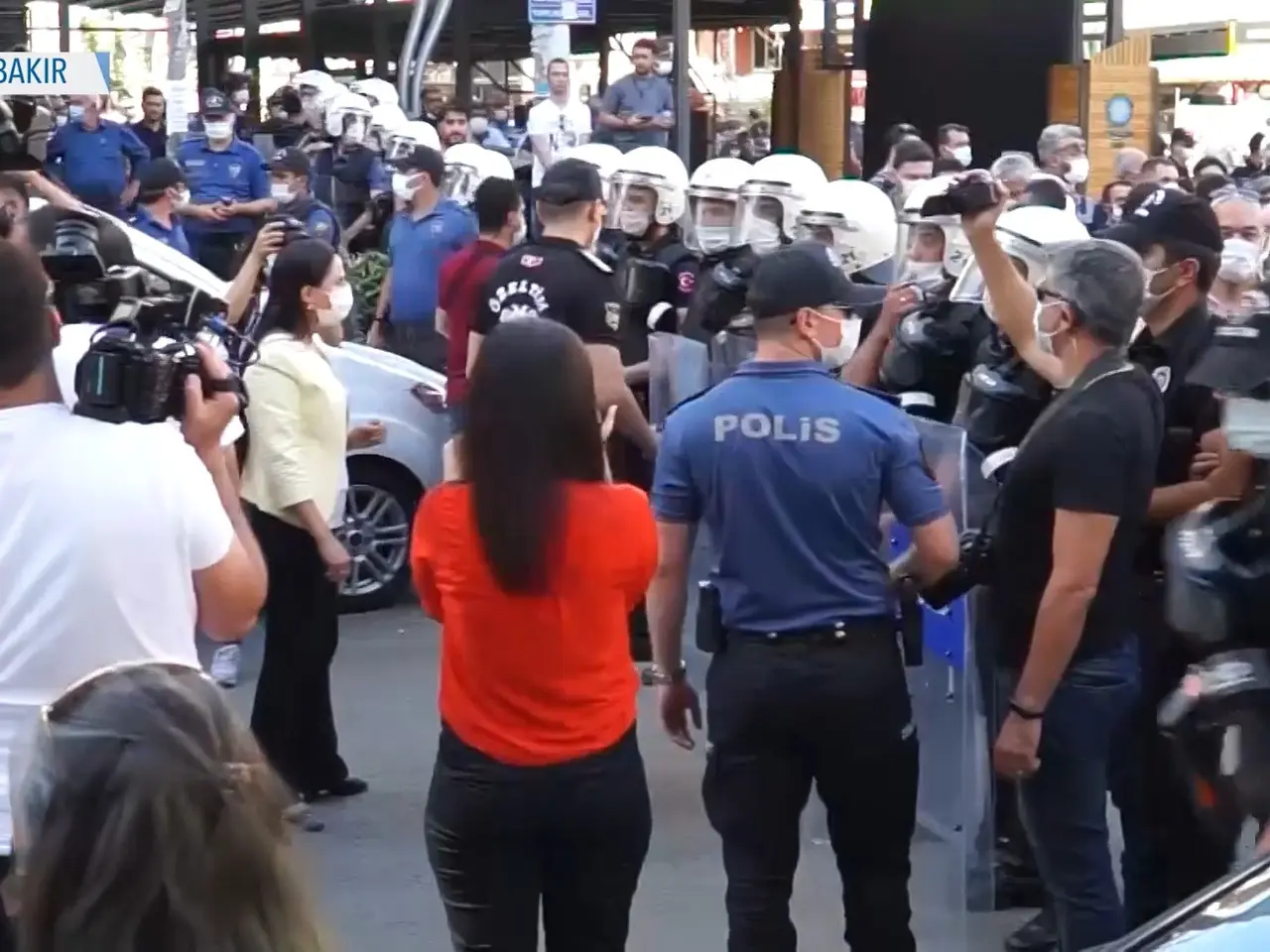
Istanbul's May Day protests met with police crackdowns and mass arrests
May Day protests in Istanbul faced heavy restrictions as police clamped down on demonstrators. Taksim Square, a historic rallying point, remained off-limits to crowds despite repeated attempts by protesters to gather there. Authorities enforced strict measures from the early hours of the day.
Police sealed off access to Taksim Square before dawn. Barricades were erected, and movement in surrounding areas was tightly controlled. Despite the restrictions, groups of protesters tried to march toward the square, leading to confrontations.
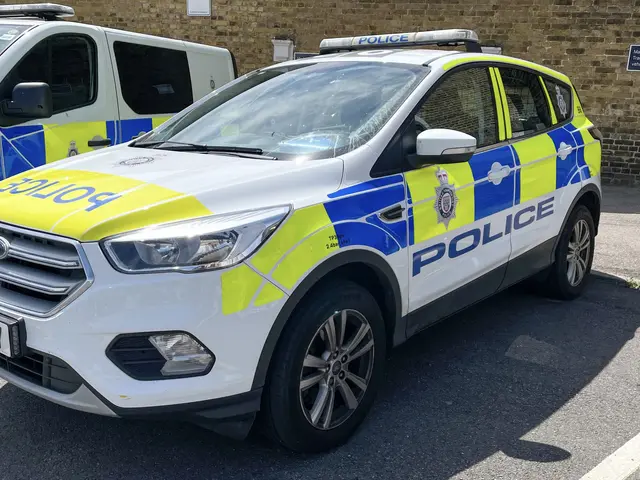
The most intense clashes happened in districts where demonstrators pushed forward. Officers intervened each time crowds attempted to break through. By midday, around 350 people had been detained across Istanbul. Every year, some activists insist on gathering at Taksim, despite official bans. Authorities have long prohibited large demonstrations in the square, instead directing unions to alternative venues. This year’s protests followed the same pattern, with strict limitations in place from the start.
Hundreds were arrested as police maintained a firm stance against unauthorised gatherings. The crackdown highlights the ongoing tension over May Day rallies in Taksim Square. Demonstrators continue to challenge the restrictions, but access remains tightly controlled by authorities.
Read also:
- American teenagers taking up farming roles previously filled by immigrants, a concept revisited from 1965's labor market shift.
- Weekly affairs in the German Federal Parliament (Bundestag)
- Landslide claims seven lives, injures six individuals while they work to restore a water channel in the northern region of Pakistan
- Escalating conflict in Sudan has prompted the United Nations to announce a critical gender crisis, highlighting the disproportionate impact of the ongoing violence on women and girls.