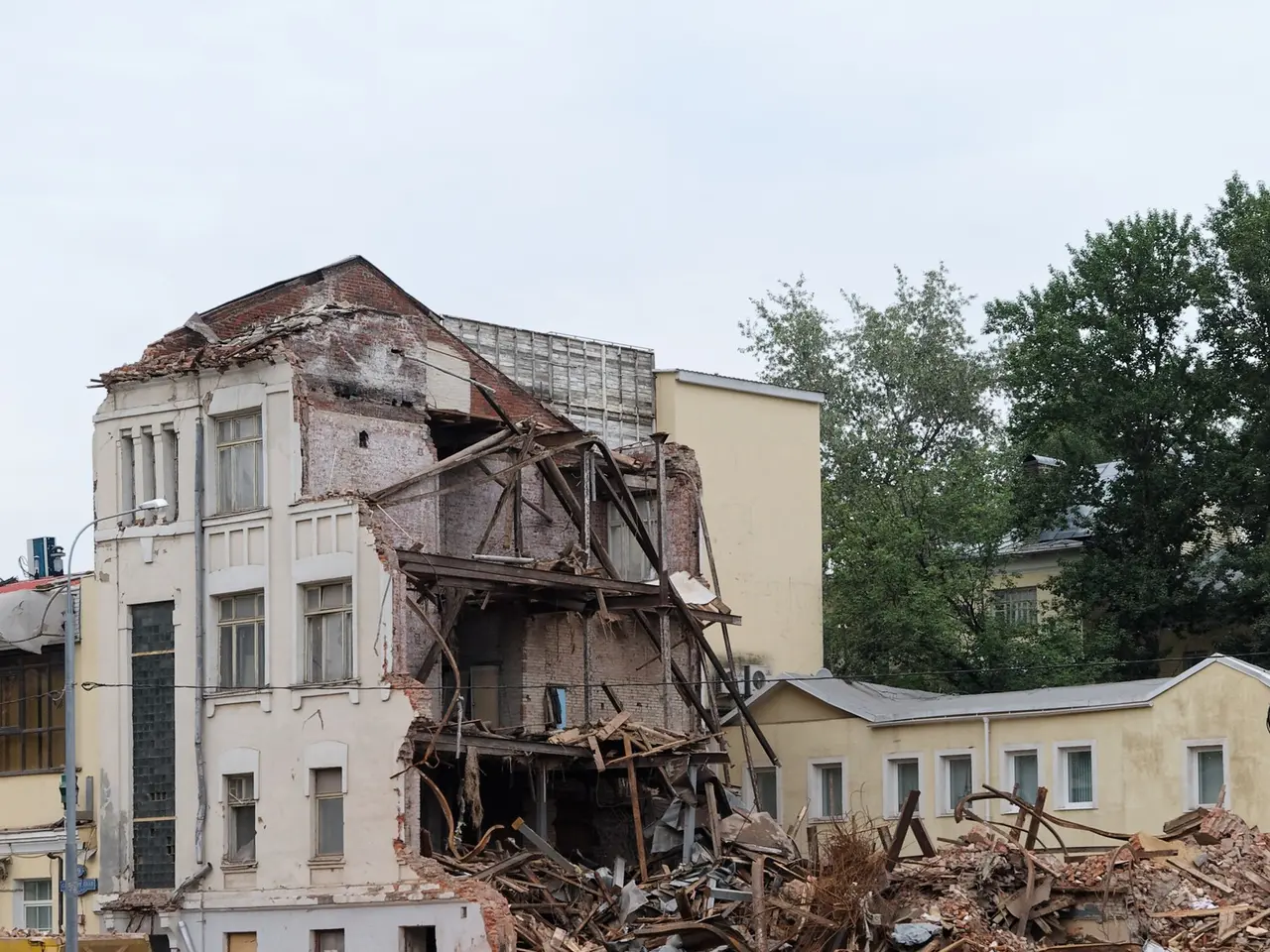
Kathmandu's riverbank evictions displace thousands amid legal backlash
Authorities in Kathmandu have begun demolishing informal settlements along the Bagmati river and its tributaries. The operation has displaced thousands of residents, with over 1,800 families registered as squatters in the area. Many have lived there for decades before the clearances started. The demolitions targeted around 3,500 houses and structures, affecting roughly 25,000 people. Police maintained a heavy presence, but the process remained peaceful as residents packed belongings into small trucks.
Nepal’s Prime Minister, Balendra Shah, defended the action on social media, stating the clearances followed legal procedures. He also pledged to provide safe, dignified, and permanent housing for landless citizens. However, the Supreme Court later issued a show-cause order to the government after petitions challenged the evictions. Outgoing UN housing expert Balakrishnan Rajagopal raised concerns about forced removals. Meanwhile, 794 of the 1,816 registered squatter families have been moved to government holding centres.
The evictions have displaced long-term residents from the riverbanks. Officials insist the process is lawful and promise housing solutions. The Supreme Court’s intervention adds legal scrutiny to the government’s approach.
Read also:
- American teenagers taking up farming roles previously filled by immigrants, a concept revisited from 1965's labor market shift.
- Weekly affairs in the German Federal Parliament (Bundestag)
- Landslide claims seven lives, injures six individuals while they work to restore a water channel in the northern region of Pakistan
- Escalating conflict in Sudan has prompted the United Nations to announce a critical gender crisis, highlighting the disproportionate impact of the ongoing violence on women and girls.