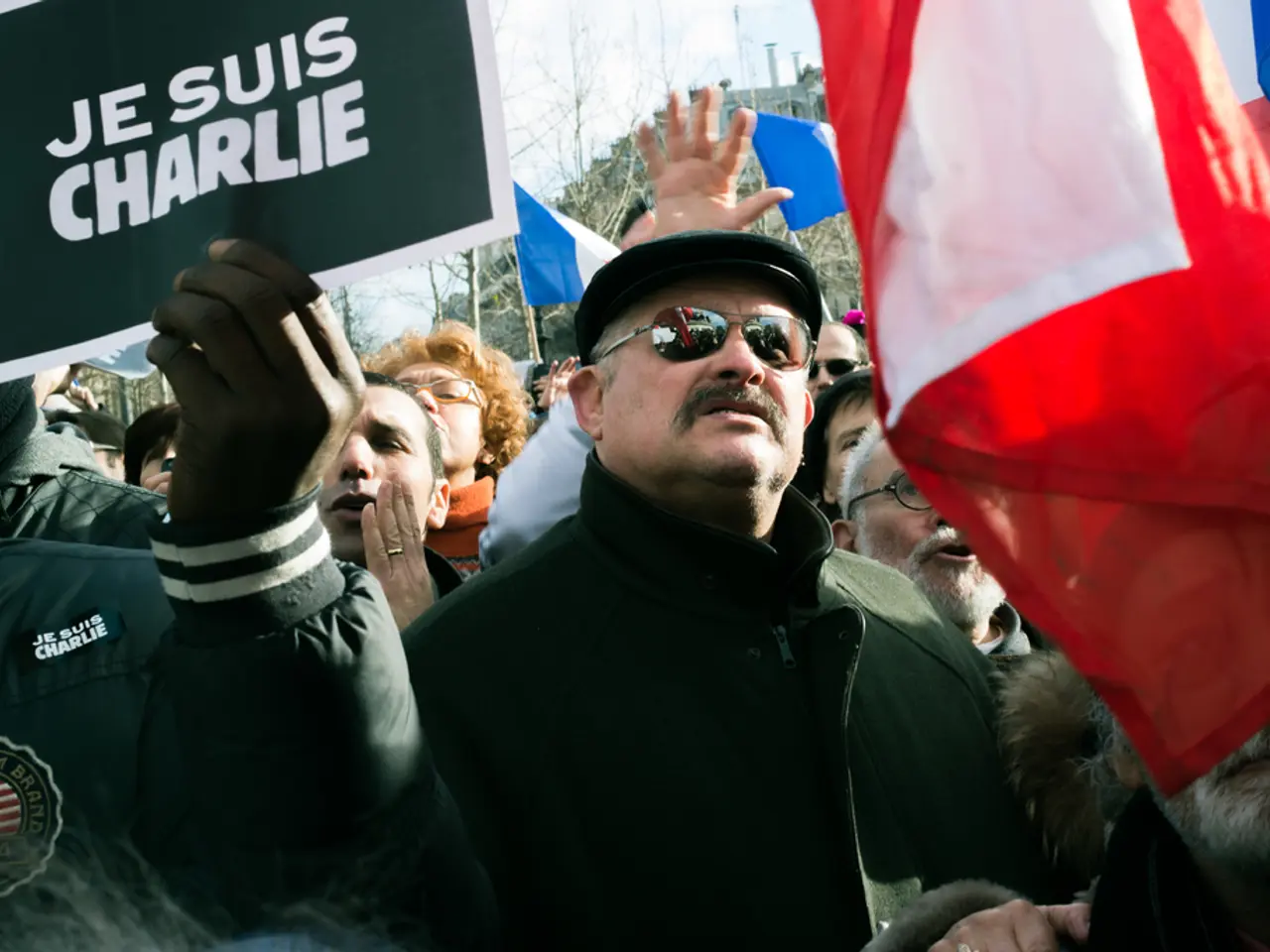
Latvia’s Istanbul Convention exit sparks political chaos and mass protests
Political tensions have risen in Latvia over the potential denunciation of the Istanbul Convention. The Minister of Justice has slammed opposition parties for their handling of the issue, likening it to a banana peel they've slipped on. President Edgars Rinkēvičs has requested a second reading of the law, while the Minister suggests leaving the decision to the next parliamentary term.
On Thursday, November 4, a significant number of political parties, including the right-populist 'Latvia First' and the governing coalition's 'Union of Greens and Farmers' (ZZS), supported the withdrawal from the Istanbul Convention. However, the Minister of Justice has criticized this move, stating that opposition parties have handled the issue in a 'childish and irresponsible' manner.
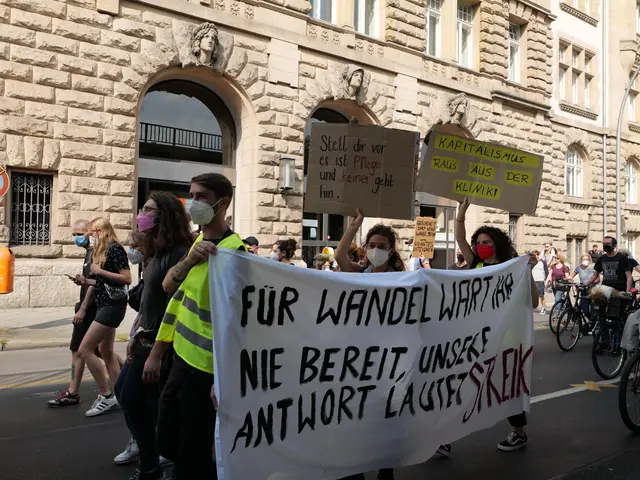
The Minister believes that the ongoing protests against the denunciation, with nearly 67,000 people signing the 'ManaBalss.lv' appeal, are specially designed. She expects support for a 'democratic Latvia, respectful of human rights' in the next elections, ensuring the Convention's continuation. The Minister also believes that a politician's worth is shown by their ability to change their position on the issue.
The Minister of Justice has expressed her belief that it is not the right time to discuss the denunciation of the Istanbul Convention. She hopes that MPs will focus on societal issues that 'burn for all together'. Meanwhile, President Edgars Rinkēvičs has requested a second reading of the law, and the Minister suggests leaving the decision to the next parliamentary term. The Minister's comments come as nearly 67,000 people have signed an appeal to the President not to sign the withdrawal law.
Read also:
- American teenagers taking up farming roles previously filled by immigrants, a concept revisited from 1965's labor market shift.
- Weekly affairs in the German Federal Parliament (Bundestag)
- Landslide claims seven lives, injures six individuals while they work to restore a water channel in the northern region of Pakistan
- Escalating conflict in Sudan has prompted the United Nations to announce a critical gender crisis, highlighting the disproportionate impact of the ongoing violence on women and girls.