Malaysia extends social security to cross-border workers starting 2026
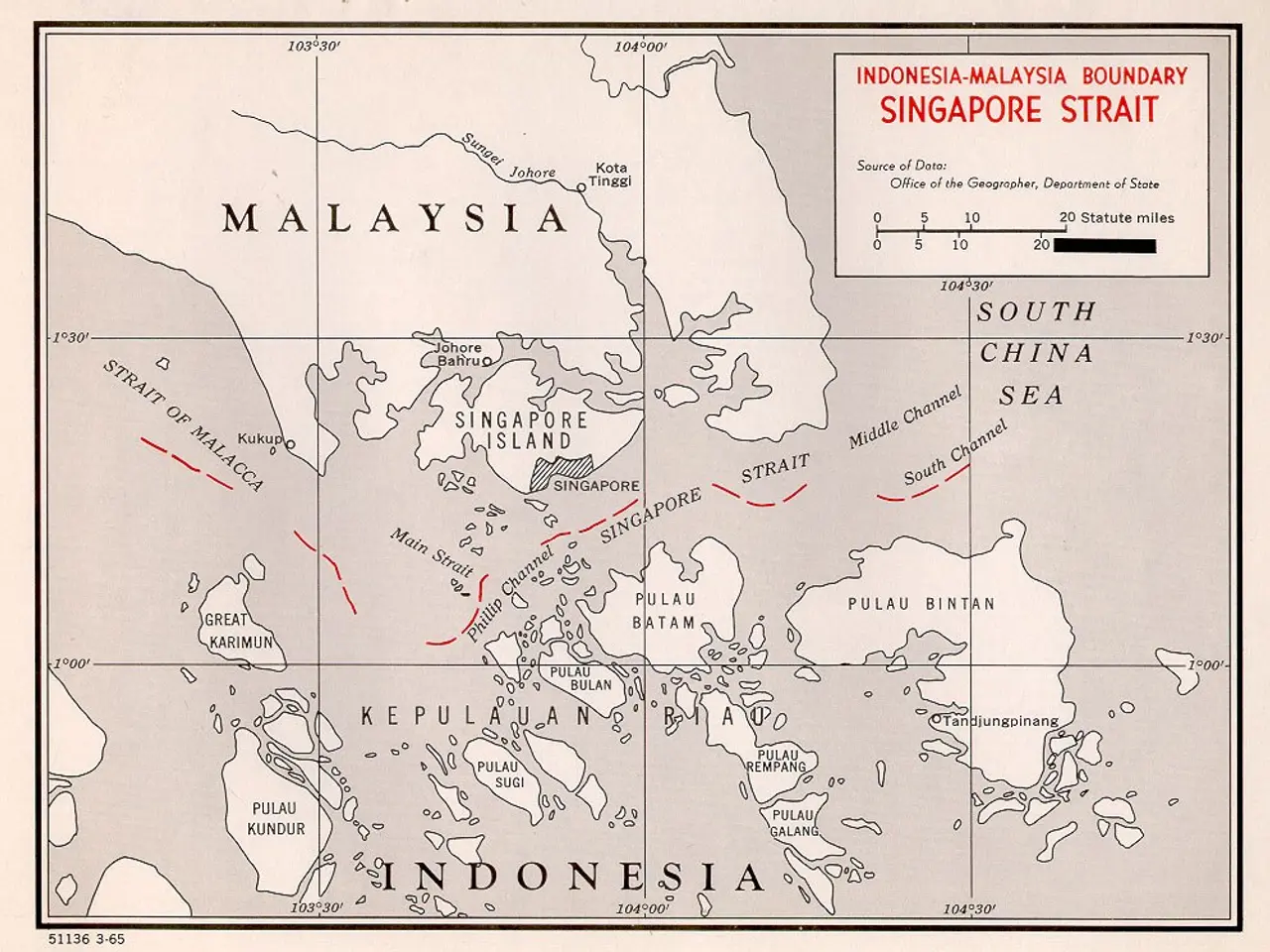
The Malaysian government will extend social security protection to Malaysians working abroad, starting with those commuting between Malaysia and Singapore. Prime Minister Datuk Seri Anwar Ibrahim announced the change at the 2026 National Labour Day event, calling it a key step to safeguard cross-border workers. The amendment to the Self-Employment Social Security Act 2017 will bring over 480,000 Malaysia-Singapore cross-border workers under Perkeso coverage. Many of these workers face long daily journeys, such as Muhammad Amyrul Syahwan Abdullah, a logistics assistant who travels 49 kilometres by public transport. Another, Luqman Khafa, commutes 35 kilometres daily by motorcycle.
The move follows concerns over workplace risks, with data showing one Malaysian cross-border worker dies every week—around 54 fatalities annually. Amyrul described the policy as timely, given current labour market uncertainties. Muhd Syafiq, employed in Singapore’s pharmaceutical sector, hopes the change will raise risk awareness among fellow workers. Cross-border employees have welcomed the initiative, which aims to provide them with the same protections as domestic workers.
The policy will first apply to Malaysia-Singapore commuters before expanding to other overseas workers. With over 480,000 people set to benefit, the government expects the amendment to reduce risks and improve financial security for this group. The change reflects growing recognition of the challenges faced by cross-border employees.
Read also:
- American teenagers taking up farming roles previously filled by immigrants, a concept revisited from 1965's labor market shift.
- Weekly affairs in the German Federal Parliament (Bundestag)
- Landslide claims seven lives, injures six individuals while they work to restore a water channel in the northern region of Pakistan
- Escalating conflict in Sudan has prompted the United Nations to announce a critical gender crisis, highlighting the disproportionate impact of the ongoing violence on women and girls.