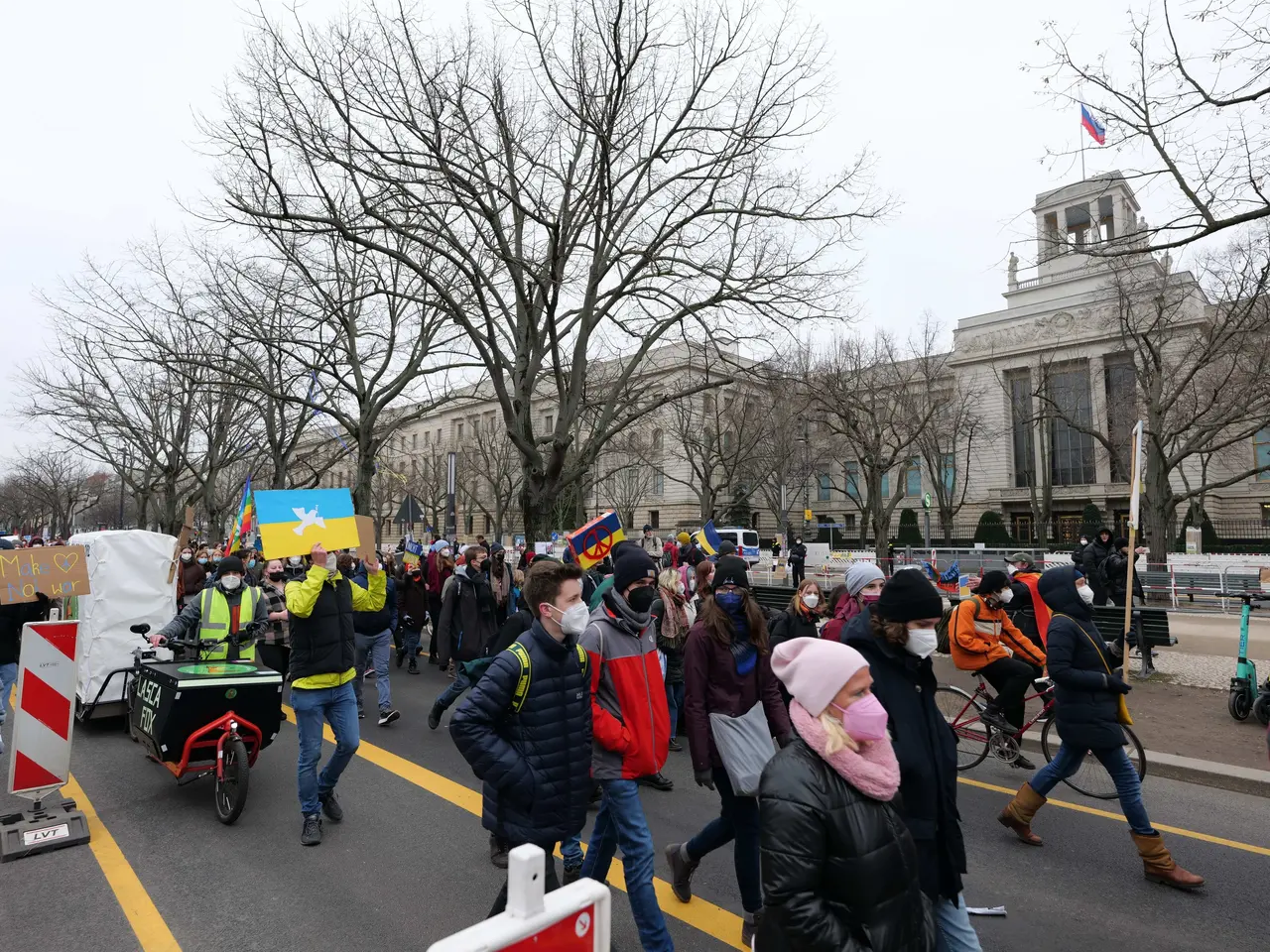
Thousands rally in LA for May Day, demanding labor rights and economic justice
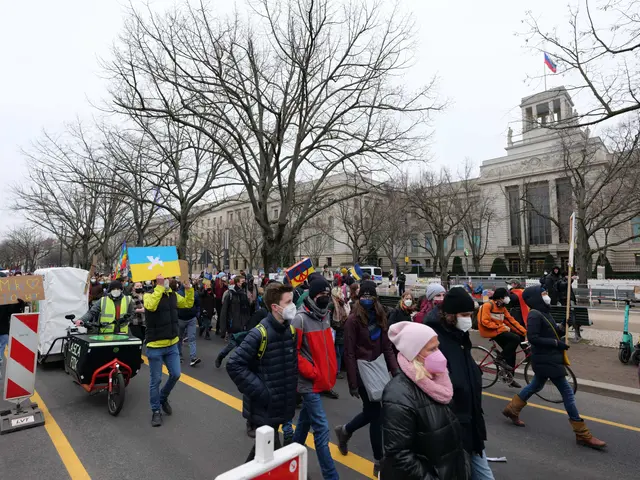
Thousands took to the streets of Los Angeles on Friday to mark International Workers’ Day. The demonstration, named May Day Strong, began in MacArthur Park and ended at City Hall with calls for labour rights and economic justice.
The event also commemorated the 20th anniversary of the *Day Without Immigrants* protest in 2006. While largely peaceful, tensions briefly rose as demonstrators clashed with police, though no arrests were reported by early evening.
The tradition of International Workers’ Day in the U.S. dates back to the 1880s labour movement. The first major rally was held in Chicago, where workers demanded an eight-hour workday. Over a century later, Friday’s march echoed those early struggles.
Demonstrators chanted slogans like *No justice, no peace* and *This is what democracy looks like*. Their demands included an end to corporate greed, the war in Iran, and immigration raids. Many also highlighted rising costs for food and fuel, as well as labour shortages in agriculture caused by deportation sweeps. Organisers urged a general boycott—no work, no school, no shopping—to push for higher taxes on the wealthy. They argued that the country must prioritise workers over billionaires. Despite some confrontations with the Los Angeles Police Department, the protest remained largely orderly.
The demonstration brought together labour activists, immigrants, and community groups under a shared call for fairness. With no arrests reported, the event concluded as a visible show of solidarity. The demands—from tax reform to immigration rights—reflect ongoing struggles for economic and social change.
Read also:
- American teenagers taking up farming roles previously filled by immigrants, a concept revisited from 1965's labor market shift.
- Weekly affairs in the German Federal Parliament (Bundestag)
- Landslide claims seven lives, injures six individuals while they work to restore a water channel in the northern region of Pakistan
- Escalating conflict in Sudan has prompted the United Nations to announce a critical gender crisis, highlighting the disproportionate impact of the ongoing violence on women and girls.