Trump slaps 25% tariffs on EU cars, sparking backlash from Germany
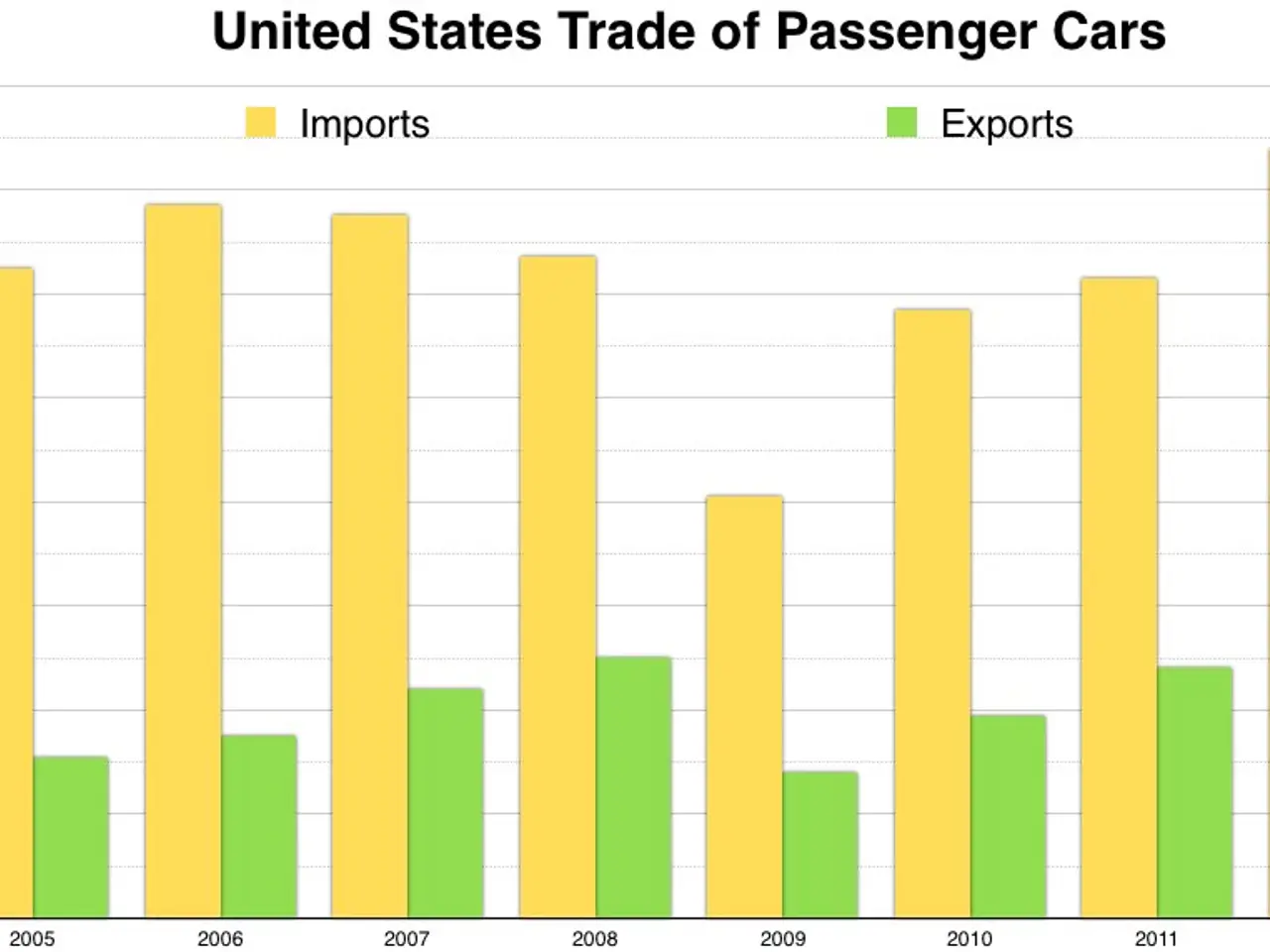
U.S. President Donald Trump has announced a 25% tariff on cars and trucks imported from the European Union. The new rate will take effect next week, with Trump claiming the EU has failed to uphold its trade commitments. German and European officials have responded with sharp criticism, warning of economic consequences and potential retaliation. Trump accused German automakers, including Mercedes-Benz and BMW, of exploiting American consumers. He argued that higher tariffs would push the EU to move production to the U.S. faster, calling the measure a necessary step to correct trade imbalances.
Economists have raised concerns about the impact on Germany’s economy. Marcel Fratzscher, a leading economist, warned that the tariffs could further weaken German growth. He also accused Trump of interpreting Europe’s past concessions as weakness, urging EU leaders to take a firmer stance. The European Commission has reaffirmed its commitment to a balanced transatlantic trade relationship. However, it also reserved the right to take countermeasures if the U.S. violates existing agreements. A spokesperson stressed that the EU would protect its interests if necessary. German industry groups and EU officials have condemned the planned tariff hike. They argue that it undermines cooperation and risks escalating trade tensions further.
The new tariffs are set to begin next week, marking another step in the ongoing trade dispute. The EU has signalled it may respond with its own measures if the U.S. proceeds. German economists and policymakers now face the challenge of mitigating potential damage to the country’s automotive sector and broader economy.
Read also:
- American teenagers taking up farming roles previously filled by immigrants, a concept revisited from 1965's labor market shift.
- Weekly affairs in the German Federal Parliament (Bundestag)
- Landslide claims seven lives, injures six individuals while they work to restore a water channel in the northern region of Pakistan
- Escalating conflict in Sudan has prompted the United Nations to announce a critical gender crisis, highlighting the disproportionate impact of the ongoing violence on women and girls.