Merkel slams far-right AfD as 'xenophobic' and defends 2015 refugee policy
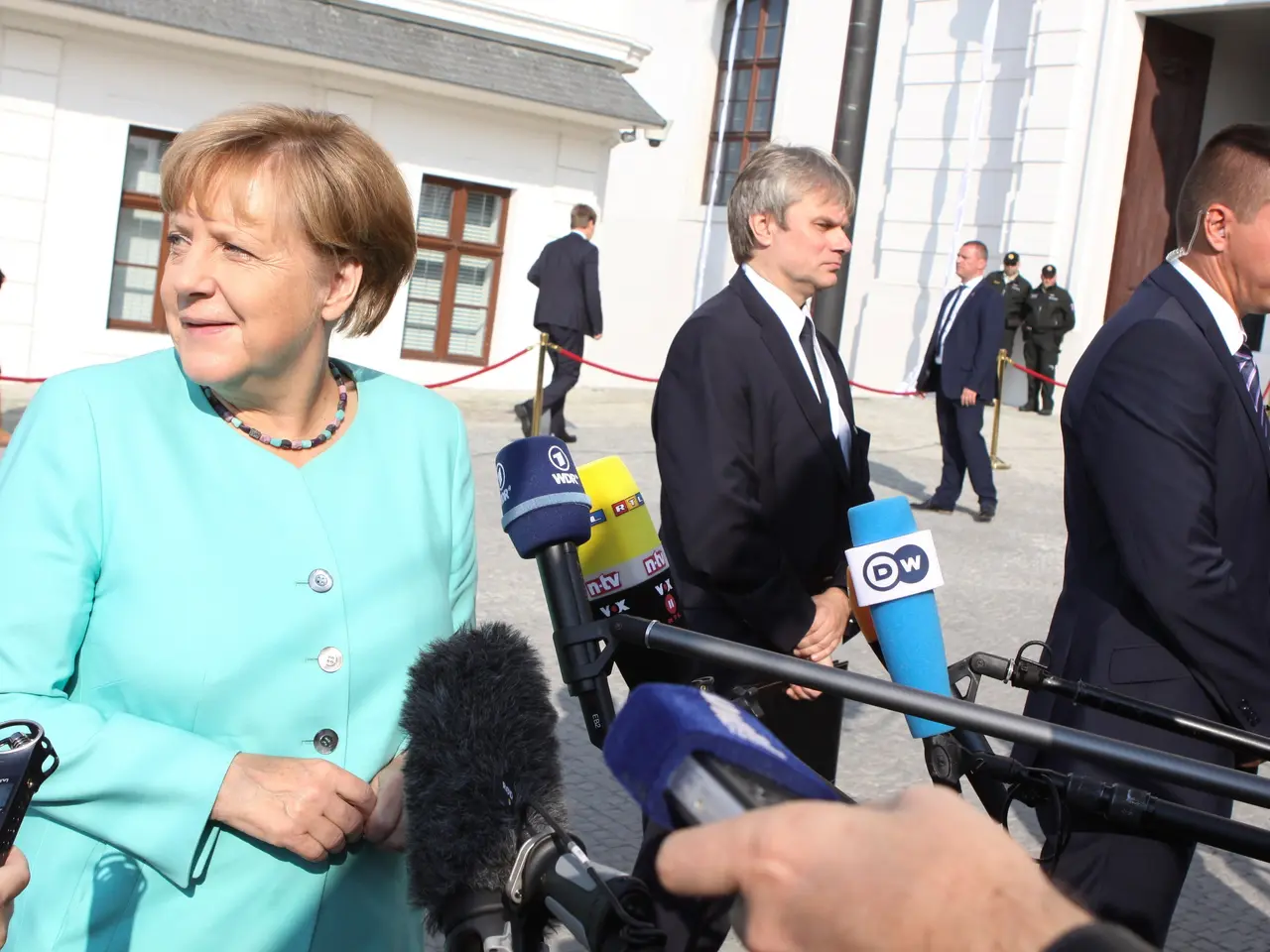
Former Chancellor Angela Merkel has spoken out against the far-right AfD, calling its behaviour populist, xenophobic, and hateful. In a recent discussion, she also defended her 2015 decision to keep Germany’s borders open to refugees. Her comments came as she reflected on political challenges today compared to past decades. Merkel made it clear she would never cooperate with the AfD. She described the party’s approach as harmful but stopped short of saying whether it should be banned. Instead, she stressed that Germany remains a strong democracy despite the AfD’s rise.
She also addressed criticism of her 2015 refugee policy. Merkel reaffirmed that refugees must be treated humanely and in line with German law. Closing borders, she argued, was never an option. The former chancellor noted that politics now faces far more scrutiny than in the 1970s and 1980s. She criticised the media’s focus on disputes between the CDU/CSU and the SPD, calling it excessive. At the same time, she urged politicians to embrace debate as a way to find solutions. For Merkel, compromise is key to managing diversity and building majorities. Without it, she warned, political progress becomes impossible.
Merkel’s remarks highlight her long-standing position on refugees and democracy. She insists on humane treatment under the law and rejects cooperation with the AfD. Her comments also underscore the ongoing tensions in German politics over migration and media coverage.
Read also:
- American teenagers taking up farming roles previously filled by immigrants, a concept revisited from 1965's labor market shift.
- Weekly affairs in the German Federal Parliament (Bundestag)
- Landslide claims seven lives, injures six individuals while they work to restore a water channel in the northern region of Pakistan
- Escalating conflict in Sudan has prompted the United Nations to announce a critical gender crisis, highlighting the disproportionate impact of the ongoing violence on women and girls.