Mexico's 2026 World Cup dreams crumble under infrastructure chaos and piracy
Mexico’s preparations for the 2026 World Cup are facing serious setbacks. Instead of showcasing the country’s strengths, the event has highlighted deep structural problems. From unfinished infrastructure to rising piracy and social unrest, organisers are struggling to address key challenges before the tournament begins.
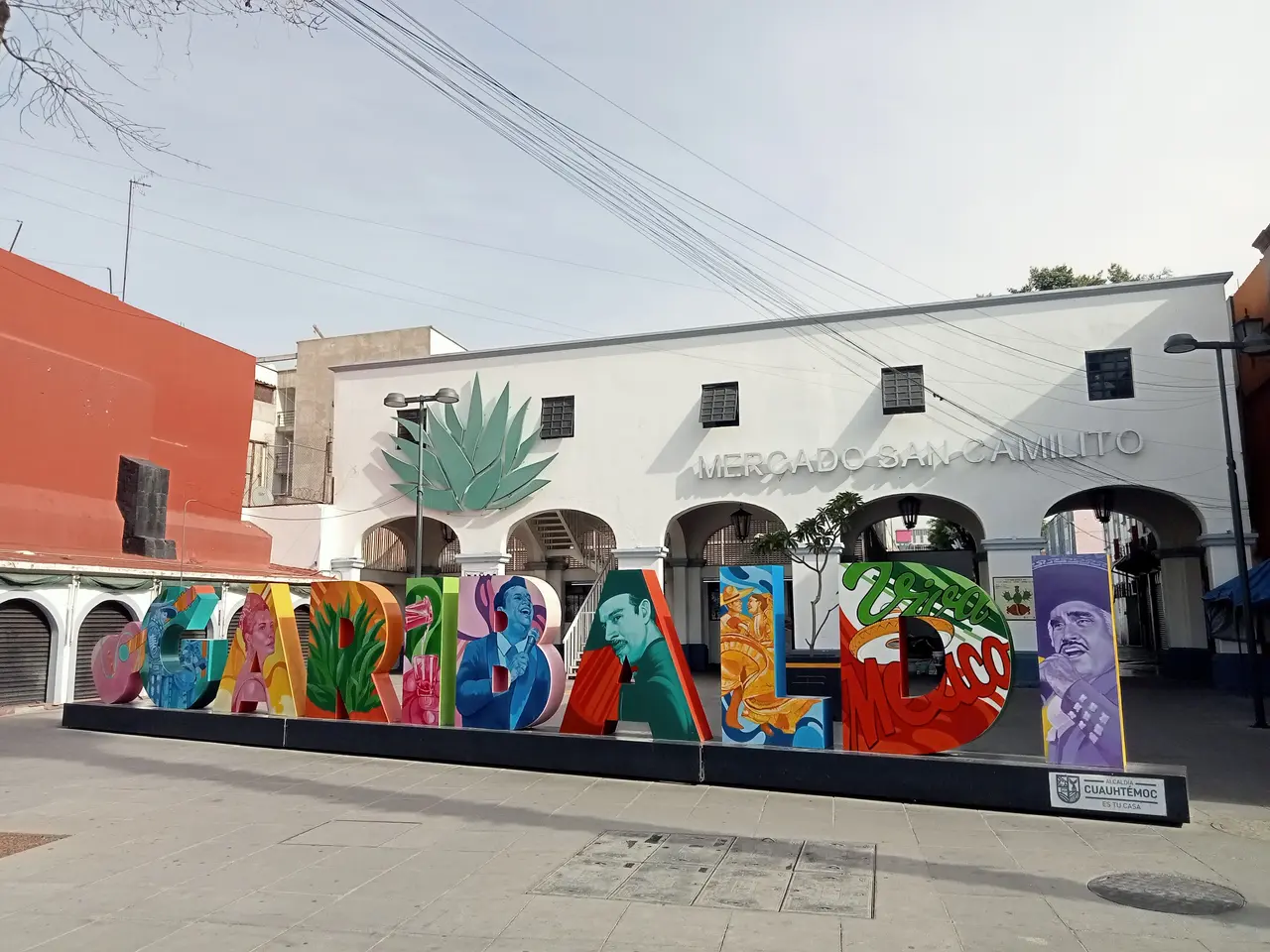
Infrastructure projects in Mexico City remain incomplete, leaving mobility around the host stadium in chaos. The Metro system and major routes like Calzada de Tlalpan have seen no meaningful upgrades, causing severe congestion. Meanwhile, efforts to attract tourists and create a festive atmosphere are almost non-existent, missing a chance to boost local economies.
Piracy has surged ahead of the World Cup, extending far beyond fake merchandise. Counterfeit tickets, illegal streaming sites, and fraudulent travel packages are now widespread. If unchecked, this could trigger economic penalties from FIFA, as Mexico is bound by strict anti-piracy agreements. Social tensions add another layer of risk. Protests by groups such as the CNTE teachers' union and families of missing persons may disrupt events, including the Fan Fest in the Zócalo. The government’s failure to negotiate solutions with these groups points to broader systemic weaknesses in handling public dissent. Even symbolic gestures have faltered. Mexico City’s attempt to promote the axolotl as a local World Cup mascot was rejected by FIFA, leaving the city without an official emblem for the tournament.
The 2026 World Cup was meant to be a moment of national pride for Mexico. Instead, unresolved infrastructure gaps, rampant piracy, and ongoing protests reveal deep-seated issues. Without swift action, these problems could overshadow the tournament and leave lasting economic and social consequences.
Read also:
- American teenagers taking up farming roles previously filled by immigrants, a concept revisited from 1965's labor market shift.
- Weekly affairs in the German Federal Parliament (Bundestag)
- Landslide claims seven lives, injures six individuals while they work to restore a water channel in the northern region of Pakistan
- Escalating conflict in Sudan has prompted the United Nations to announce a critical gender crisis, highlighting the disproportionate impact of the ongoing violence on women and girls.