Michelin-starred restaurants clash over food photography rules in Germany
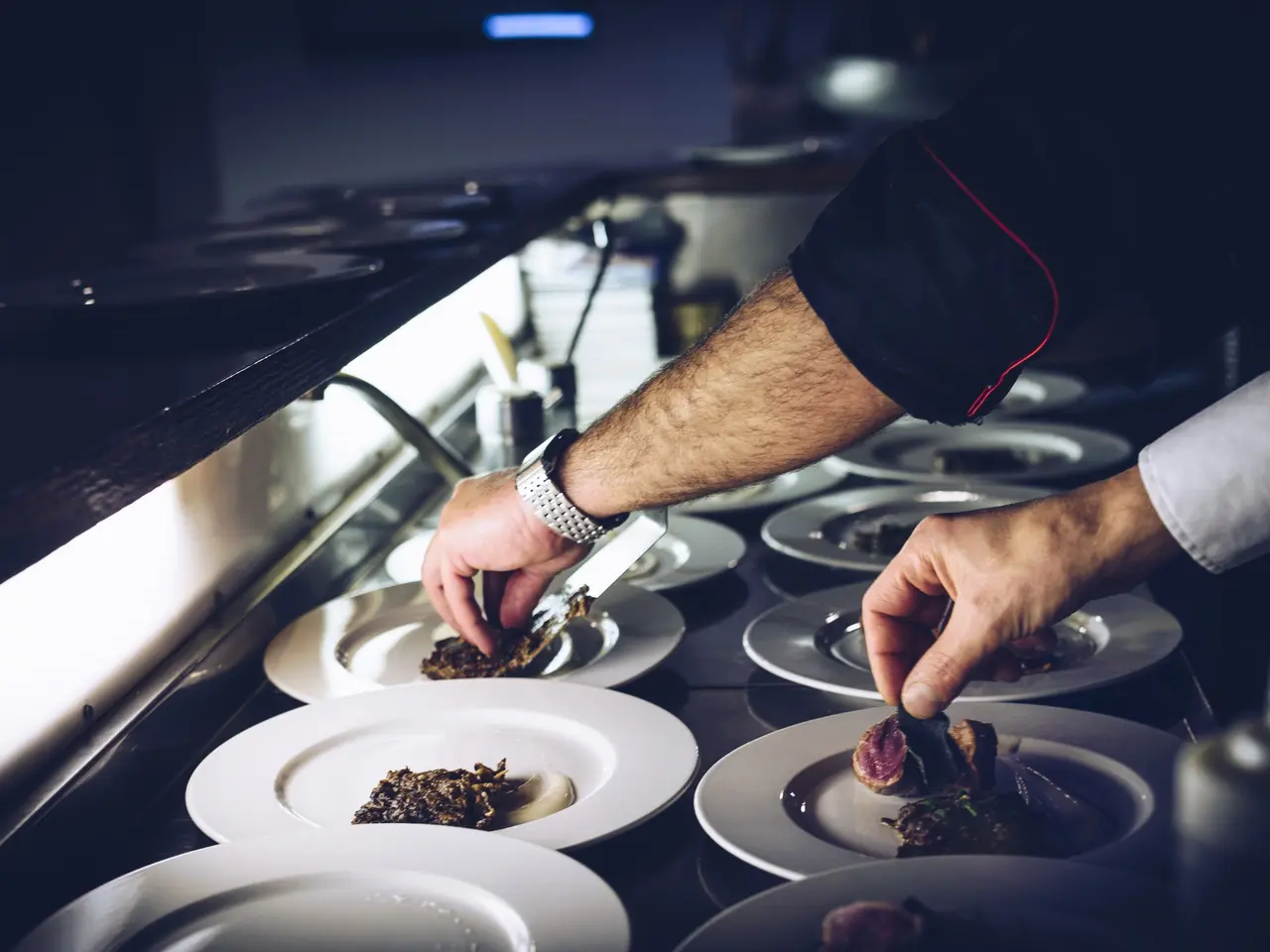
Food photography has become a staple of dining out, especially at high-end restaurants. Many guests now snap pictures of their meals to share on platforms like Instagram. Yet not all Michelin-starred venues welcome the trend, with policies varying widely across Germany’s top kitchens.
Some newer Michelin-starred spots, such as Sawito, take a relaxed stance on food photography. They allow it as long as it doesn’t disrupt other diners or the restaurant’s atmosphere. Meanwhile, established names like Alte Überfahrt and Kochzimmer prefer guests to keep phones away during meals. These venues trust patrons to judge when to put devices down, particularly during social moments.
Berlin’s *Nobelhart & Schmutzig* has gone further by setting clear guidelines for tableside photography. The rules aim to keep diners engaged with their companions rather than their screens. However, one guest recently cancelled a reservation in protest, arguing the policy was applied unfairly. The restaurant maintains its approach, while other high-end venues, like *Rutz*, see the debate as a chance to discuss dining etiquette with guests. Celebrity chef Tim Raue supports respectful phone use in his restaurants. He welcomes food photography that doesn’t interfere with the ambiance. High-profile guests, though, are often exempt from such rules to protect their privacy.
The divide over food photography reflects broader shifts in dining culture. Some restaurants embrace the trend, while others prioritise an uninterrupted experience. For now, each venue sets its own balance between sharing meals online and savouring them in person.
Read also:
- American teenagers taking up farming roles previously filled by immigrants, a concept revisited from 1965's labor market shift.
- Weekly affairs in the German Federal Parliament (Bundestag)
- Landslide claims seven lives, injures six individuals while they work to restore a water channel in the northern region of Pakistan
- Escalating conflict in Sudan has prompted the United Nations to announce a critical gender crisis, highlighting the disproportionate impact of the ongoing violence on women and girls.