Mönchengladbach's Webschulstraße to Become a Car-Free Campus Boulevard by 2029
A 400-Meter Stretch Along Webschulstraße to Be Transformed into a Vibrant "Campus Boulevard"
The 400 meters of Webschulstraße between the university buildings on Rheydter Straße and the Knowledge and Innovation Campus (WICMG) on Theodor-Heuss-Straße currently serve as little more than a functional traffic route. But under an ambitious redesign, this stretch is set to become a defining space for Mönchengladbach's education and innovation hub. Plans for the so-called Campus Boulevard are now under political review, with the city council scheduled to vote on the project on May 15.
The initiative is a long-awaited cornerstone for the university district, which the city aims to realize using structural transformation funding. "The Campus Boulevard will become an attractive landmark in Mönchengladbach and a true asset for our academic community," said Mayor Felix Heinrichs. "It will bridge the urban divide between the university and the Knowledge and Innovation Campus, symbolizing how we are weaving together education, research, innovation, and entrepreneurship in our city. This is a key step in transitioning Mönchengladbach's economic profile toward more knowledge-based jobs as part of our structural shift."
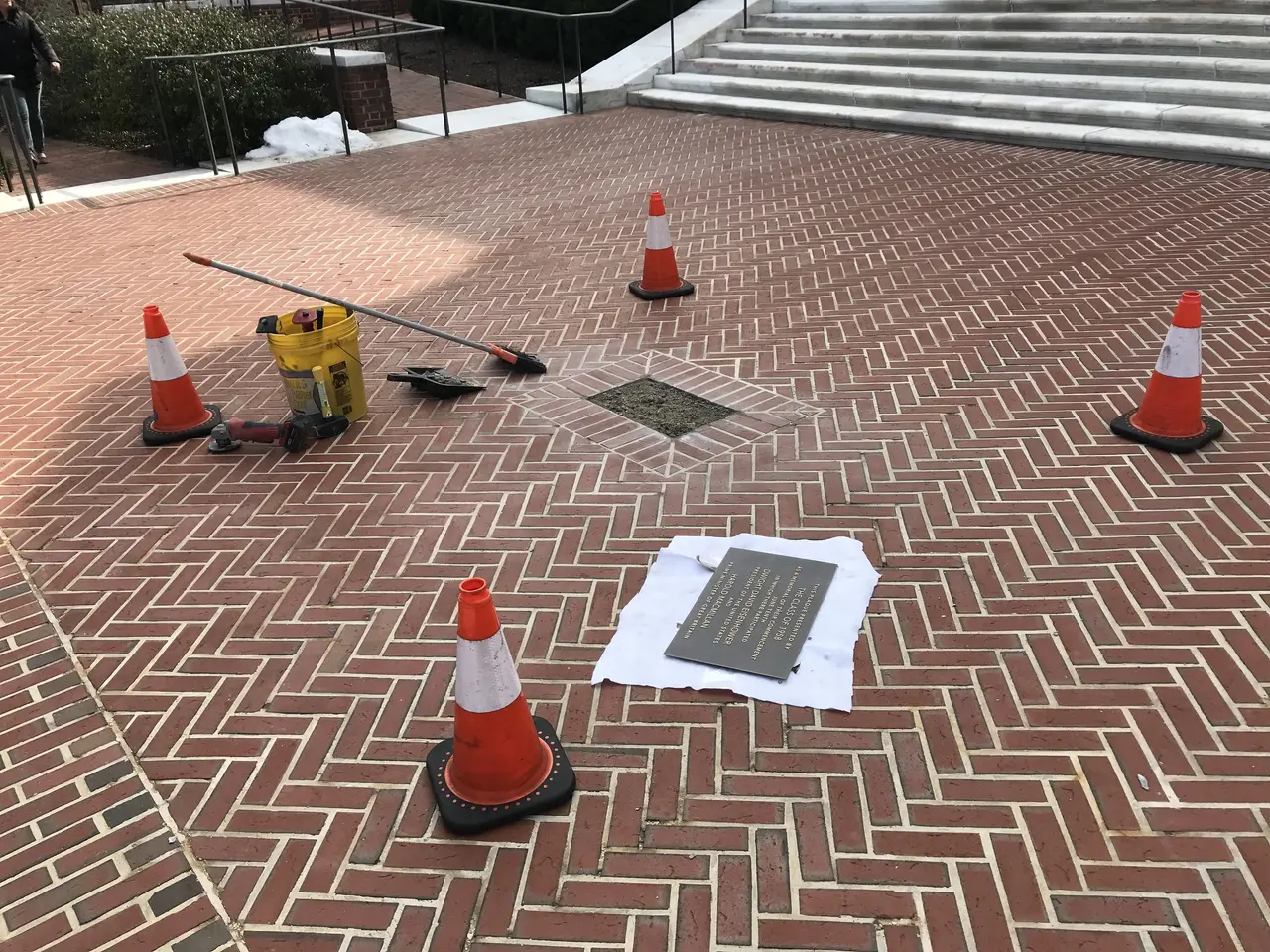
In the future, Webschulstraße will present itself as a cohesive Campus Boulevard, featuring a clearly structured sequence of pathways and plazas. Distinct paving patterns will create a tapestry-like design, nodding to the site's textile heritage. New green spaces, planters, ample seating, and a traffic-calmed, barrier-free layout will transform the street into an ecologically valuable and inviting promenade—ideal for strolling and lingering.
Along both sides, trees, partially unpaved grass-paver surfaces, and benches will alternate with recurring green islands as a central design element. Perennial plant beds with integrated seating will encourage outdoor exchange, learning, and socializing, while flexible event and stage areas will add versatility. Special lighting fixtures and public art will further enhance the street's aesthetic appeal.
The boulevard's centerpiece will be the area in front of the historic red-brick building housing the Textile and Clothing Technology department (numbers 26–34), where many design elements—alongside outdoor dining spaces—will converge. The new street design will extend to the area in front of the Knowledge and Innovation Campus, creating an urban link across Theodor-Heuss-Straße. A new traffic light will ensure safe pedestrian crossing of the four-lane road and be integrated into the green-wave timing system.
A Low-Traffic Zone with Revised Traffic Flow
The redesign will establish a car-restricted boulevard prioritizing pedestrians and cyclists. Vehicle access from Richard-Wagner-Straße into Webschulstraße will be closed at the intersection. In return, the one-way restriction on Webschulstraße between Rheydter Straße and Theodor-Heuss-Straße will be lifted, ensuring all properties, driveways, and garages remain accessible to residents.
Parking will also be completely reorganized. Many spaces will be relocated from the boulevard to other areas. For instance, additional parking will be created along Webschulstraße from the Theodor-Heuss-Straße intersection to Südstraße 28, made possible by a planned one-way system that frees up space for perpendicular parking. Overall, the total number of parking spots will decrease from 151 to 137, with one additional space reserved for resident parking.
The redesign of Richard-Wagner-Straße and the preservation of numerous parking spaces address two key priorities raised by residents during two public information sessions and an online consultation held since November 2025. "The boulevard creates more space for people while keeping the needs of local residents in mind. Many suggestions from the public engagement process have been incorporated into the final design, and their influence is clearly visible in the result," says Claudia Schwan-Schmitz, the city's technical deputy mayor.
Total costs for the Campus Boulevard project amount to approximately €6.9 million, with 97.5 percent of the funding expected to come from the "Empowering Post-Mining Regions" grant program as part of the structural transition initiative. Following the political decision, the administration is now preparing the funding application, which is set to be submitted in the second quarter of this year. If approved later in 2026 and the necessary budgetary funds are allocated, construction is scheduled to take place between 2027 and 2029.
Read also:
- American teenagers taking up farming roles previously filled by immigrants, a concept revisited from 1965's labor market shift.
- Weekly affairs in the German Federal Parliament (Bundestag)
- Landslide claims seven lives, injures six individuals while they work to restore a water channel in the northern region of Pakistan
- Escalating conflict in Sudan has prompted the United Nations to announce a critical gender crisis, highlighting the disproportionate impact of the ongoing violence on women and girls.