NATO's Crystal Arrow drills test drones and robotic warfare in Latvia
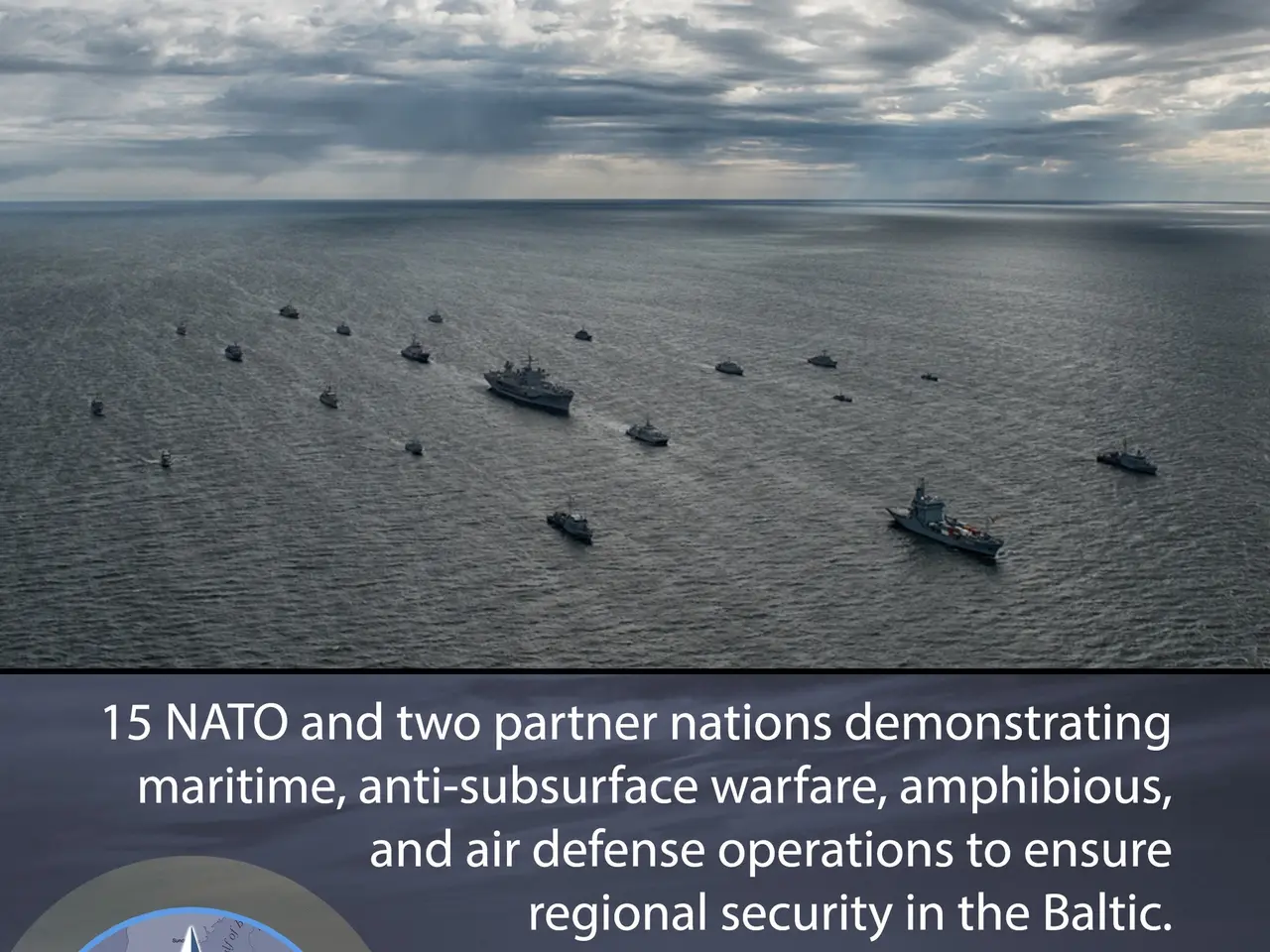
NATO forces are testing new technologies in Latvia during Exercise Crystal Arrow. The drills include drones and uncrewed ground vehicles (UGVs) to counter emerging threats. Meanwhile, recent drone incidents have already caused political fallout in the region. Private First-Class Janis, a Latvian soldier, is operating a UGV during the exercise. The vehicle can scout for obstacles and engage targets while remaining silent when stationary—unlike noisy aerial drones. The drills involve NATO troops and Latvia’s Mechanized Infantry Brigade simulating combat scenarios.
Earlier this year, two explosive drones launched from Ukraine were hijacked by Russia. They struck an oil storage facility in Latvia, triggering a crisis. The incident led to the resignation of Latvia’s Defence Minister and Prime Minister Evika Silina.
The exercise comes as NATO faces broader challenges. In 2020, then-US President Donald Trump withdrew 5,000 troops from Germany without redeploying them in Europe. Dr. Emma Salisbury, a senior fellow at the Foreign Policy Institute, warned that this move pushes allies to strengthen their own defences.
Ukraine has already shown how remote-controlled units can shift battles. Its forces used similar technology to push Russia back in Kharkiv. NATO’s current drills aim to build on these lessons and stay ahead of future threats. The exercise highlights NATO’s push to integrate advanced systems into warfare. Latvia’s political instability and the US troop withdrawal add pressure on allies to adapt. The drills will test how well these technologies perform in real-world scenarios.
Read also:
- American teenagers taking up farming roles previously filled by immigrants, a concept revisited from 1965's labor market shift.
- Weekly affairs in the German Federal Parliament (Bundestag)
- Landslide claims seven lives, injures six individuals while they work to restore a water channel in the northern region of Pakistan
- Escalating conflict in Sudan has prompted the United Nations to announce a critical gender crisis, highlighting the disproportionate impact of the ongoing violence on women and girls.