Savitribai Phule: The Trailblazer Who Defied Caste and Gender Norms
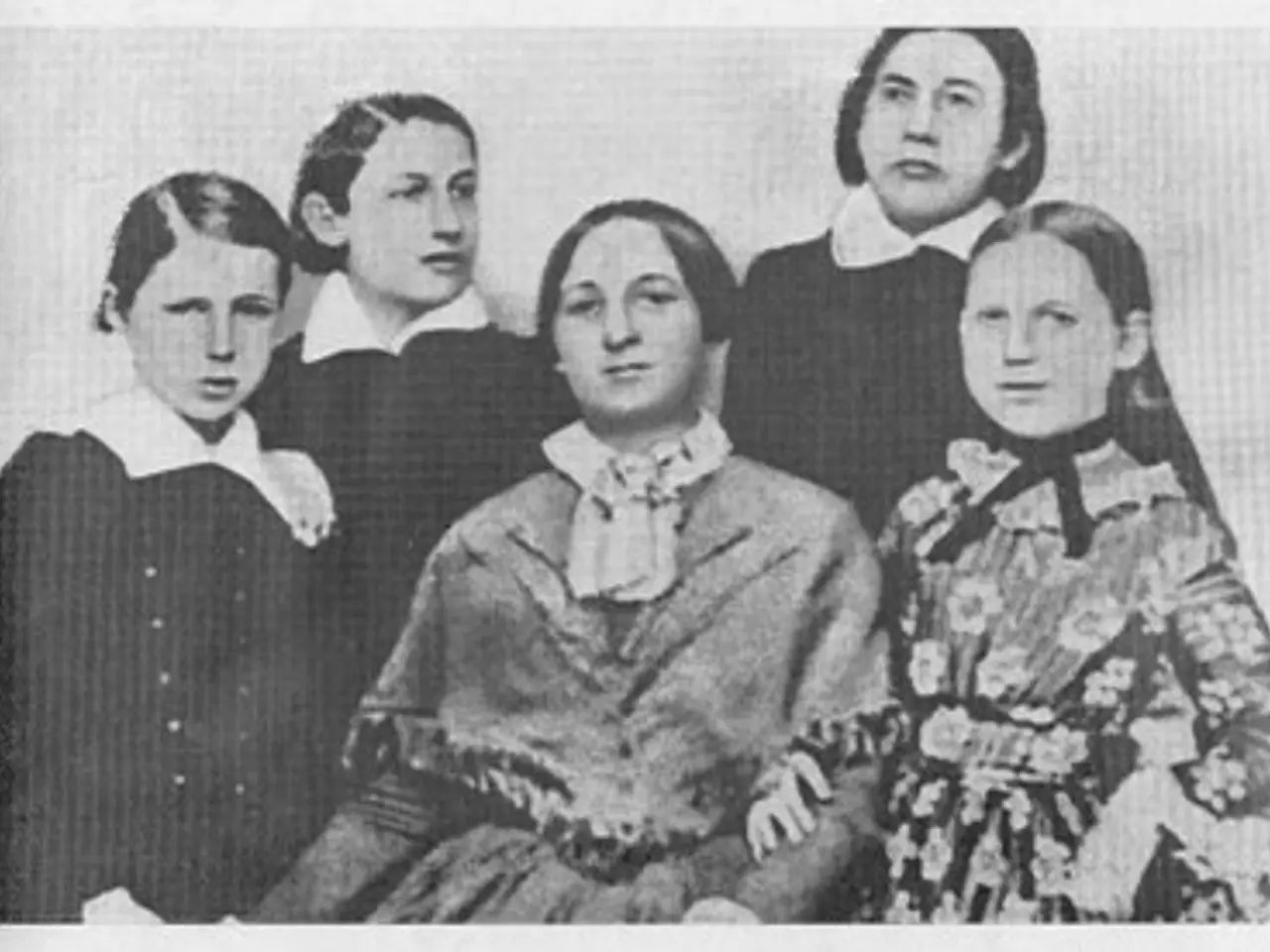
Savitribai Phule became India's first female teacher after learning to read and write with her husband's help. Born into a society that denied education to women, she later opened the country's first school for girls in 1848. Her work laid the foundation for women's rights and social reform in 19th-century India. Phule was married at just nine years old, a practice she would later fight against. Her husband, Jyotirao Phule, taught her to read and write, breaking social norms of the time. This education empowered her to challenge inequality and advocate for the rights of women and lower castes.
In 1848, she established India's first school for girls in Pune, Maharashtra. Together with her husband, she went on to open 18 schools for excluded children, focusing on girls and those from oppressed castes. These schools also provided healthcare to combat malnutrition—a concept the Indian government adopted nationwide 145 years later. Beyond education, Phule set up shelters for widows and survivors of sexual violence. She believed education could transform society by giving young women the tools to demand change. Her activism extended to opposing child marriage and caste discrimination, issues deeply rooted in Indian society. In 1897, while caring for plague patients, she contracted the bubonic plague herself. She died on March 10 of that year, leaving behind a legacy of reform and resilience.
Phule's work reshaped education and social justice in India, yet gender inequality persists today. Her schools and shelters provided opportunities for thousands of marginalised children and women. The healthcare initiatives she introduced were later adopted as national policy, proving the lasting impact of her vision.
Read also:
- American teenagers taking up farming roles previously filled by immigrants, a concept revisited from 1965's labor market shift.
- Weekly affairs in the German Federal Parliament (Bundestag)
- Landslide claims seven lives, injures six individuals while they work to restore a water channel in the northern region of Pakistan
- Escalating conflict in Sudan has prompted the United Nations to announce a critical gender crisis, highlighting the disproportionate impact of the ongoing violence on women and girls.