Switzerland's booming deer population sparks conflict with farmers and foresters
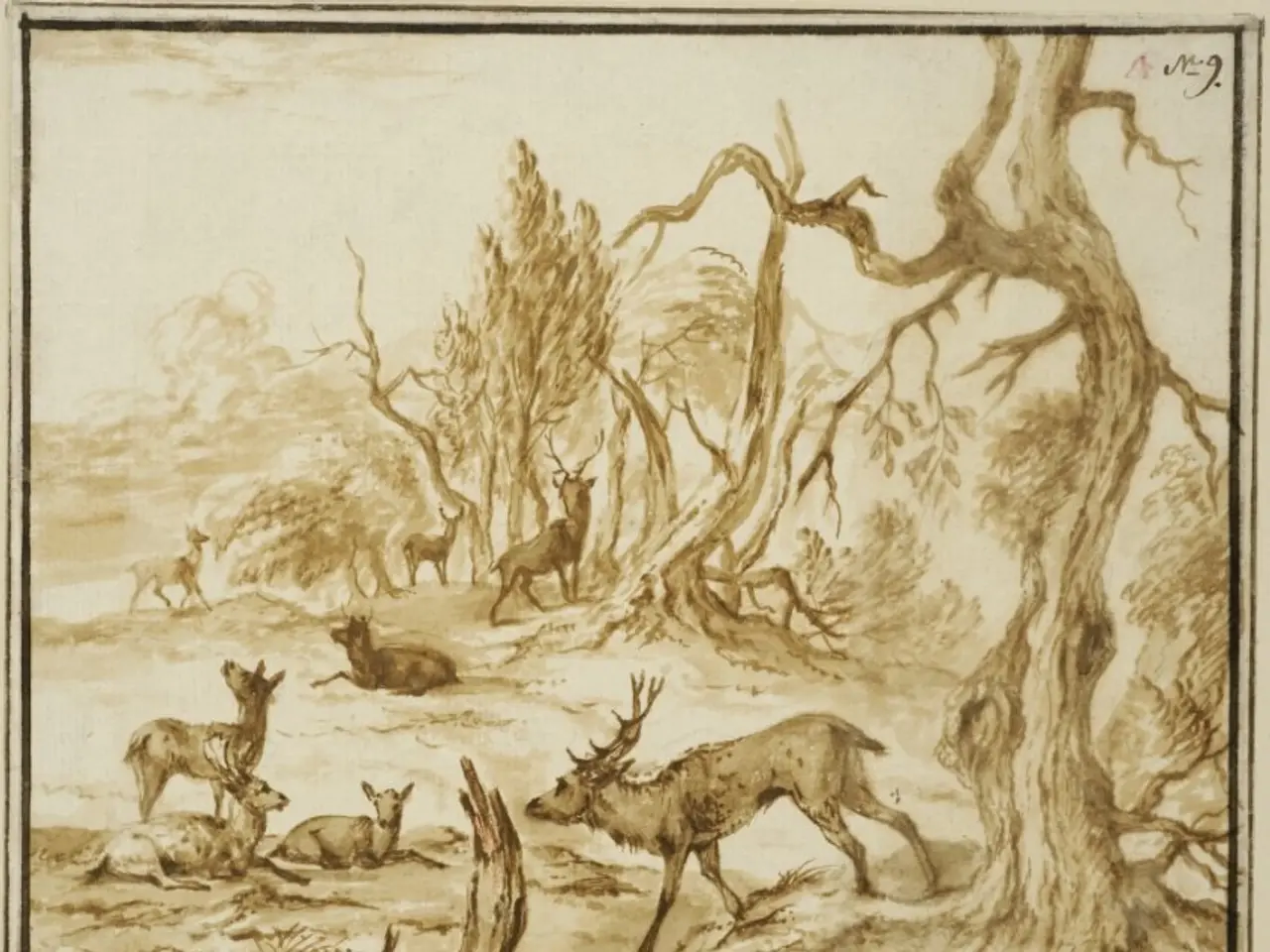
Switzerland’s deer population has grown significantly over the past two decades. Red deer numbers have climbed from roughly 26,000 in 2005 to nearly 39,400 in 2024. Roe deer have also seen a rise, increasing from 126,000 to 140,200 in the same period. But the expanding herds are now causing more harm to forests and farmland across the country. The highest concentrations of red deer are found in Grisons, where around 14,200 animals live. Ticino follows with 7,200, while Valais, Bern, and St. Gallen host 5,300, 3,000, and 2,300 respectively. In St. Gallen and Valais, large groups of red deer have damaged crops, adding to the financial strain on local farmers. In Grisons alone, agricultural losses from red deer exceeded CHF 51,000 in 2024.
Forests are also suffering as deer feed on young saplings and strip bark from trees. This browsing, fraying, and gnawing weakens woodland regeneration and complicates efforts to adapt forests for climate change. Forestry operations in Grisons spent over CHF 1.4 million in 2024 on protective measures—a 12% rise compared to the ten-year average. The growing deer population has reignited debates over hunting. Some argue for increased culling to limit damage to agriculture and forests. Others stress the animals’ ecological importance and oppose widespread hunting.
The rise in deer numbers has led to higher costs for farmers and foresters. Preventative measures and compensation claims are increasing as damage spreads. With no simple solution in sight, the conflict between wildlife conservation and economic protection is likely to continue.
Read also:
- Federal Funding Supports Increase in Family Medicine Residency Program, Focusing on Rural Health Developments
- Potential Role of DHA in Shielding the Brain from Saturated Fats?
- Alternative Gentle Retinoid: Exploring Bakuchiol Salicylate for Sensitive Skin
- Hanoi initiates a trial program for rabies control, along with efforts to facilitate the transition from the dog and cat meat trade industry.