U.S. national debt soars to $38.9 trillion as interest costs hit $1.2 trillion annually
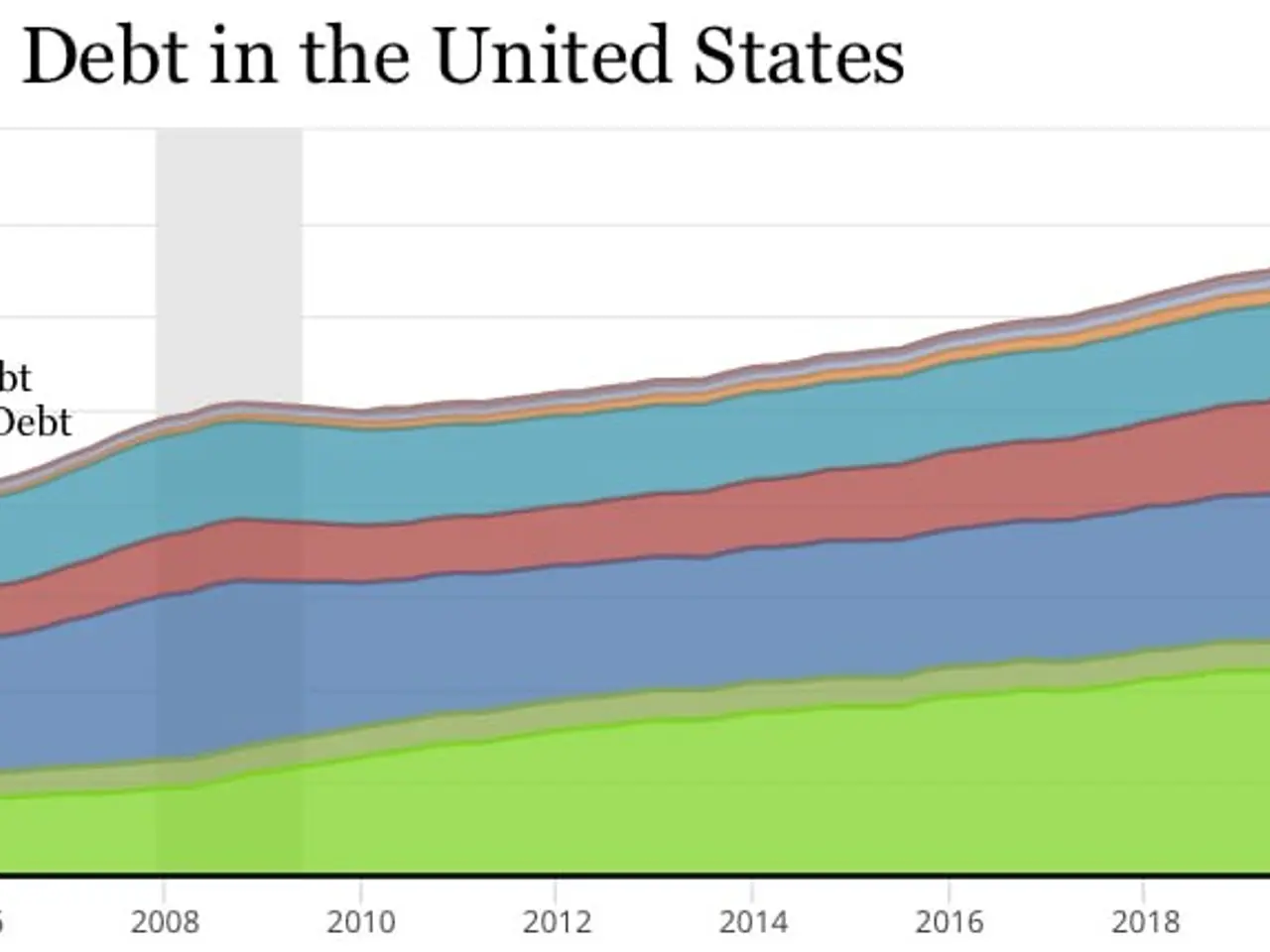
The U.S. national debt has climbed to a record $38.9 trillion, up from $23.2 trillion before the COVID-19 pandemic. With annual interest payments now hitting $1.2 trillion, concerns over the country’s financial stability are growing among investors and analysts alike. Before 2008, the national debt stood at $9 trillion. It then more than doubled by 2020, reaching $23.2 trillion before the pandemic. Since then, borrowing has surged further, pushing the total to $38.9 trillion today.
Jeffrey Gundlach, whose firm DoubleLine Capital oversees nearly $100 billion in assets, has repeatedly warned about the risks of escalating debt. He now suggests the U.S. could face a reckoning if interest costs spiral out of control. In a worst-case scenario, Gundlach envisions the government restructuring its obligations—far beyond the brief technical defaults seen during past shutdowns. To prepare for such an extreme outcome, Gundlach has adjusted some of his funds. He swapped higher-yielding Treasuries for the lowest-yielding securities of the same maturity. The move aims to protect against a potential unilateral cut to coupon payments by the government. Gundlach even described a situation where officials might declare: *'Our interest costs are now $3 trillion. We’ve had a recession. Rates have gone up. We’re issuing 30-year bonds at 6%. We can’t afford this. We’re going under.'* A restructuring of U.S. debt would have severe consequences. Markets worldwide would face disruption, given the central role of Treasury bonds in global finance.
The U.S. debt burden continues to grow, with annual interest payments reaching unprecedented levels. Gundlach’s warnings highlight the potential for drastic measures if borrowing costs become unsustainable. Any restructuring would reshape financial markets and impact economies far beyond American borders.
Read also:
- American teenagers taking up farming roles previously filled by immigrants, a concept revisited from 1965's labor market shift.
- Weekly affairs in the German Federal Parliament (Bundestag)
- Landslide claims seven lives, injures six individuals while they work to restore a water channel in the northern region of Pakistan
- Escalating conflict in Sudan has prompted the United Nations to announce a critical gender crisis, highlighting the disproportionate impact of the ongoing violence on women and girls.