UK and EU seek closer ties a decade after Brexit referendum
Ten years after the Brexit referendum, calls for closer ties between Britain and the EU have grown louder. Leaders from both sides met this week to discuss security, economic cooperation, and defending democratic values.
The push for stronger collaboration comes as tensions rise globally, with officials stressing the need for a united front against aggression. EU chief Ursula von der Leyen urged deeper cooperation between Europe and Britain. She highlighted shared challenges in security, trade, and upholding democratic principles. British Prime Minister Keir Starmer quickly backed her call, signalling a shift in tone from previous years.
Starmer went further, demanding a shared industrial base across Europe to boost defence production. He warned that the continent must build 'hard power'—ready to deter threats and fight if needed. His remarks aligned with French President Emmanuel Macron’s vision of a stronger Europe shaping its own security framework.
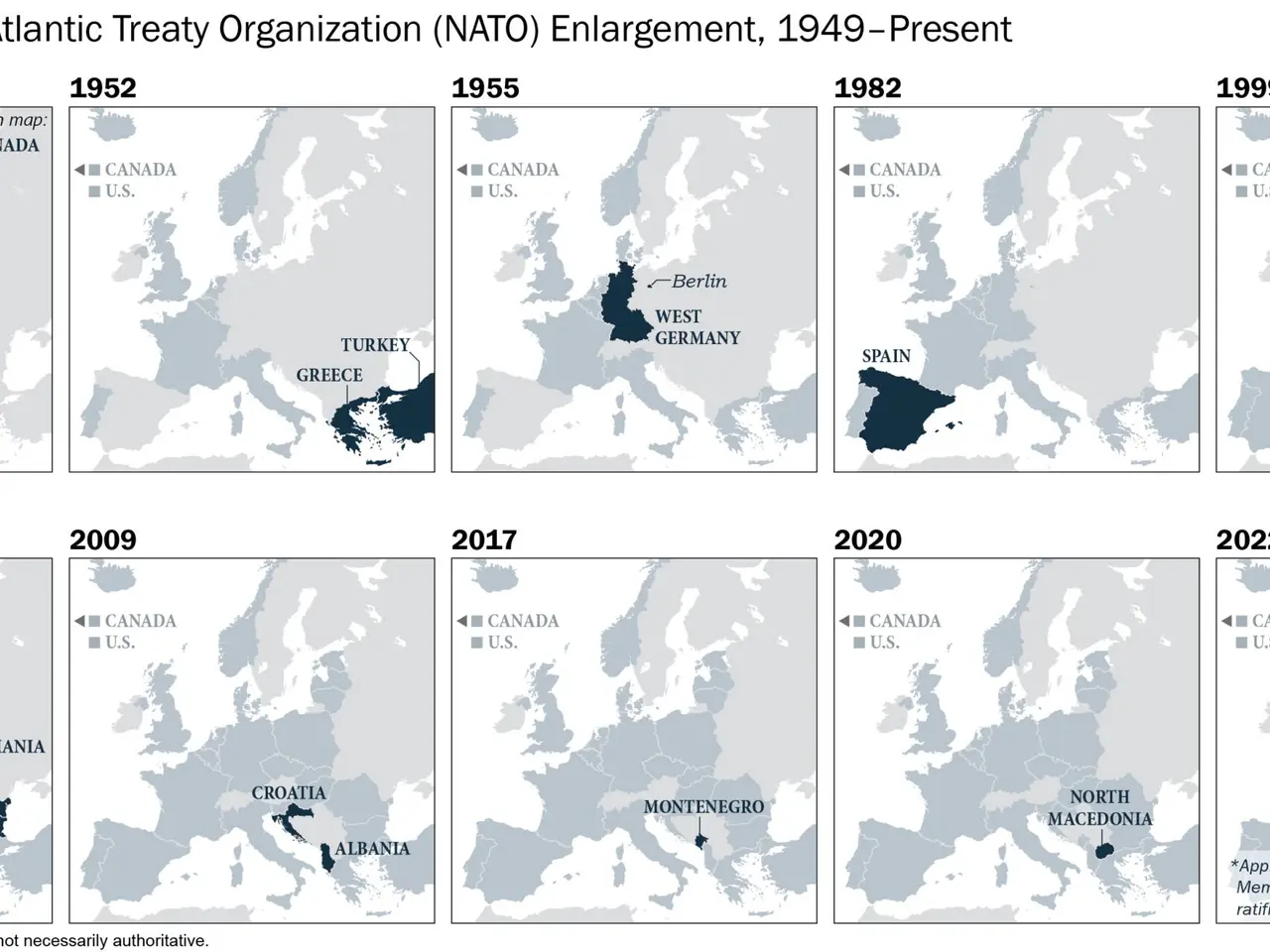
NATO Secretary-General Mark Rutte weighed in, arguing that a robust Europe within a strong NATO reinforces the transatlantic partnership. The comments reflect growing concerns over geopolitical instability, with leaders emphasising unity over division.
The discussions mark a notable change in rhetoric, as both sides acknowledge the need for closer alignment despite Brexit. Defence, economic resilience, and democratic defence topped the agenda, with concrete proposals expected in the coming months. The meetings signal a potential thaw in post-Brexit relations, with defence and security at the forefront. Starmer’s push for a joint industrial strategy and von der Leyen’s cooperation call suggest practical steps may follow.
How these plans unfold will depend on negotiations, but the tone has shifted toward partnership rather than division.
Read also:
- American teenagers taking up farming roles previously filled by immigrants, a concept revisited from 1965's labor market shift.
- Weekly affairs in the German Federal Parliament (Bundestag)
- Landslide claims seven lives, injures six individuals while they work to restore a water channel in the northern region of Pakistan
- Escalating conflict in Sudan has prompted the United Nations to announce a critical gender crisis, highlighting the disproportionate impact of the ongoing violence on women and girls.