UK Lords probe post-Brexit 'dynamic alignment' with EU in new inquiry
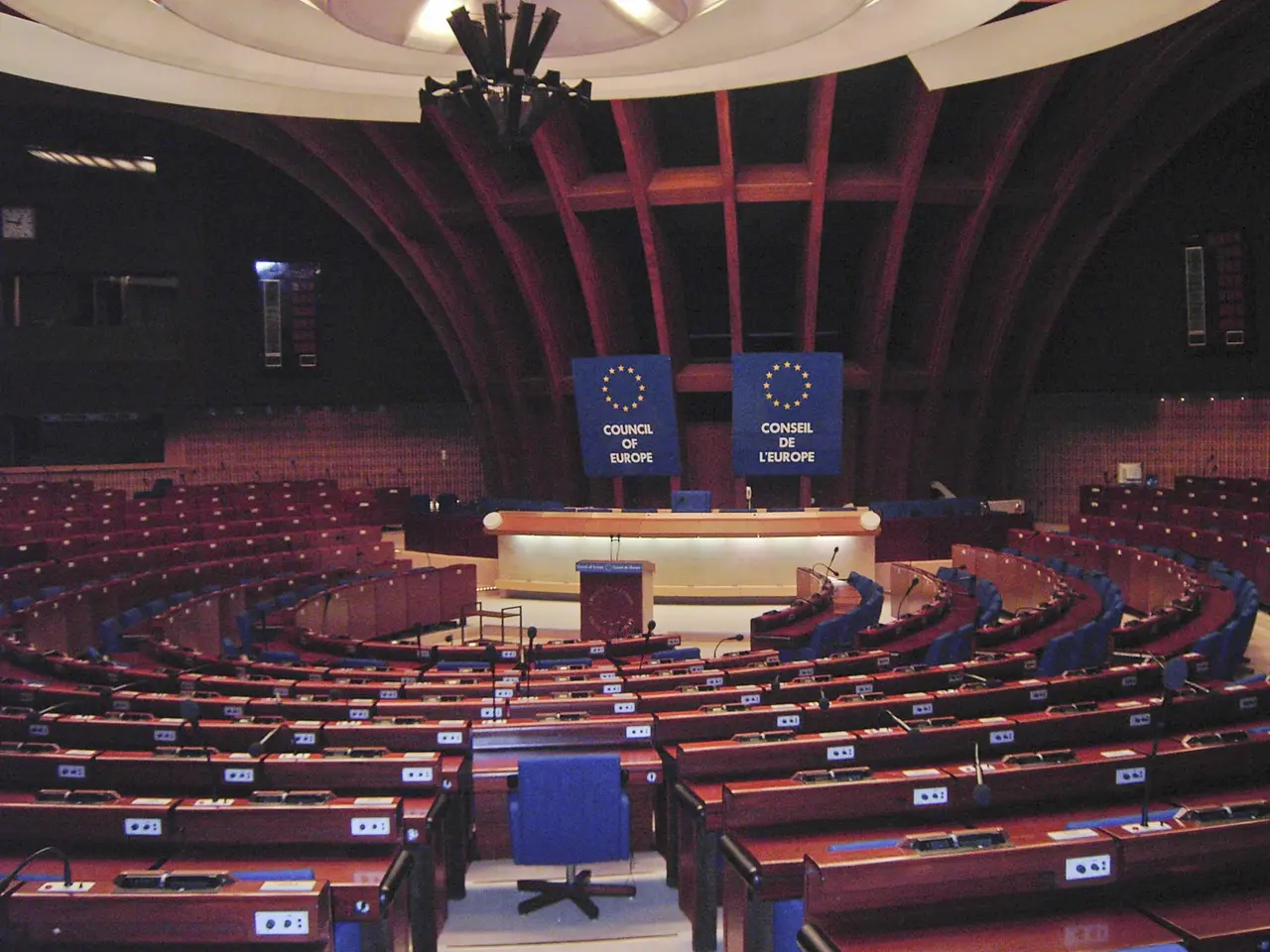
The House of Lords European Affairs Committee has launched an inquiry into the UK Government’s proposed 'reset' of relations with the European Union. The move comes as political debate over the country’s post-Brexit ties with the EU continues. At the centre of the inquiry is the concept of dynamic alignment—a system for the UK to keep in step with certain EU laws in future agreements. The committee opened submissions for evidence, setting a deadline of 20 April 2026. Public evidence sessions are planned to begin in March. However, the submission form includes a note stating that it is not currently public and should only be used by those invited by the committee. Critics have raised concerns that this wording may leave potential contributors unsure about whether they are eligible to provide input.
The inquiry will explore how dynamic alignment functions in other non-EU countries. It will also assess the UK’s influence over EU rule-making and examine the economic effects of proposed agreements. All accepted evidence will typically be published online and may feature in the committee’s final report. Unlike some parliamentary investigations, this inquiry is designed to inform debate rather than push for specific policy changes. The committee has emphasised its intention to gather a broad range of perspectives as part of the process.
The findings of the inquiry will contribute to ongoing discussions about the UK’s future relationship with the EU. Submissions and evidence sessions will shape the committee’s report, which may influence parliamentary debate. The final report is expected to reflect a variety of viewpoints on dynamic alignment and its potential impact.
Read also:
- American teenagers taking up farming roles previously filled by immigrants, a concept revisited from 1965's labor market shift.
- Weekly affairs in the German Federal Parliament (Bundestag)
- Landslide claims seven lives, injures six individuals while they work to restore a water channel in the northern region of Pakistan
- Escalating conflict in Sudan has prompted the United Nations to announce a critical gender crisis, highlighting the disproportionate impact of the ongoing violence on women and girls.