UK's financial tightrope: High savings and borrowing costs test new government
The UK’s financial position is under growing scrutiny as household savings rise and borrowing costs remain high. Investors are closely watching the new government’s economic plans, with concerns over long-term sustainability. Early election results have done little to ease market tensions around UK bonds. Household savings in Britain have climbed to 10% of disposable income, a sharp increase from 6.5% before the pandemic. This rise reflects caution among consumers, even as the economy shows signs of recovery.
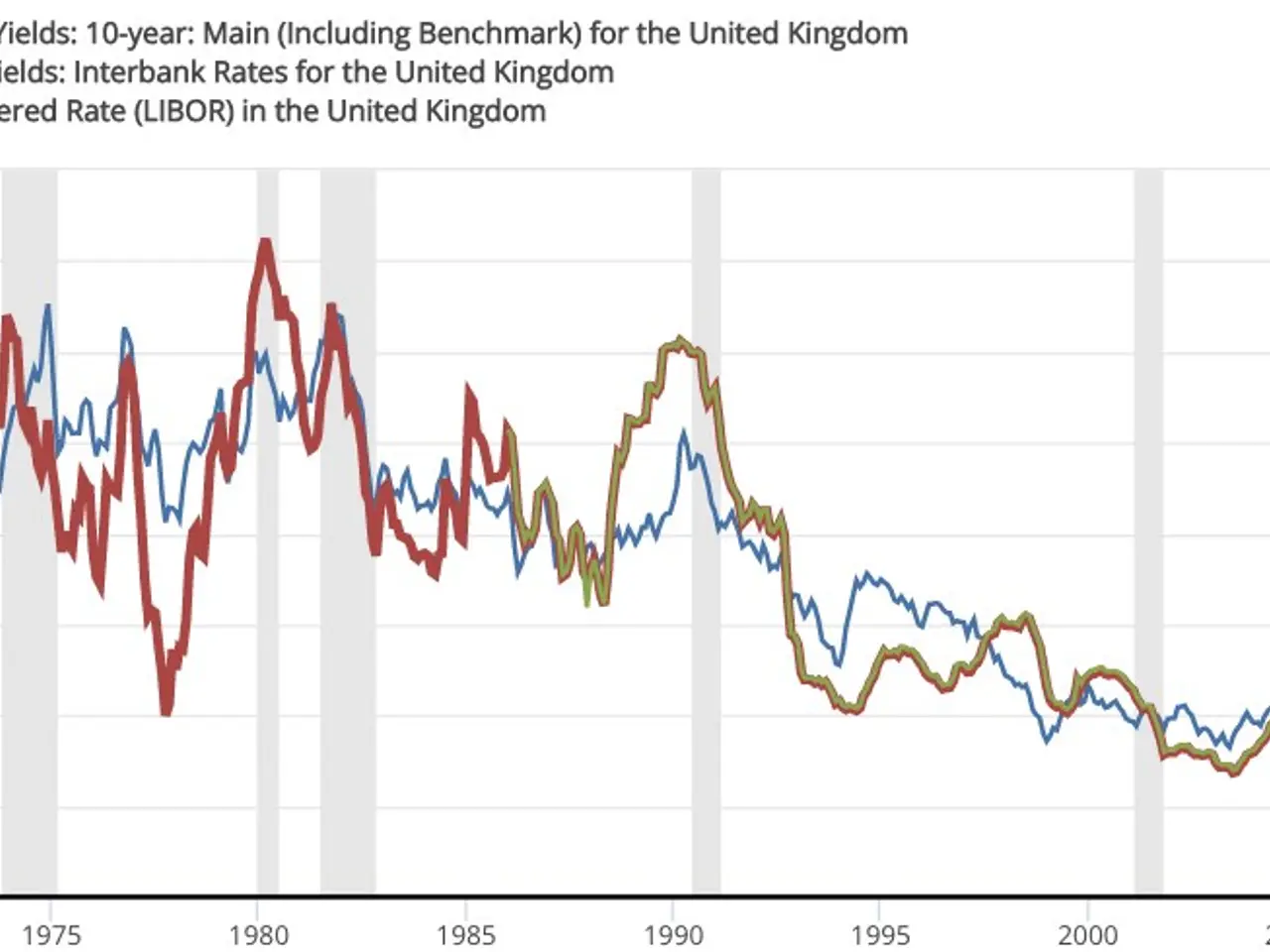
The UK now faces higher borrowing costs than any other G7 nation. Investors remain wary of the Starmer-and-Reeves team’s financial management, pushing up the premium on government debt. Bond market vigilantes—global investors who penalise governments for excessive borrowing and inflation—are keeping a close eye on the situation. Bookmakers’ odds on Sir Keir Starmer’s political survival improved on Friday, suggesting some market confidence in his leadership. Yet, warnings persist that unsustainable borrowing could lead to a sharp financial setback within the next few years. Andy Burnham’s remarks highlighted the government’s vulnerability, describing it as a 'prisoner' of the bond market. Historically, the UK has struggled with funding crises and progressive devaluations of the pound since the Second World War. A surge in gilt yields or a run on sterling could force the next Prime Minister and Chancellor into a funding crisis. Analysts caution that future Labour policies, if viewed poorly by markets, might deepen these financial pressures.
The UK’s economic path remains uncertain, with high savings rates and rising borrowing costs signalling caution. Investors continue to demand a premium on UK debt, leaving the government with limited room for manoeuvre. The next few years will be critical in determining whether financial stability can be restored.
Read also:
- American teenagers taking up farming roles previously filled by immigrants, a concept revisited from 1965's labor market shift.
- Weekly affairs in the German Federal Parliament (Bundestag)
- Landslide claims seven lives, injures six individuals while they work to restore a water channel in the northern region of Pakistan
- Escalating conflict in Sudan has prompted the United Nations to announce a critical gender crisis, highlighting the disproportionate impact of the ongoing violence on women and girls.