Vienna's Ring Road to get pedestrian and bike-friendly redesign by 2030
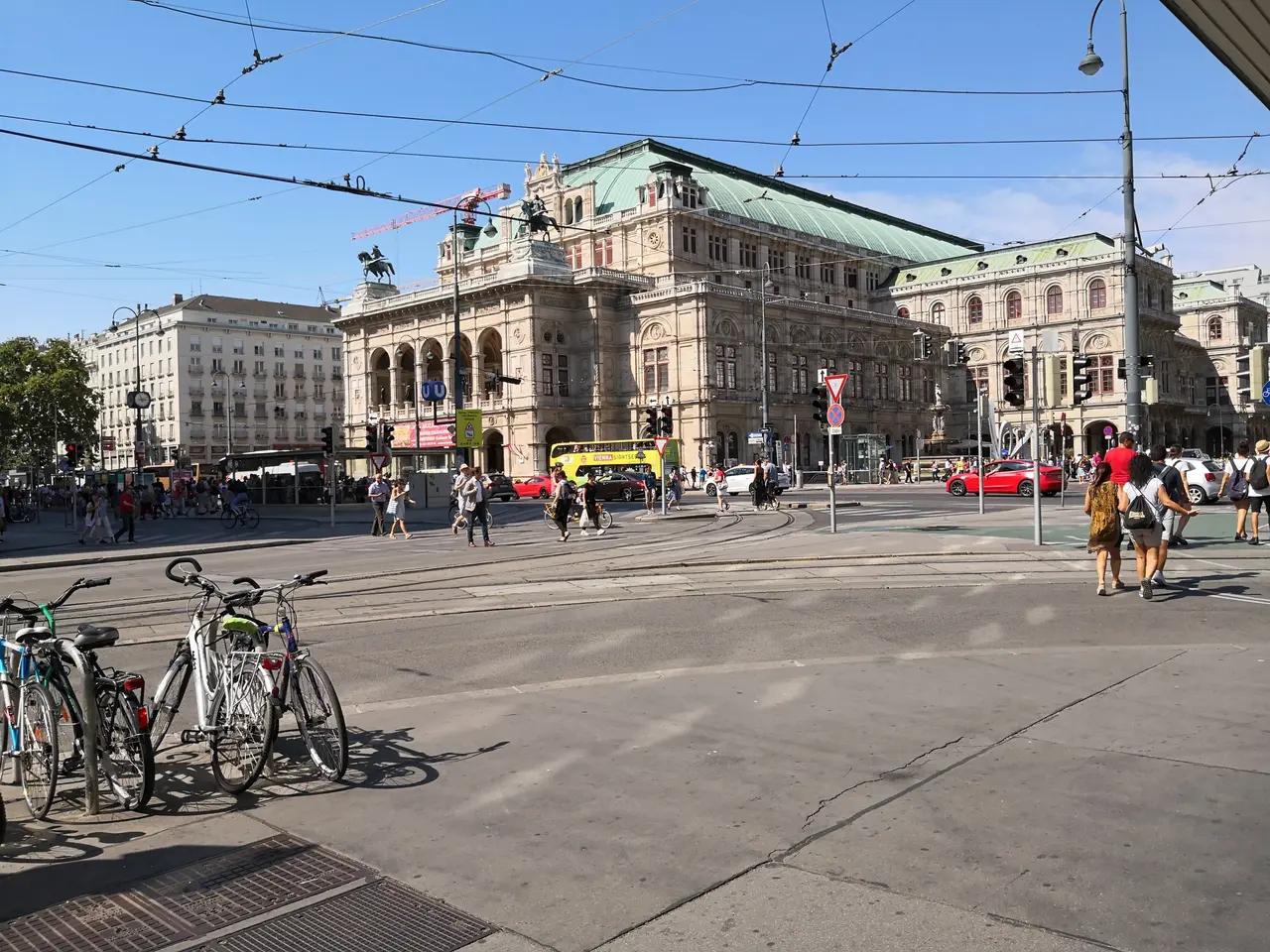
Vienna has unveiled plans to modernise its historic Ring Road by 2030. The redesign will focus on separating pedestrian and bicycle traffic, though the main road's lane count will stay the same. City officials and transport groups have already shared their views on the changes.
The project was presented jointly by Planning and Transport City Councillor Ulli Sima, NEOS club chairwoman Selma Arapovic, and Markus Figl, district chairman of Vienna's first district. Work will begin in autumn at Schottenring, with completion of this first phase expected by mid-2027. The cost for this section is estimated in the low single-digit millions.
After Schottenring, four more phases will follow, covering Universitätsring, Schubertring, Stubenring, and Parkring. Side roads along the route will be repurposed as bike paths, marked in a distinct sand-yellow colour. However, the number of lanes for vehicles on the main road will remain unchanged. The Austrian Traffic Club (VCÖ) praised the plans, calling the Ring's bike path one of Vienna's busiest cycling routes. The Greens also supported the move but criticised the decision not to modify the opposite sides of the Ring. No specific conflicts or challenges related to separating pedestrians and cyclists on the Ringstraße have been documented so far.
The redesign aims to improve safety and flow for cyclists and pedestrians by 2030. Work starts at Schottenring this autumn, with further phases rolling out in stages. The project's success will depend on balancing modern transport needs with the Ring's historic character.
Read also:
- American teenagers taking up farming roles previously filled by immigrants, a concept revisited from 1965's labor market shift.
- Weekly affairs in the German Federal Parliament (Bundestag)
- Landslide claims seven lives, injures six individuals while they work to restore a water channel in the northern region of Pakistan
- Escalating conflict in Sudan has prompted the United Nations to announce a critical gender crisis, highlighting the disproportionate impact of the ongoing violence on women and girls.