Alaska Governor Vetoes Bipartisan Election Reform Bill Ahead of Key Races
Alaska Gov. Mike Dunleavy rejected a sweeping election reform bill on Thursday. The legislation had aimed to overhaul voting processes, including ballot tracking and stricter ID requirements. Despite bipartisan backing, the governor cited operational and legal concerns in his veto. The bill sought to introduce several key changes to Alaska’s election system. Voters would have been able to track their ballots in real time. It also proposed expanding the types of acceptable voter identification and adjusting the timeline for absentee ballots. Additionally, the legislation included measures to update voter roll maintenance and establish a liaison role for rural communities.
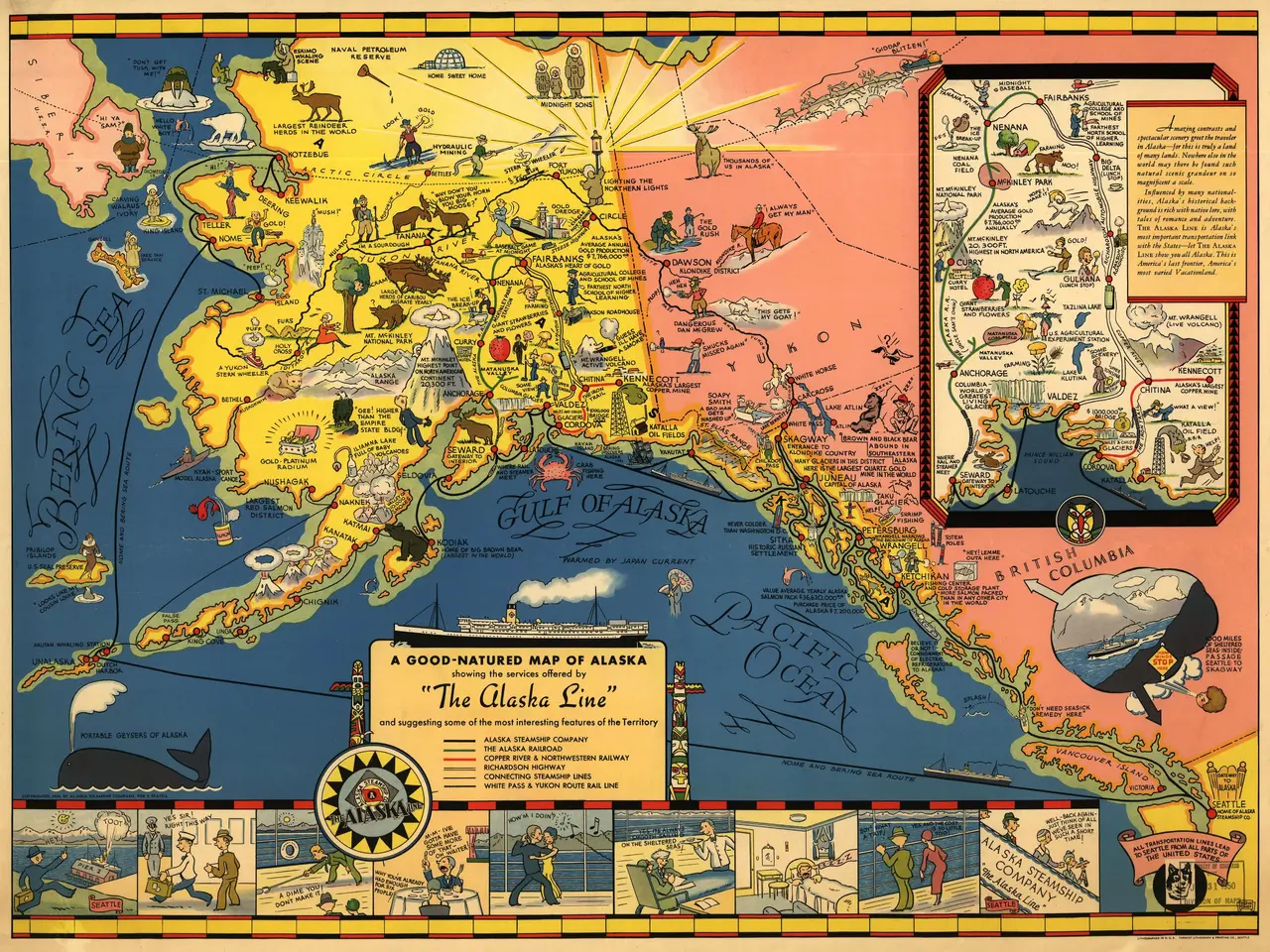
The proposal had gained support from both Democrats and Republicans in the state House and Senate. Senate Minority Leader Mike Cronk called it a solid foundation for improving elections across Alaska. However, the Division of Elections warned that rolling out these changes before the 2026 elections would be unfeasible. Dunleavy acknowledged some positive aspects of the bill but ultimately blocked it. He pointed to significant operational challenges and potential legal issues as the main reasons for his decision. The bill was sponsored by the Senate Rules Committee, whose chair has not yet commented on the veto. Alaska, the largest and least densely populated US state, is preparing for major elections this year. Voters will choose a governor, lieutenant governor, congressional representatives, and state legislators.
The veto leaves Alaska’s election procedures unchanged for now. The Division of Elections had already flagged difficulties in implementing the reforms by 2026. With key races approaching this year, the state will proceed under existing rules.
Read also:
- American teenagers taking up farming roles previously filled by immigrants, a concept revisited from 1965's labor market shift.
- Weekly affairs in the German Federal Parliament (Bundestag)
- Landslide claims seven lives, injures six individuals while they work to restore a water channel in the northern region of Pakistan
- Escalating conflict in Sudan has prompted the United Nations to announce a critical gender crisis, highlighting the disproportionate impact of the ongoing violence on women and girls.